Understanding the various types, key characteristics, and practical applications of dry sludge pneumatic conveying systems is crucial for industries dealing with wastewater treatment and solid waste management. This article provides an in-depth overview, focusing on the technical aspects and operational benefits of different dry sludge conveying solutions.
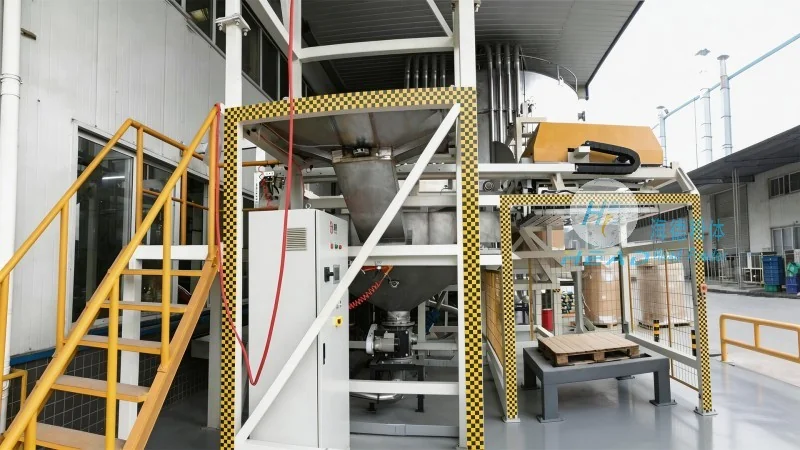
Introduction to Dry Sludge Pneumatic Conveying
Dry sludge pneumatic conveying is a method used to transport dry or semi-dry sludge from one location to another using air as the conveying medium. Unlike traditional wet sludge handling, this technology offers significant advantages in terms of efficiency, cost-effectiveness, and environmental compliance. The process involves the creation of a low-pressure or high-pressure air stream that transports the sludge particles through a pipeline system. The technology is widely adopted in municipal wastewater treatment plants, industrial facilities, and waste management operations where the need to handle sludge in a dry state is essential.
Key Types of Dry Sludge Pneumatic Conveying Systems
There are primarily two main categories of dry sludge pneumatic conveying systems: low-pressure and high-pressure systems. Each type has distinct characteristics and is suitable for different operational conditions and material properties.
1. Low-Pressure Pneumatic Conveying - This system operates at pressures typically ranging from 0.5 to 2 bar. It is suitable for short to medium-distance conveying of dry sludge with relatively low bulk density. The low-pressure system uses a fan or blower to generate the air flow, which is less energy-intensive compared to high-pressure systems. It is ideal for applications where the sludge is already in a relatively dry form and requires minimal drying before transport.
2. High-Pressure Pneumatic Conveying - High-pressure systems operate at pressures exceeding 2 bar, often up to 10 bar or more. These systems are designed for longer distances and higher material throughput. They are capable of handling more challenging sludge characteristics, including higher moisture content and larger particle sizes. High-pressure systems use positive displacement blowers or compressors, which provide a more consistent and powerful air stream, ensuring reliable transport even under demanding conditions.
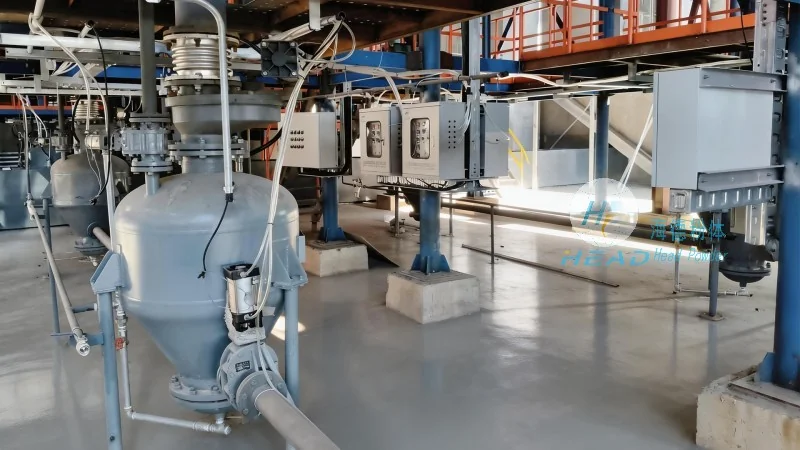
Core Features and Advantages of Dry Sludge Pneumatic Conveying
Several key features distinguish dry sludge pneumatic conveying systems from other transport methods. These features contribute to improved operational performance and cost savings.
1. Energy Efficiency - Compared to traditional trucking or truck-based sludge transport, pneumatic conveying systems are more energy-efficient, especially for long-distance and high-volume applications. The use of air as the conveying medium reduces the need for heavy machinery and fuel consumption, leading to lower operational costs over time.
2. Reduced Environmental Impact - By avoiding the use of water in the transport process, dry sludge pneumatic conveying minimizes the risk of water contamination and reduces the overall environmental footprint. This is particularly important in regions with strict environmental regulations and limited water resources.
3. Improved Material Handling - The technology allows for the transport of dry sludge without the need for additional drying or conditioning steps. This eliminates the need for additional equipment and reduces the overall processing time, leading to higher throughput and operational efficiency.
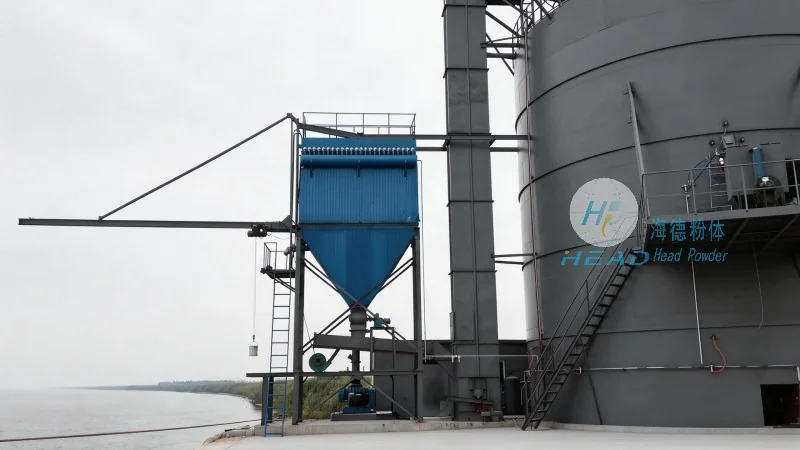
4. Versatility in Application - Dry sludge pneumatic conveying systems can be adapted to various sludge types and operational requirements. They can be integrated with existing wastewater treatment facilities or used as standalone transport solutions, providing flexibility in system design and implementation.
Applications and Use Cases of Dry Sludge Pneumatic Conveying
Dry sludge pneumatic conveying systems are widely used in a variety of applications across different industries. The primary use cases include:
1. Wastewater Treatment Plants - In municipal and industrial wastewater treatment facilities, dry sludge is often transported from the dewatering or thickening stages to storage or disposal sites. Pneumatic conveying systems are ideal for this purpose as they can handle the dry sludge efficiently and without the need for additional water.
2. Industrial Waste Management - Many industrial processes generate dry or semi-dry sludge as a byproduct. These sludge materials can be transported using pneumatic systems to central disposal or treatment facilities, ensuring proper handling and compliance with environmental regulations.
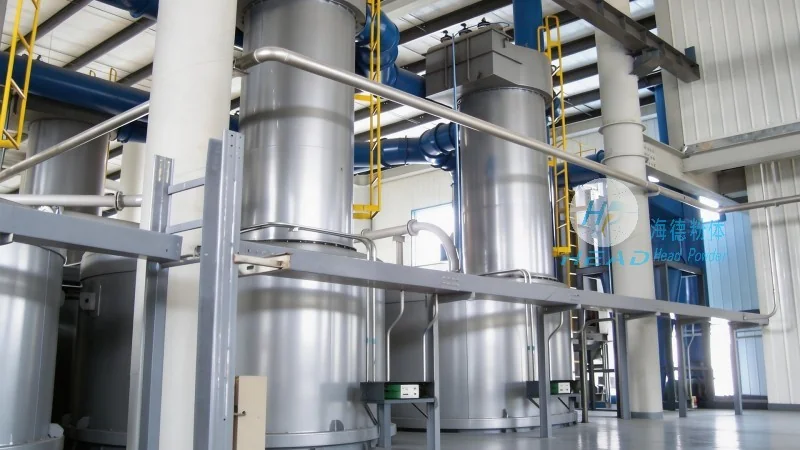
3. Agricultural and Land Application - In some cases, dry sludge is used as a fertilizer or soil amendment in agricultural settings. Pneumatic conveying allows for the transport of these materials from treatment facilities to farms or land application sites, providing a sustainable solution for waste utilization.
4. Energy Recovery and Incineration - Dry sludge can be used as a fuel source in incineration plants or for energy recovery. Pneumatic conveying systems are used to transport the dry sludge to the incineration units, ensuring a consistent and reliable fuel supply.
Conclusion and Company Overview
Dry sludge pneumatic conveying is a highly effective and efficient technology for handling dry sludge in various industrial and municipal applications. The different types of systems, along with their distinct features and advantages, make them suitable for a wide range of operational conditions. As the demand for sustainable and cost-effective waste management solutions increases, the adoption of dry sludge pneumatic conveying systems is expected to grow.
Shandong HeadPowder Engineering Co., Ltd., a leading provider in this field, specializes in the design, manufacturing, and installation of advanced dry sludge pneumatic conveying systems. With a focus on innovation and customer satisfaction, the company offers tailored solutions that meet the specific needs of its clients. HeadPowder's expertise in the industry ensures that clients receive high-quality equipment and reliable support throughout the entire project lifecycle. Based in Shandong, China, the company leverages its local presence and technical capabilities to deliver cutting-edge solutions for dry sludge transport and management.




