

Principles and Application Scenarios of Pneumatic Conveying for Cotton Seed Powders
Pneumatic conveying is a widely used technique for transporting bulk materials, including powders, granules, and fine particles, through a pipeline using a gas stream. The core principle involves creating a pressure differential or using a vacuum to move the material from the source to the destination. For cotton seed powders, this method leverages the material's physical properties, such as its density, particle size distribution, and moisture content, to optimize the conveying process. The system typically consists of a hopper, a conveyor line, and a receiver, with the gas (usually air) providing the necessary force to transport the material. The design of the system must account for factors like the material's flowability, potential for agglomeration, and the required conveying distance, ensuring efficient and reliable operation.
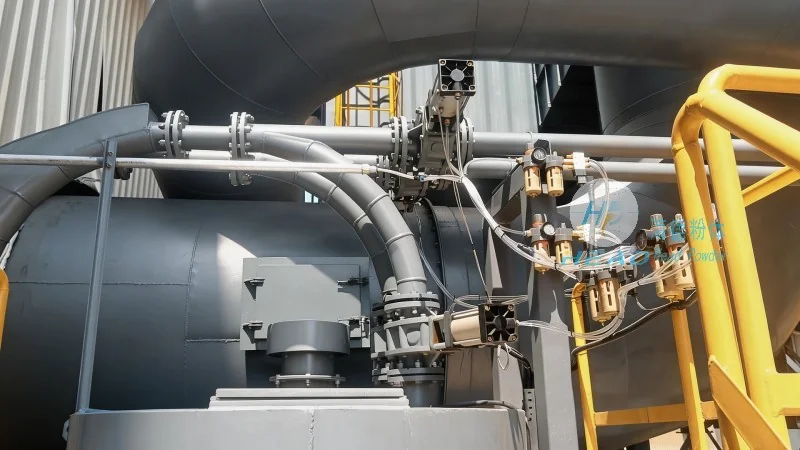
Key Characteristics of Cotton Seed Powders in Pneumatic Conveying
Cotton seed powders are a specific type of bulk material with distinct characteristics that influence pneumatic conveying performance. These powders often have a relatively fine particle size, ranging from a few microns to several millimeters, and a density that can vary depending on the processing method. The material may also contain moisture, which can affect its flowability and the risk of caking or blockage in the pipeline. Additionally, cotton seed powders can be prone to static electricity, which may require anti-static measures to prevent material buildup and ensure smooth operation. Understanding these characteristics is crucial for designing an effective pneumatic conveying system that minimizes energy consumption, reduces wear on equipment, and maintains product quality throughout the process.
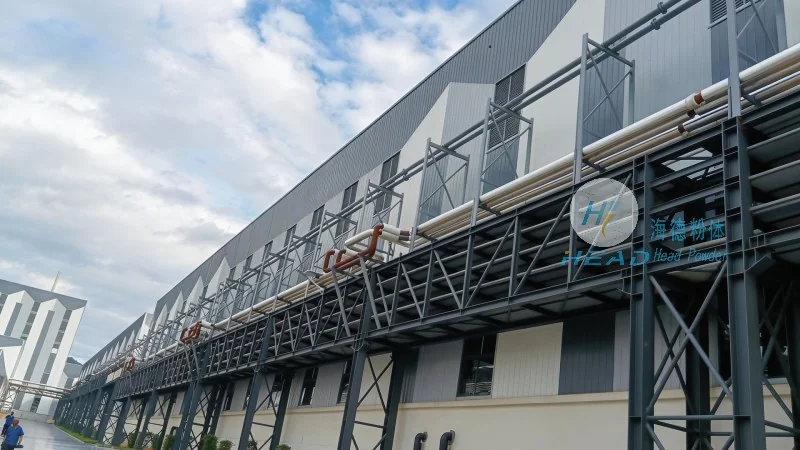
Application Scenarios and Work Environment Features
The application scenarios for pneumatic conveying of cotton seed powders span various industries, primarily in agricultural processing and food manufacturing. In cotton processing facilities, the system is used to transport raw cotton seeds from storage silos to processing lines, such as oil extraction or seed cleaning. The work environment in these settings is characterized by high material volumes, often requiring high-capacity conveying systems to handle large batches efficiently. Additionally, the systems must be designed to withstand the abrasive nature of cotton seed powders, which can cause wear on pipeline components and require regular maintenance to ensure longevity. In feed manufacturing, cotton seed powders are used as an ingredient in animal feed, and the pneumatic conveying system must maintain the material's quality by preventing contamination and ensuring consistent flow rates. The work environment here may involve integration with other processing equipment, such as mixers and extruders, requiring the conveying system to be compatible with existing infrastructure and operational parameters.
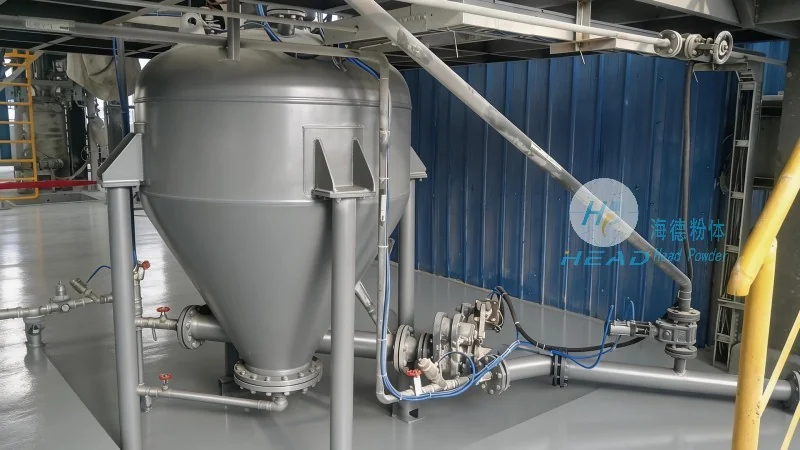
Company Overview: Shandong HeadPowder Engineering Co., Ltd.
Shandong HeadPowder Engineering Co., Ltd., a leading provider of pneumatic conveying solutions, specializes in designing and manufacturing systems tailored to the unique needs of cotton seed powder applications. With a focus on innovation and customer-centric solutions, the company has extensive experience in the agricultural and food processing sectors. HeadPowder's engineers work closely with clients to assess their specific requirements, including conveying distance, material flow rates, and environmental conditions, to develop customized systems that optimize performance and reduce operational costs. The company's facilities, located in Shandong, China, are equipped with advanced technology and quality control measures to ensure that every system meets the highest standards of reliability and efficiency. By leveraging their expertise in material handling and pneumatic conveying, HeadPowder helps clients enhance productivity, improve product quality, and streamline their operations in the cotton seed processing industry.