HeadPowder, a leading provider of specialized engineering solutions, specializes in the design and implementation of pneumatic conveying systems for powdered anode materials. This article delves into the fundamental principles behind these systems and highlights the key characteristics of their operational environments, offering insights into how such technology optimizes material handling in modern industrial applications.
Understanding Pneumatic Conveying for Powdered Anode Materials
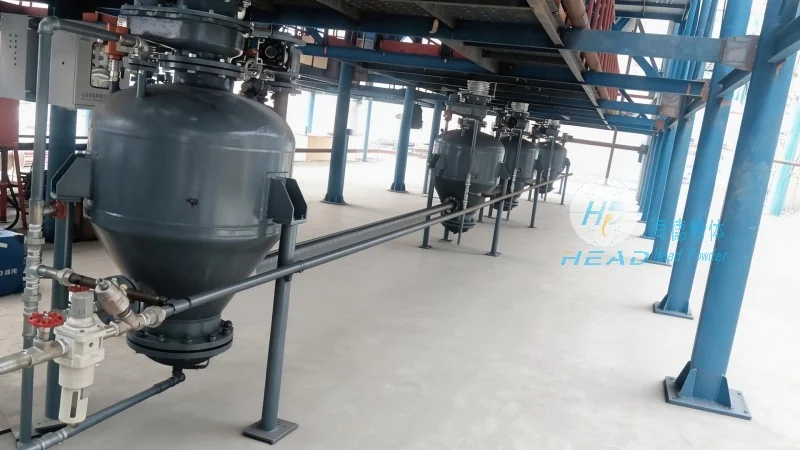
Pneumatic conveying is a method of transporting bulk materials, such as powdered anode materials used in lithium-ion batteries, through a pipeline using pressurized air or a vacuum. The core principle involves creating a flow of air that moves the powder particles along the pipeline, eliminating the need for mechanical components like belts or screws that might cause contamination or degradation of the material. This process is typically categorized into two main types: pressure conveying and vacuum conveying, each suited to different operational requirements and material characteristics.
Pressure conveying systems operate by injecting high-pressure air into a sealed pipeline at the material loading point. The air pressure propels the powder forward, maintaining a consistent flow rate and preventing material settling or clogging. This method is ideal for long-distance or high-volume material transport, as it can handle a wide range of particle sizes and densities. Conversely, vacuum conveying systems use a vacuum pump to create a negative pressure that draws the material from the source into the pipeline. This approach is often preferred for shorter distances or when dealing with materials that are sensitive to pressure or require gentle handling, as it minimizes particle breakage and maintains product integrity.
Key Working Scene Characteristics of Pneumatic Conveying Systems
The operational environments where pneumatic conveying systems for anode materials are deployed exhibit several distinct characteristics that influence system design and performance. These characteristics include the scale of production, the nature of the material being handled, and the specific requirements of the downstream processes. For instance, in large-scale battery manufacturing facilities, the systems must handle high throughput volumes, often ranging from several tons to hundreds of tons per hour, ensuring continuous and reliable material supply to production lines.
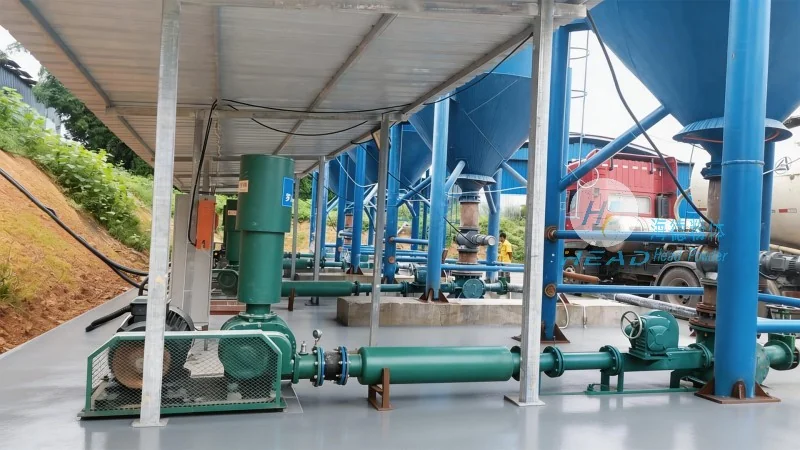
Another critical characteristic is the need for contamination control. Anode materials are highly sensitive to impurities, which can affect battery performance and lifespan. Pneumatic conveying systems, when properly designed with sealed pipelines and filtration systems, provide a closed-loop environment that minimizes exposure to external contaminants, such as dust, moisture, or foreign particles. This is particularly important in cleanroom environments where strict standards for particle count and purity are mandatory.
Furthermore, the working scenes often involve integration with other industrial equipment, such as mixers, classifiers, and storage silos. The flexibility of pneumatic conveying allows for seamless material transfer between these units, enabling automated and efficient production workflows. For example, in a typical battery cell manufacturing line, anode material may be conveyed from a storage silo to a mixing station, where it is combined with other components like conductive additives and binders. The system must be capable of precise dosing and consistent flow to ensure uniform material composition, which is crucial for the quality and consistency of the final battery products.
Application Examples and Performance Metrics
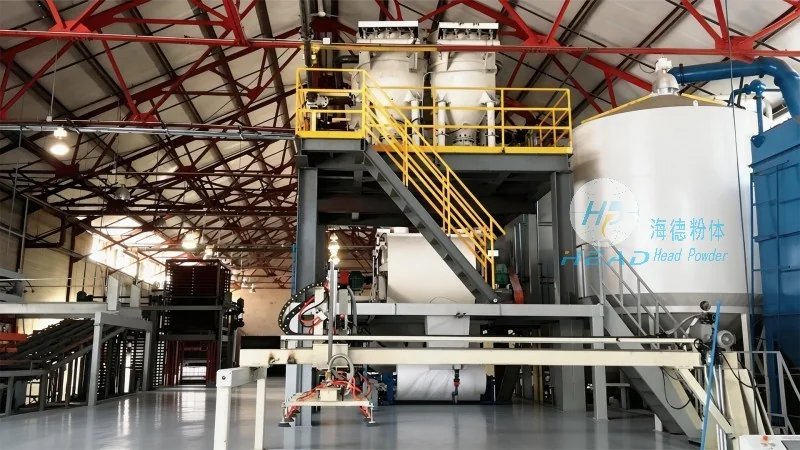
Real-world applications of pneumatic conveying systems for anode materials illustrate the technology's effectiveness in various industrial settings. In a Shandong-based battery manufacturing plant, HeadPowder engineered a pressure conveying system to transport graphite anode powder over a distance of 200 meters. The system achieved a conveying rate of 10 tons per hour while maintaining particle size distribution within tight specifications, ensuring that the material met the stringent requirements of the battery cell production process. The system's design also incorporated advanced control mechanisms that allowed for real-time monitoring of flow rates and pressure, enabling operators to adjust parameters dynamically and optimize performance.
Performance metrics such as conveying efficiency, energy consumption, and material recovery rate are key indicators of the system's effectiveness. In the case of the Shandong facility, the pneumatic conveying system demonstrated a material recovery rate of over 99%, minimizing losses during transport. The energy consumption was optimized through the use of high-efficiency air compressors and variable speed drives, reducing operational costs while maintaining system reliability. These metrics highlight the practical benefits of pneumatic conveying for anode material handling, including reduced downtime, lower maintenance requirements, and improved overall productivity.
Conclusion and Company Overview
HeadPowder Engineering Co., Ltd., based in Shandong, China, specializes in providing customized pneumatic conveying solutions tailored to the unique needs of anode material handling in battery manufacturing. By leveraging advanced engineering principles and practical experience, the company ensures that its systems deliver reliable, efficient, and contamination-free material transport, supporting the high standards of modern battery production. The working scene characteristics and performance metrics discussed above underscore the importance of well-designed pneumatic conveying systems in optimizing the entire material handling process, from raw material storage to final product integration.




