HeadPowder, a leading engineering firm based in Shandong, China, specializes in the design and implementation of advanced pneumatic conveying systems tailored for the handling of positive electrode materials in lithium-ion battery production. These systems are crucial for ensuring efficient, safe, and reliable material transport within high-tech manufacturing environments. The following sections provide a detailed overview of the key aspects involved in designing such systems, emphasizing the technical considerations and practical applications that define their effectiveness.
Key Design Considerations for Pneumatic Conveying Systems
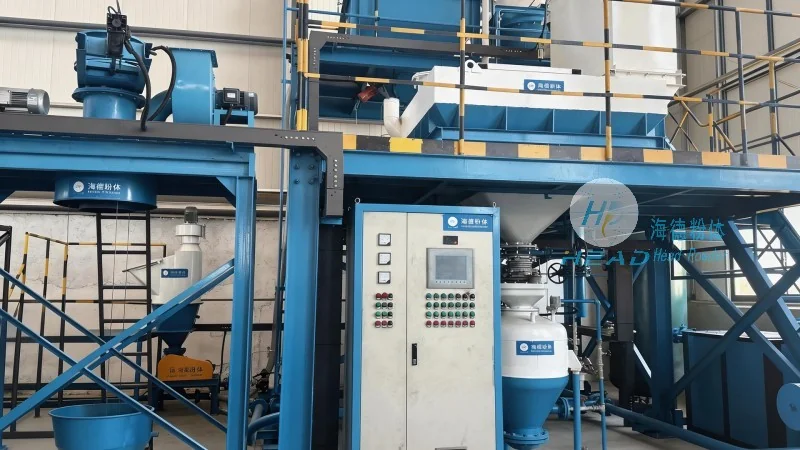
When designing a pneumatic conveying system for positive electrode materials, several critical factors must be addressed to optimize performance and meet industry standards. The first consideration is the material's physical properties, such as particle size, density, and moisture content. These characteristics directly influence the selection of conveying velocity, pressure, and system configuration. For example, fine powders like lithium cobalt oxide or lithium iron phosphate require gentle handling to prevent agglomeration and loss of material. The system design must incorporate features like air filtration, moisture control, and material recovery mechanisms to maintain product quality and reduce waste.
Another essential aspect is the system's pressure and flow rate requirements. Positive electrode materials are typically transported under positive pressure or negative pressure, depending on the application. Positive pressure systems are common for long-distance transport, while negative pressure systems are preferred for handling dusty or hazardous materials. The choice of pressure type impacts the system's energy consumption, equipment cost, and operational safety. Engineers at Shandong HeadPowder Engineering Co., Ltd. conduct thorough material analysis and process simulations to determine the optimal pressure and flow parameters, ensuring that the system operates within safe and efficient limits.
Components and Technologies in Pneumatic Conveying Systems
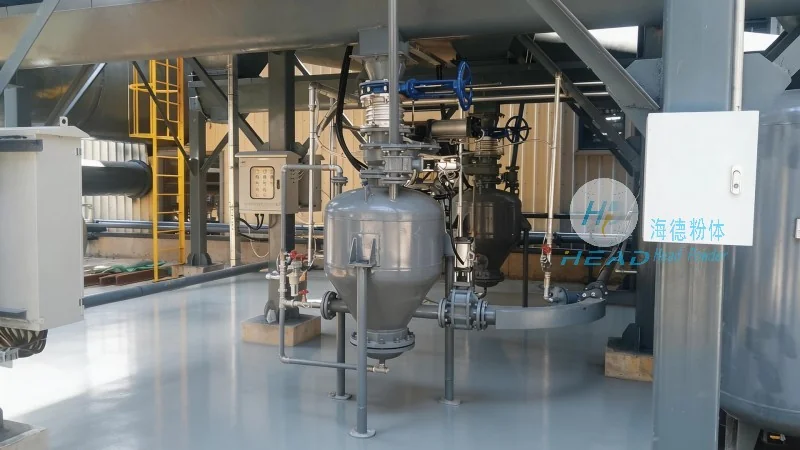
The pneumatic conveying system for positive electrode materials consists of several interconnected components, each playing a vital role in the material transport process. The primary components include the hopper, feeder, air compressor, conveying line, and receiver. The hopper serves as the storage vessel, providing a controlled environment for material feeding. The feeder, often a rotary valve or screw feeder, regulates the material flow rate to match the conveying requirements. The air compressor generates the necessary pressure to move the material through the conveying line, which may be made of stainless steel or other corrosion-resistant materials to handle the chemical properties of the electrode powders.
Advanced technologies, such as pulse-jet or dilute-phase conveying, are commonly employed to enhance system performance. Pulse-jet systems use intermittent air pulses to maintain material suspension, reducing the risk of blockages and improving flow consistency. Dilute-phase systems, on the other hand, operate at higher velocities, allowing for longer transport distances without significant pressure drop. The receiver, typically a dust collector or storage bin, collects the conveyed material and prepares it for subsequent processing steps. Each component is carefully selected and integrated to ensure seamless operation and minimal downtime.
Safety and Environmental Considerations
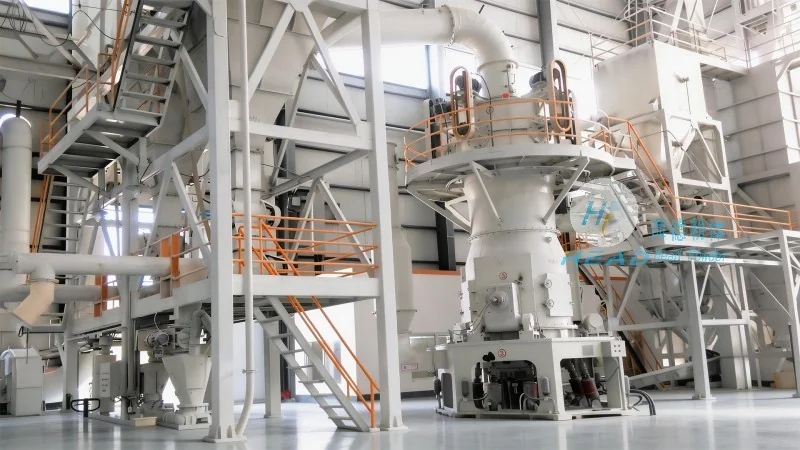
Handling positive electrode materials requires strict adherence to safety and environmental regulations. Pneumatic conveying systems must incorporate features to prevent dust explosions, such as explosion-proof air compressors and flame arrestors. The system design also includes dust collection and filtration systems to minimize air pollution and comply with local environmental standards. HeadPowder's engineers prioritize safety by conducting risk assessments and implementing protective measures, including emergency shut-off valves and pressure relief devices. These measures ensure that the system operates safely in industrial settings, protecting both personnel and equipment from potential hazards.
Environmental considerations are equally important. The system's energy efficiency is optimized through the use of high-efficiency air compressors and variable speed drives, reducing operational costs and carbon footprint. Additionally, material recovery systems are integrated to minimize waste and maximize resource utilization. By incorporating these features, the pneumatic conveying system not only enhances operational safety but also contributes to sustainable manufacturing practices.
Application and Performance Metrics
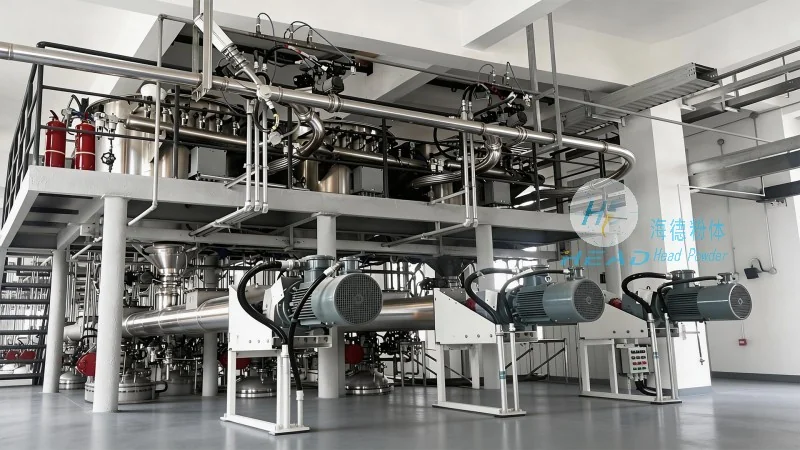
The effectiveness of a pneumatic conveying system for positive electrode materials is evaluated based on several performance metrics, including conveying capacity, pressure drop, and material recovery rate. Conveying capacity refers to the amount of material transported per unit time, which is critical for meeting production demands. Pressure drop measures the reduction in air pressure as material travels through the system, indicating the system's efficiency and potential for blockages. A well-designed system maintains low pressure drop, ensuring consistent flow and reducing energy consumption. Material recovery rate, or the percentage of material successfully conveyed to the receiver, is another key metric, as losses can impact product yield and quality.
Shandong HeadPowder Engineering Co., Ltd. utilizes advanced monitoring and control systems to optimize performance and track these metrics in real-time. Sensors and data loggers are installed throughout the system to provide continuous feedback on pressure, flow rate, and material levels. This data is analyzed to identify areas for improvement and to ensure that the system operates at peak efficiency. By leveraging these technologies, the company ensures that its pneumatic conveying systems deliver reliable and high-performance results for clients in the battery manufacturing industry.




