HeadPowder, a leading engineering firm based in Shandong, China, specializes in the design and implementation of advanced material handling systems. This article focuses on the key design considerations for a desulfurization sodium bicarbonate pneumatic conveying system, highlighting the technical aspects and practical solutions that ensure efficient and reliable operation.
System Overview and Core Components
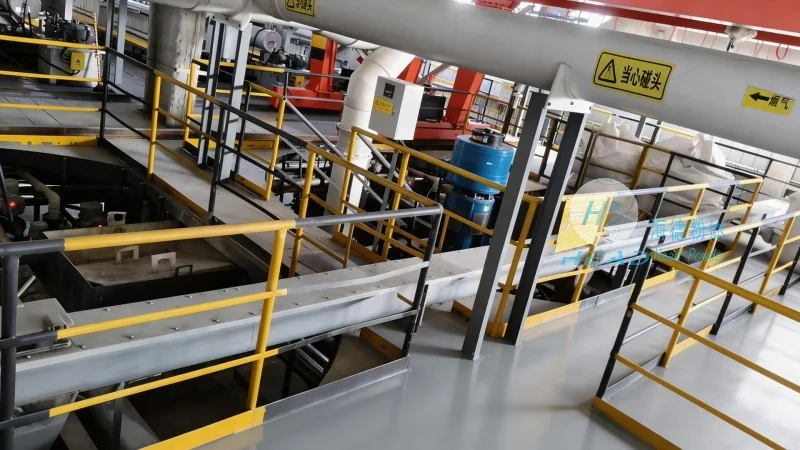
A desulfurization sodium bicarbonate pneumatic conveying system is engineered to transport sodium bicarbonate, a critical reagent in flue gas desulfurization processes, from storage to processing units. The system typically comprises several key components, including a storage silo, a feeding mechanism, a conveying pipeline, and a discharge unit. Each component is designed to work in harmony to achieve optimal material flow and minimize operational disruptions.
Design Considerations for Material Handling Efficiency
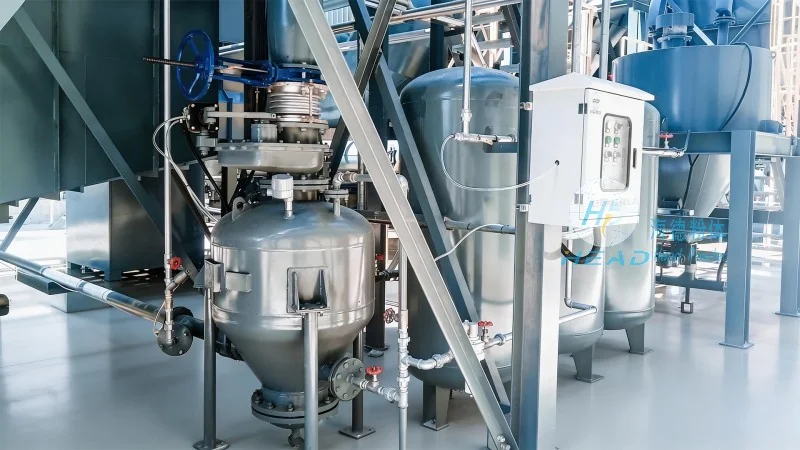
Efficient material handling is paramount in a desulfurization process, as the performance of the system directly impacts the overall effectiveness of the flue gas treatment. The design of the pneumatic conveying system must account for the physical properties of sodium bicarbonate, such as its particle size, density, and flowability. Proper selection of the conveying velocity and pipeline diameter is crucial to prevent blockages and ensure consistent material transport. Additionally, the system should incorporate features like airlocks and cyclones to maintain a stable flow and prevent dust emissions.
Engineering Solutions for System Reliability
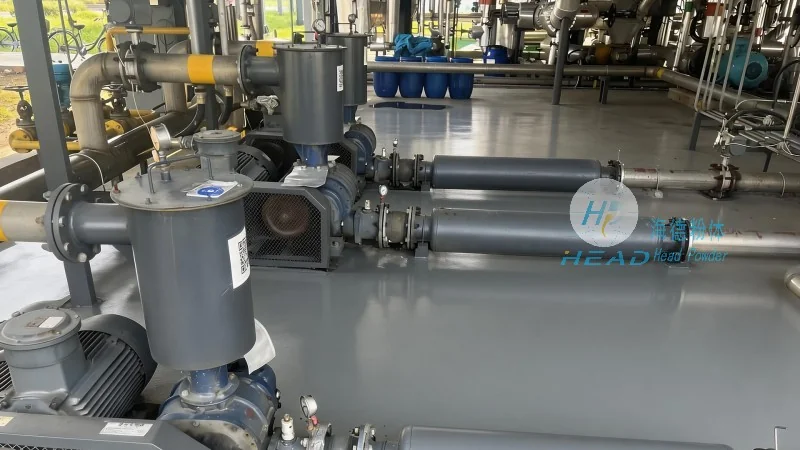
Reliability is a key factor in industrial applications, and the design of the pneumatic conveying system must prioritize durability and low maintenance. HeadPowder employs advanced engineering principles to ensure that the system can withstand the demands of continuous operation. This includes the use of high-quality materials for the pipeline and components, as well as the integration of monitoring systems to detect and address potential issues before they lead to system failures. The design also considers the environmental impact, with features that minimize energy consumption and reduce emissions.
Integration with Desulfurization Processes
The desulfurization sodium bicarbonate pneumatic conveying system is an integral part of the flue gas desulfurization process. The system must be designed to seamlessly integrate with other process units, such as the absorber and the reaction tower. This requires careful coordination of the material flow rates and the timing of the system operation to ensure that the sodium bicarbonate is delivered to the processing units at the right moment. The system should also be capable of handling variations in feed rates and process conditions, providing flexibility and adaptability to changing operational needs.
Conclusion and Application
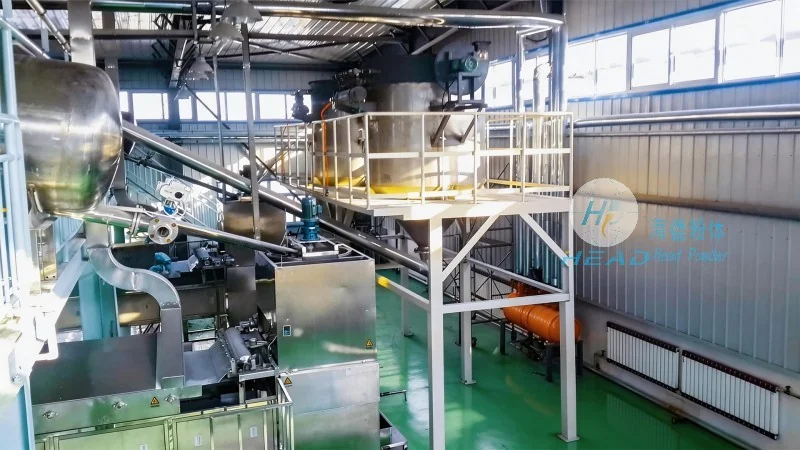
HeadPowder's expertise in designing desulfurization sodium bicarbonate pneumatic conveying systems ensures that industrial facilities can achieve efficient and reliable material transport. By considering the technical and operational aspects outlined in this article, engineers can develop systems that meet the specific requirements of their desulfurization processes. The integration of advanced engineering solutions and careful attention to material properties and system reliability results in a robust and effective pneumatic conveying system that contributes to the overall success of flue gas desulfurization operations.




