A powder electrolyte pneumatic conveying system is a critical component in various industrial applications, particularly in the battery manufacturing sector where efficient and reliable material handling is essential. The design of such systems requires careful consideration of multiple factors to ensure optimal performance, safety, and longevity. This article outlines key design considerations for implementing an effective powder electrolyte pneumatic conveying system, with a focus on the expertise and solutions provided by Shandong HeadPowder Engineering Co., Ltd., a leading provider in the field.
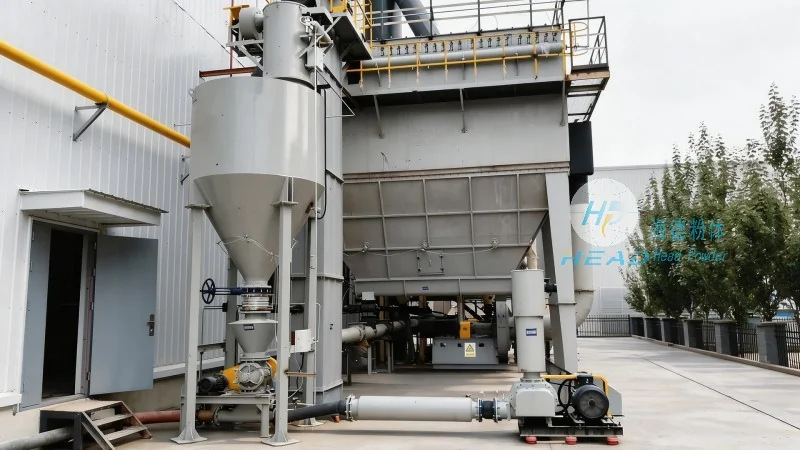
System Selection and Configuration
The first step in designing a powder electrolyte pneumatic conveying system is selecting the appropriate system type and configuration. There are two main categories: pressure and vacuum systems. Pressure systems use positive pressure to move material through the pipeline, while vacuum systems use negative pressure. The choice between these depends on factors such as the material's properties, the distance to be conveyed, and the required flow rate. For powder electrolytes, which often have specific flow characteristics and may be sensitive to moisture or contamination, a pressure system is typically preferred due to its ability to maintain consistent material flow and prevent material degradation. HeadPowder specializes in customizing system configurations to meet the unique needs of each client, ensuring that the selected system aligns with operational requirements and material handling constraints.
Pipeline Design and Material Selection
Once the system type is determined, the design of the pipeline network becomes crucial. The pipeline must be designed to handle the specific properties of the powder electrolyte, including its particle size distribution, density, and flowability. The use of appropriate materials for the pipeline and fittings is essential to prevent material buildup, corrosion, or contamination. Stainless steel is commonly used for its corrosion resistance and ability to maintain the purity of the powder electrolyte. The pipeline diameter and length are also critical factors, as they directly impact the system's pressure drop and overall efficiency. Properly sized pipelines minimize energy consumption and ensure smooth material transport. HeadPowder engineers utilize advanced computational fluid dynamics (CFD) tools to simulate and optimize pipeline designs, ensuring that the final configuration meets performance targets and operational efficiency standards.
Pressure Control and Energy Management
Effective pressure control is vital for maintaining consistent material flow and preventing system overloads or underflows. The system must be equipped with appropriate pressure regulators, valves, and sensors to monitor and adjust pressure levels in real-time. Energy management is another key aspect, as pneumatic conveying systems can be energy-intensive. Implementing energy-efficient components, such as variable frequency drives (VFDs) for the air compressor, and optimizing the system's operating pressure can significantly reduce energy consumption. HeadPowder incorporates energy-saving technologies into their system designs, helping clients achieve cost savings and reduced environmental impact. Additionally, the system should include safety features like pressure relief valves and overpressure protection to prevent equipment damage and ensure operator safety.
Material Handling and Dosing Systems
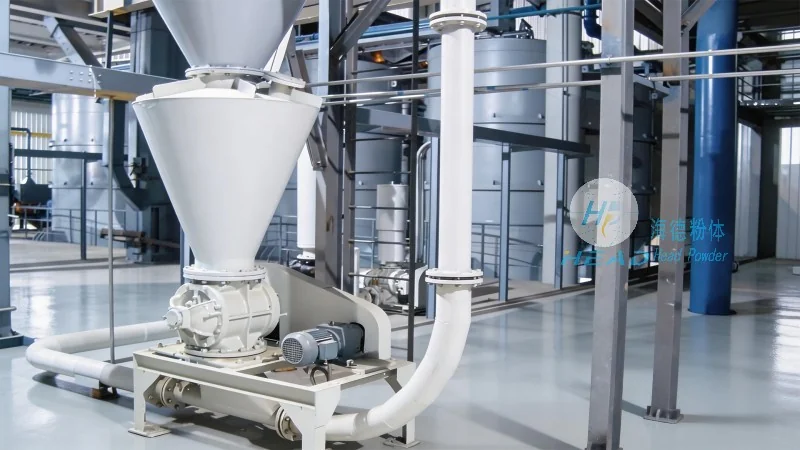
The design of the material handling and dosing components is critical for maintaining the quality and consistency of the powder electrolyte. The feed hopper and dosing equipment must be designed to handle the material's flow characteristics, preventing bridging, caking, or segregation. For powder electrolytes, which may be hygroscopic or prone to agglomeration, specialized feeders such as rotary valves or star feeders are often used. These devices ensure a uniform and controlled flow of material into the conveying system. The dosing system must also be integrated with the overall process control system to allow for precise material addition, which is essential for maintaining product quality and consistency. HeadPowder provides integrated material handling solutions that include custom feeders, dosing mechanisms, and process control interfaces, ensuring seamless integration with existing production lines.
Safety and Environmental Considerations
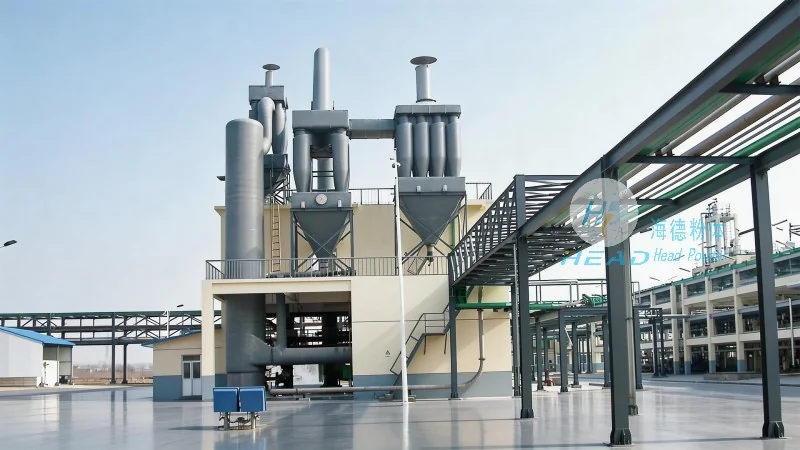
Safety is a top priority in the design of any industrial system, and powder electrolyte pneumatic conveying systems are no exception. The system must be designed to prevent dust explosions, which can occur due to the presence of combustible dust. This involves implementing explosion-proof components, proper ventilation systems, and dust collection equipment. Additionally, the system should include safety interlocks and emergency shut-off mechanisms to protect operators and equipment in case of malfunctions. Environmental considerations are also important, as the system must comply with local regulations regarding dust emissions and material handling. HeadPowder adheres to strict safety and environmental standards, incorporating features such as dust filtration systems and material recovery mechanisms to minimize environmental impact. Their systems are designed to meet or exceed industry safety and environmental regulations, providing clients with peace of mind and compliance assurance.
Integration and Maintenance
The successful implementation of a powder electrolyte pneumatic conveying system requires seamless integration with the existing production infrastructure. HeadPowder provides comprehensive integration services, ensuring that the new system works in harmony with existing equipment and processes. This includes coordinating with clients to understand their operational workflows and process requirements, and designing a system that fits seamlessly into their production line. Maintenance is another critical aspect of system longevity and performance. The system should be designed with easy access to components for maintenance and cleaning, and include monitoring systems to detect potential issues before they become major problems. HeadPowder offers maintenance and support services to help clients keep their systems operating at peak performance, reducing downtime and extending the system's lifespan.




