Steel and lime pneumatic conveying systems are critical components in industrial material handling, enabling efficient and safe transportation of bulk materials like steel powders and lime over long distances. This article provides an overview of the key aspects of such systems, focusing on their structural design and operational principles.
Company Profile and Expertise
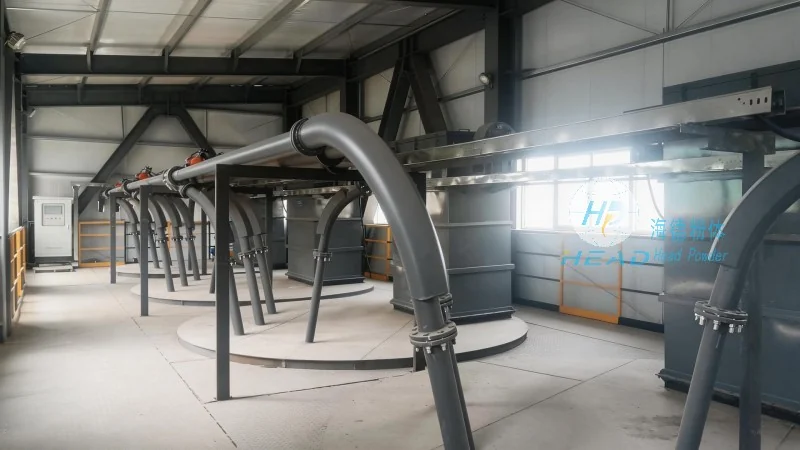
HeadPowder, a leading manufacturer in the field, specializes in the design, development, and implementation of advanced pneumatic conveying solutions. With a strong foundation in engineering and material science, the company has built a reputation for delivering reliable and efficient systems tailored to the unique needs of industrial clients. Based in Shandong, China, HeadPowder leverages local resources and expertise to ensure high-quality production and timely delivery of its products.
Understanding Pneumatic Conveying Systems
Pneumatic conveying systems utilize air or gas to transport bulk materials through a pipeline network. The process involves several key components that work in tandem to ensure smooth material movement. The primary components include a material feed hopper, a conveyor line (often equipped with pressure vessels or vacuum units), and a discharge system. These components are designed to handle the specific properties of steel and lime, which differ significantly from other materials in terms of particle size, density, and reactivity.
Structural Design of Steel and Lime Conveying Systems
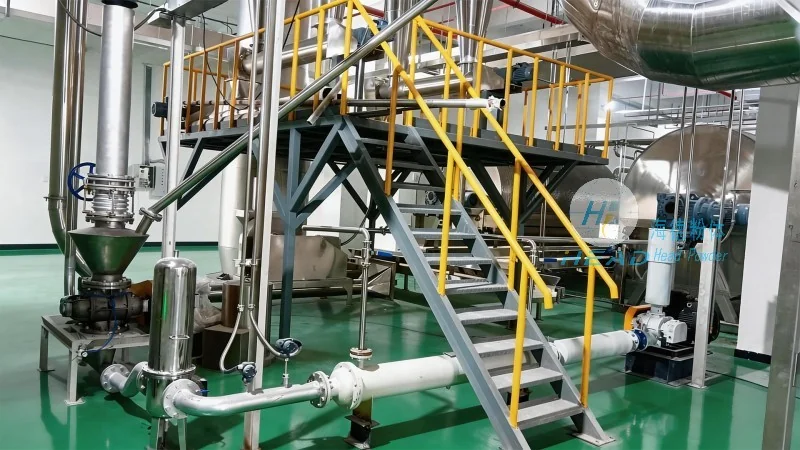
The structural design of a pneumatic conveying system for steel and lime is a complex process that requires careful consideration of material characteristics and operational requirements. The system typically consists of a series of interconnected components, each playing a crucial role in the overall functionality. The feed hopper is designed to store and meter the material, ensuring a consistent flow into the conveyor line. The conveyor line itself is constructed from durable materials, such as stainless steel or high-grade alloys, to withstand the abrasive nature of steel and lime particles. Pressure vessels or vacuum units are integrated to maintain the necessary pressure or vacuum levels for effective material transport. The discharge system, including valves and receivers, is engineered to safely release the material at the destination point, preventing blockages and ensuring efficient operation.
Operational Principles and Efficiency
The operational principles of a pneumatic conveying system for steel and lime revolve around the balance of air flow and material feed rate. The system operates by creating a pressure differential between the feed and discharge points, which propels the material through the pipeline. The efficiency of the system is determined by factors such as the air velocity, particle size distribution, and the system's pressure drop. Proper design and maintenance are essential to maximize the system's throughput and minimize energy consumption. HeadPowder's systems are optimized to achieve high efficiency, with minimal downtime and low maintenance requirements, ensuring that clients can rely on consistent performance.
Advantages of Pneumatic Conveying for Steel and Lime
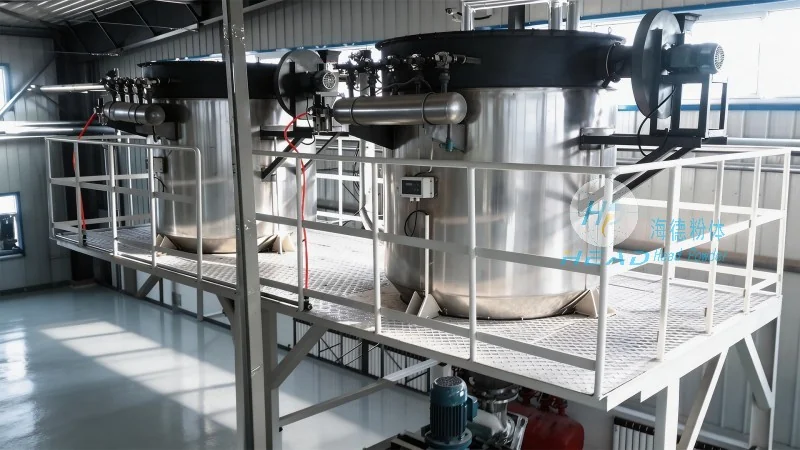
Compared to traditional bulk material handling methods, pneumatic conveying offers several advantages for steel and lime transportation. These include the ability to transport materials over long distances without the need for intermediate storage or handling equipment. The system is also highly flexible, allowing for changes in material flow rates and destinations without significant modifications. Additionally, pneumatic conveying reduces the risk of material contamination and exposure to the environment, which is particularly important for materials like lime that are sensitive to moisture or air. The enclosed system design also minimizes dust emissions, contributing to a safer and more environmentally friendly operation.
Application Examples and Industry Use Cases
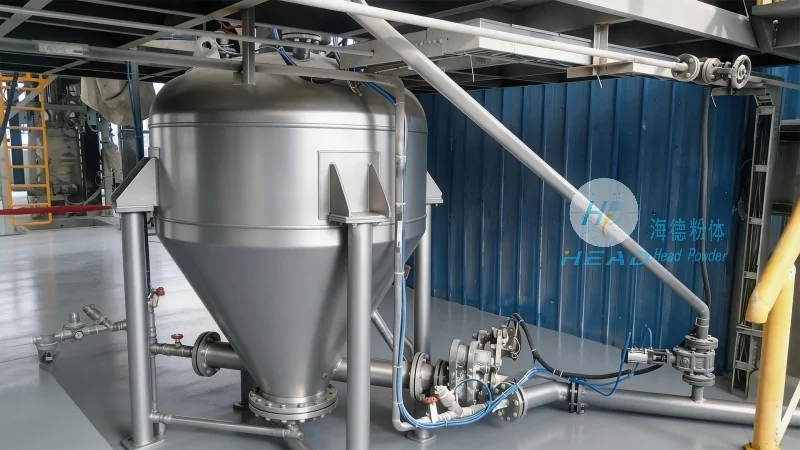
The applications of steel and lime pneumatic conveying systems span across various industries, including steel manufacturing, chemical processing, and food production. In steel manufacturing, the system is used to transport raw materials like lime to the blast furnace or to transport finished steel products to storage facilities. In chemical processing, it is employed to move lime for flue gas desulfurization or other industrial processes. The versatility of the system makes it suitable for a wide range of applications, where efficient and reliable material transport is critical to operational success.
Conclusion and Future Directions
Steel and lime pneumatic conveying systems represent a sophisticated solution for bulk material handling, combining advanced engineering with practical application. HeadPowder's expertise in designing and implementing such systems ensures that clients receive tailored solutions that meet their specific operational needs. As industrial demands continue to evolve, the importance of efficient material transport systems will only increase, making pneumatic conveying an essential component of modern industrial operations. With its commitment to quality and innovation, HeadPowder remains at the forefront of developing cutting-edge solutions for the steel and lime industry.




