

Operation Process and Working Principle of Bulk Bag Breakage Powder Pneumatic Conveying System
HeadPowder, a leading engineering company based in Shandong, China, specializes in the design and implementation of advanced powder handling solutions. This article provides an in-depth look at the operation process and working principle of bulk bag breakage powder pneumatic conveying systems, a critical technology for efficiently managing bulk solid materials in various industrial applications.
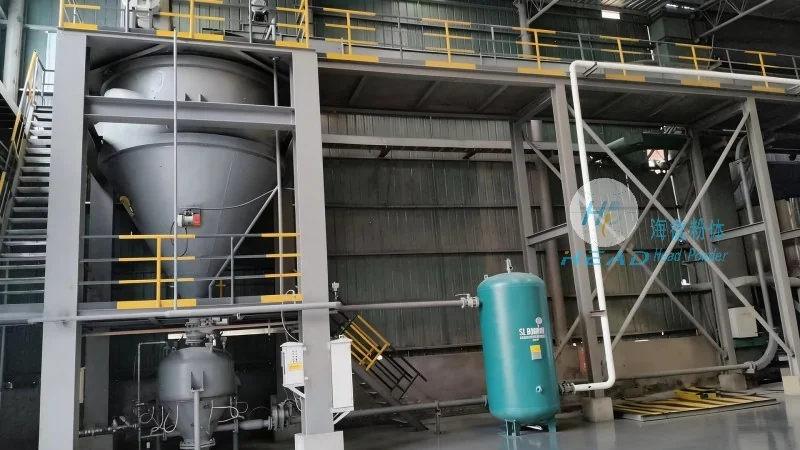
Overview of Bulk Bag Breakage Powder Pneumatic Conveying Systems
Bulk bag breakage powder pneumatic conveying systems are engineered to handle large quantities of dry powders or granular materials stored in flexible bulk bags. The system integrates a bag opening mechanism, material collection equipment, and a pneumatic conveying network to transport the material from the bulk bag to a processing or storage location. This technology is widely used in industries such as chemicals, food processing, pharmaceuticals, and mining, where reliable and efficient material transfer is essential.
Key Components and Their Functions
The bulk bag breakage powder pneumatic conveying system consists of several key components, each playing a vital role in the overall operation. The primary components include:
- Bulk Bag Breaker: This device is responsible for opening the flexible bulk bag and releasing the contained material. It typically features a mechanical or pneumatic mechanism that cuts or tears the bag's top, allowing the material to flow into a collection hopper.
- Collection Hopper: Once the bulk bag is broken, the material falls into a hopper or bin. The hopper is designed to collect the material and feed it into the pneumatic conveying system. It may include a discharge valve or gate to control the flow of material.
- Pneumatic Conveying Unit: This is the core of the system, responsible for transporting the material through a network of pipes using compressed air or vacuum. The unit can be either positive pressure (air is blown into the pipe to push the material) or negative pressure (air is drawn out to pull the material).
- Separation and Filtration System: To ensure the material is conveyed without contamination or loss, the system includes a separation and filtration unit. This component removes any dust or particles from the air stream, preventing environmental pollution and maintaining material purity.
- Control Panel: The control panel monitors and regulates the operation of all system components, ensuring smooth and safe operation. It allows operators to adjust parameters such as air pressure, flow rate, and material feed rate.
Operation Process of the System
The operation of a bulk bag breakage powder pneumatic conveying system follows a systematic sequence of steps, designed to efficiently transfer material from the bulk bag to the desired destination. The process typically begins with the placement of a full bulk bag onto the bag breaker. The system then proceeds through the following stages:
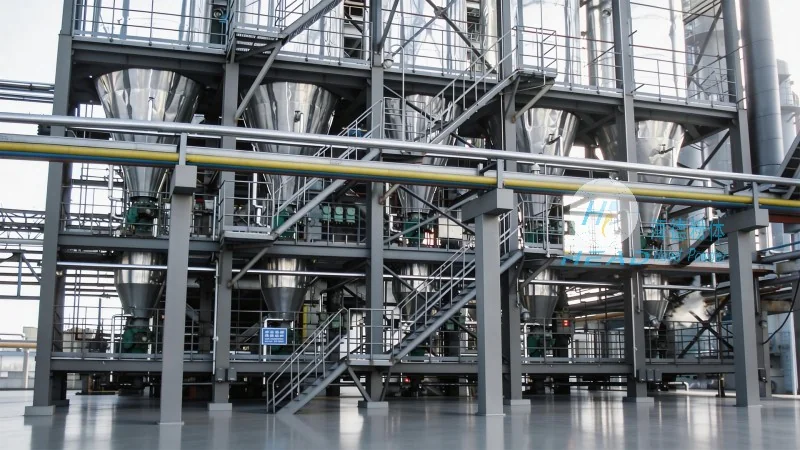
- Bag Opening: The bulk bag breaker activates, cutting or tearing the top of the bag to release the material. The material falls into the collection hopper as the bag is emptied.
- Material Transfer to Hopper: The material remains in the hopper until the pneumatic conveying system is ready to receive it. The hopper may have a discharge valve that controls the flow of material into the conveying line.
- Pneumatic Conveying Initiation: Once the hopper is filled or the material is ready, the control panel signals the pneumatic conveying unit to start. Compressed air is introduced into the conveying line, creating a flow that pulls or pushes the material through the pipes.
- Material Transport: The material is carried by the air stream through the conveying pipes to the destination point, such as a silo, storage tank, or processing equipment. The system may include multiple pipes and branches to direct the material to different locations.
- Material Discharge: At the destination, the material is discharged from the conveying line into the receiving container. The control panel may adjust the air flow to ensure a smooth and controlled discharge.
- System Shutdown: After the material has been fully transferred, the control panel signals the system to stop, and the air pressure is released. The system then returns to a standby mode, ready for the next batch of material.
Working Principle of Pneumatic Conveying
The working principle of the pneumatic conveying system is based on the interaction between the material particles and the air stream. In a positive pressure system, compressed air is introduced into the conveying line, creating a high-pressure environment that pushes the material forward. The air velocity is maintained above the material's terminal velocity to ensure it remains suspended and transported efficiently. In a negative pressure system, the air is drawn out of the line, creating a vacuum that pulls the material through the pipes. The air flow rate and pressure are carefully controlled to achieve optimal conveying performance.
The material particles are carried in the air stream as a dilute or dense phase. In a dilute phase system, the material is dispersed as individual particles, while in a dense phase system, the material is conveyed as a slurry or dense cloud. The choice of system depends on the material's properties, such as particle size, density, and moisture content, as well as the required conveying distance and capacity.
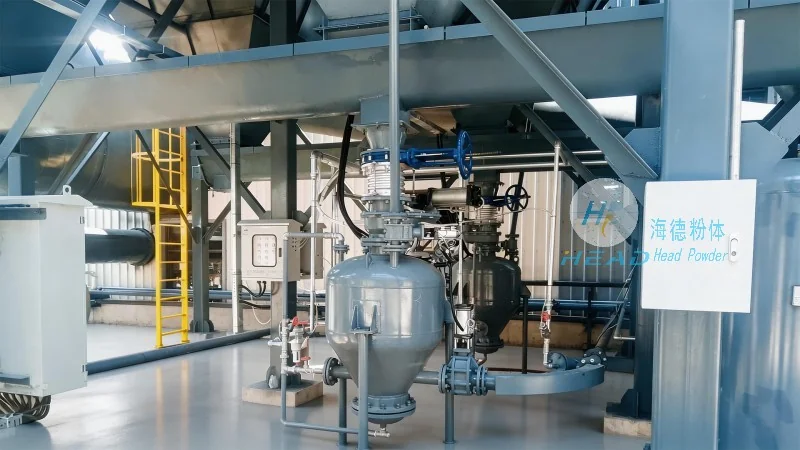
Advantages and Applications
Bulk bag breakage powder pneumatic conveying systems offer several advantages over traditional material handling methods, making them ideal for a wide range of industrial applications. Some of the key advantages include:
- Efficiency and Speed: The system can transfer large quantities of material quickly and efficiently, reducing handling time and labor costs.
- Flexibility: The system can be configured to handle various materials and conveying distances, making it adaptable to different industrial needs.
- Safety and Cleanliness: The enclosed system prevents dust and contamination, ensuring a safe and clean working environment. It also minimizes material loss and environmental impact.
- Automation: The system can be fully automated, with the control panel monitoring and regulating all operations, reducing the need for manual intervention.
- Space-Saving: The compact design of the system allows it to be installed in limited spaces, making it suitable for facilities with space constraints.
These systems are commonly used in industries such as chemical manufacturing, where powders like polymers, pigments, and additives are handled. In the food industry, they are used to transport dry ingredients like flour, sugar, and spices. The pharmaceutical industry also relies on these systems for handling powders and granules, ensuring compliance with strict quality and safety standards.
Conclusion
Bulk bag breakage powder pneumatic conveying systems are a sophisticated and reliable solution for efficiently handling bulk solid materials. By integrating advanced bag opening mechanisms with pneumatic conveying technology, these systems provide a seamless and automated process for transferring material from bulk bags to processing or storage locations. The working principle, based on air flow and material suspension, ensures high efficiency and minimal material loss. With its advantages in speed, flexibility, and safety, this technology remains a preferred choice for industries seeking to optimize their material handling operations.