

Operation Process and Working Principle of Graphite Electrode Material Conveying
Graphite electrode material conveying systems are critical components in industrial applications, particularly in the manufacturing and processing of high-purity graphite electrodes. These systems are designed to efficiently transport raw materials or finished products, ensuring smooth and reliable operation in production lines. Shandong HeadPowder Engineering Co., Ltd., a leading provider of material handling solutions, specializes in designing and manufacturing such systems tailored to meet the specific needs of industrial clients.
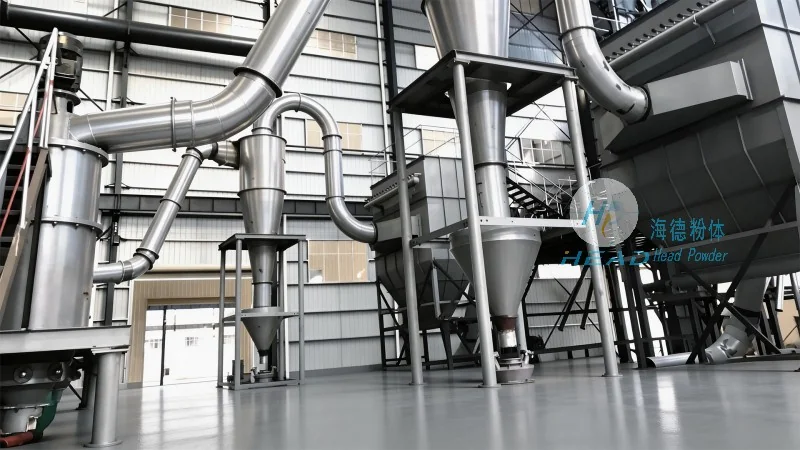
Introduction to Graphite Electrode Material Conveying
Graphite electrode material conveying systems are engineered to handle the transportation of graphite-based materials, which are essential in various industrial sectors including steelmaking, aluminum production, and other high-temperature applications. The systems typically consist of a combination of mechanical components, such as conveyors, feeders, and control mechanisms, working in tandem to move materials from one stage of production to another. The design and configuration of these systems are tailored to meet specific operational requirements, ensuring optimal performance and minimal downtime.
Key Components of the Conveying System
The core components of a graphite electrode material conveying system include feed hoppers, conveyor belts or chains, drive mechanisms, and control panels. Feed hoppers are used to store and feed the graphite material into the conveyor system, while the conveyor itself transports the material to the next processing stage. Drive mechanisms, often powered by electric motors, provide the necessary force to move the conveyor, ensuring consistent and controlled material flow. Control panels allow operators to monitor and adjust the system's operation, enabling real-time management of the conveying process.
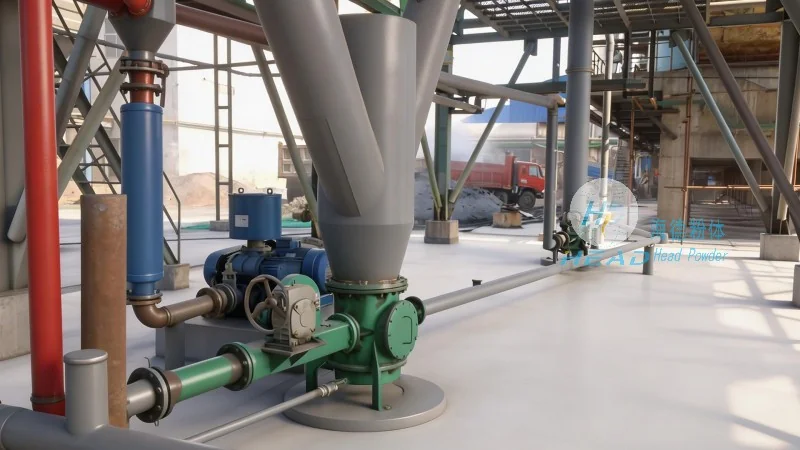
Operation Process of the Graphite Electrode Material Conveying System
The operation process of a graphite electrode material conveying system begins with the loading of raw graphite material into the feed hopper. The material is then released into the conveyor system, where it is transported along the conveyor path. The conveyor may include features such as inclines or declines to adjust the material's trajectory, ensuring it reaches the desired destination efficiently. At various points along the conveyor, the material may be subjected to additional processing steps, such as screening or sorting, to ensure quality and consistency. The system is designed to maintain a steady flow of material, minimizing interruptions and maximizing throughput.
Working Principle of the Graphite Electrode Material Conveying System
The working principle of a graphite electrode material conveying system relies on the interaction between mechanical components and the material being transported. The feed hopper regulates the amount of material entering the conveyor, preventing overloading or underloading. The conveyor belt or chain moves the material through the system, using friction and gravity to guide its movement. Drive mechanisms provide the necessary torque to overcome resistance and maintain a consistent speed. Control systems monitor parameters such as speed, load, and temperature, adjusting the operation as needed to maintain optimal performance. This integrated approach ensures that the system operates efficiently and reliably, meeting the demands of industrial production.
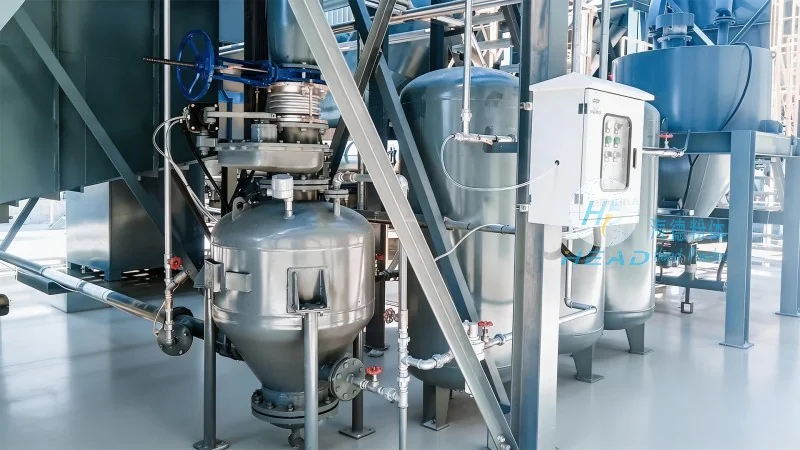
Advantages of the Graphite Electrode Material Conveying System
Graphite electrode material conveying systems offer several advantages in industrial applications. These include improved material handling efficiency, reduced labor costs, and enhanced safety through automated operation. The systems are designed to handle high volumes of material with minimal human intervention, increasing productivity and reducing the risk of accidents. Additionally, the use of durable materials and robust construction ensures long-term reliability and low maintenance costs. The ability to customize the system to specific production requirements further enhances its utility, making it a versatile solution for various industrial needs.
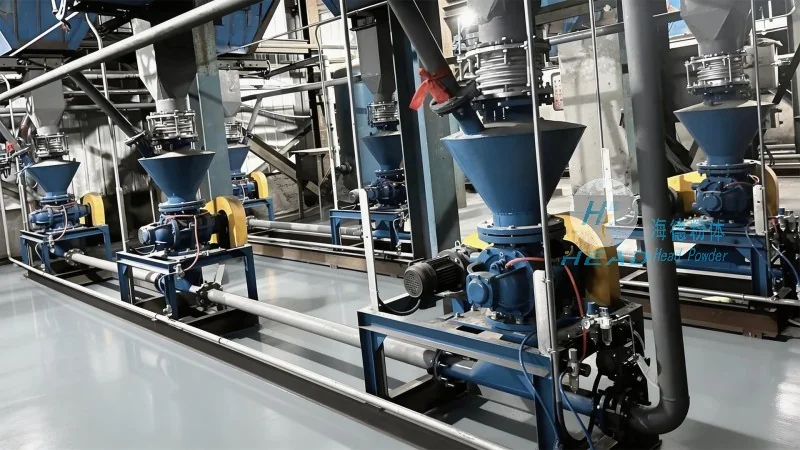
Applications and Industries
Graphite electrode material conveying systems are widely used in industries that rely on high-purity graphite electrodes, such as the steel and aluminum industries. In steelmaking, these systems are used to transport raw graphite materials to the electrode production line, ensuring a continuous supply of material for manufacturing. In aluminum production, the systems facilitate the movement of graphite electrodes to the smelting furnaces, where they are used as anodes. The systems are also used in other applications, such as in the production of refractory materials and in research and development facilities that require precise material handling.
Conclusion
Graphite electrode material conveying systems are essential for efficient and reliable operation in industrial production. The operation process and working principles of these systems are designed to maximize material flow, minimize downtime, and ensure product quality. With their robust construction and customizable features, these systems provide a reliable solution for various industrial applications. As technology advances, the design and functionality of these systems continue to improve, offering even greater efficiency and performance for industrial users.