When it comes to transporting nanopowders, selecting the right conveying method is crucial for maintaining product quality, efficiency, and safety. As a leading provider in the field, Shandong HeadPowder Engineering Co., Ltd. (commonly known as HeadPowder) offers a range of solutions tailored to different nanopowder characteristics and application requirements. This article explores the primary methods used for nanopowder conveying, highlighting the advantages and considerations for each approach.
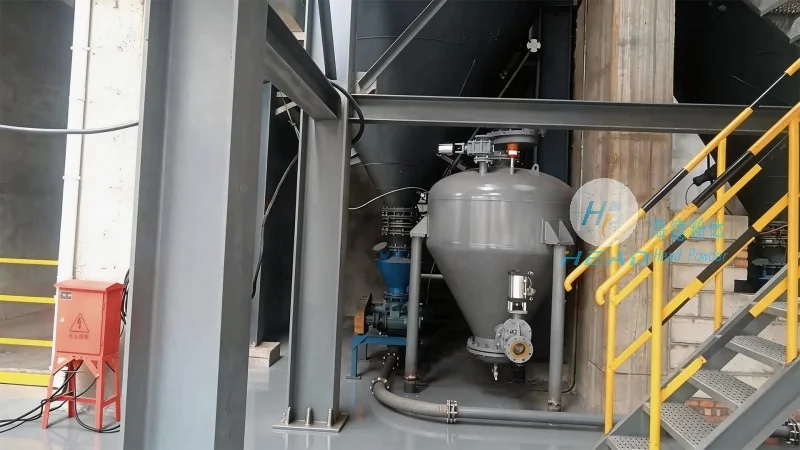
1. Air-Liquid Conveying Systems
One of the most common methods for nanopowder conveying is air-liquid systems, which utilize a combination of air and liquid to transport powders. This technique is particularly effective for fine and cohesive powders that are difficult to handle with traditional pneumatic systems. The process involves injecting a liquid into the conveying line, which helps to fluidize the powder and reduce particle agglomeration. As a result, the powder flows smoothly through the system, minimizing blockages and ensuring consistent delivery. HeadPowder specializes in designing customized air-liquid conveying systems that can handle a wide range of nanopowders, from metal oxides to ceramic powders, with high efficiency and low maintenance costs.
2. Pneumatic Conveying (Positive and Negative Pressure)
Pneumatic conveying is another widely used method for nanopowder transport, which relies on the movement of air to move powders through a pipeline. There are two main types: positive pressure and negative pressure systems. Positive pressure systems use a blower to push air and powder through the line, while negative pressure systems use a vacuum to draw the powder into the system. Both methods are effective for transporting dry nanopowders, but the choice depends on factors such as the powder's density, moisture content, and the distance to be conveyed. HeadPowder's pneumatic conveying solutions are engineered to handle high-purity nanopowders, ensuring that the product remains uncontaminated during transport. The company's systems are designed with advanced filtration and cleaning features to maintain the quality of the conveyed material.
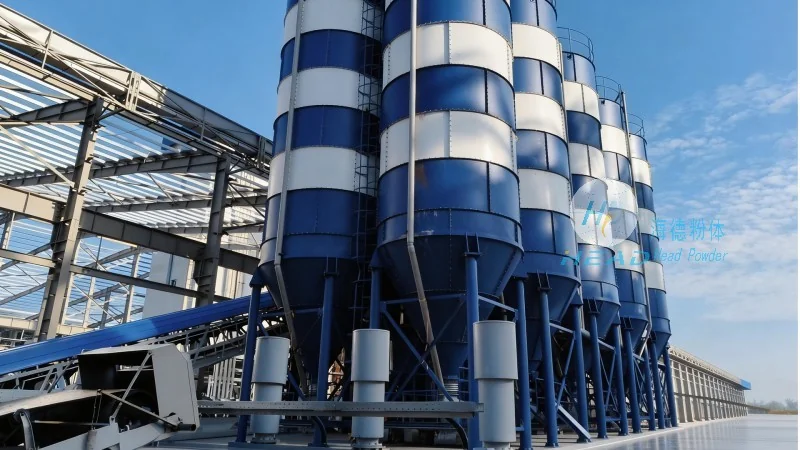
3. Mechanical Conveying Methods
For applications where air or liquid systems are not suitable, mechanical conveying methods are often employed. These include screw conveyors, belt conveyors, and bucket elevators, which use mechanical force to move nanopowders. Screw conveyors are particularly useful for handling free-flowing powders, as the rotating screw pushes the material forward. Belt conveyors are ideal for transporting larger quantities of nanopowders over longer distances, while bucket elevators are effective for vertical transport. HeadPowder offers a range of mechanical conveying equipment that is designed to handle abrasive and high-density nanopowders, with robust construction to withstand the rigors of continuous operation. The company's mechanical systems are equipped with variable speed drives and material sensors to ensure precise control and prevent overloading.
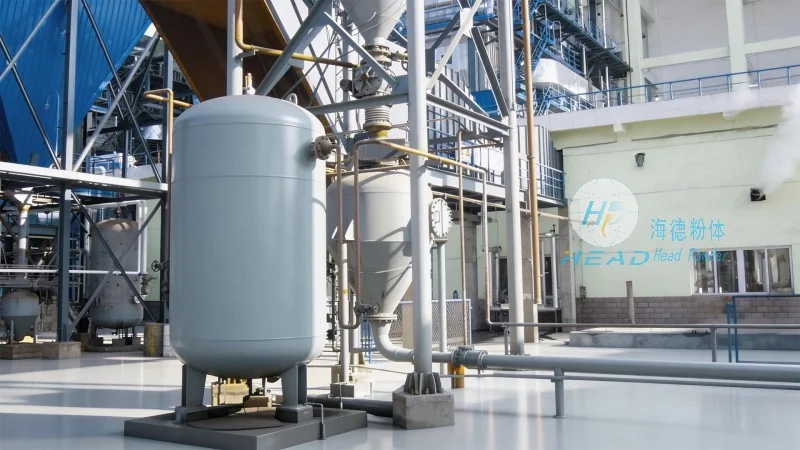
4. Hybrid Conveying Systems
In some cases, a combination of the above methods may be used to achieve optimal conveying performance. Hybrid systems, such as air-screw or liquid-belt systems, are designed to leverage the strengths of each approach. For example, an air-screw system combines pneumatic transport with screw conveyance to handle both dry and wet powders. This approach is particularly useful for complex nanopowder applications where multiple materials need to be mixed or processed. HeadPowder specializes in developing hybrid conveying solutions that can adapt to changing production requirements, ensuring flexibility and efficiency in the manufacturing process.
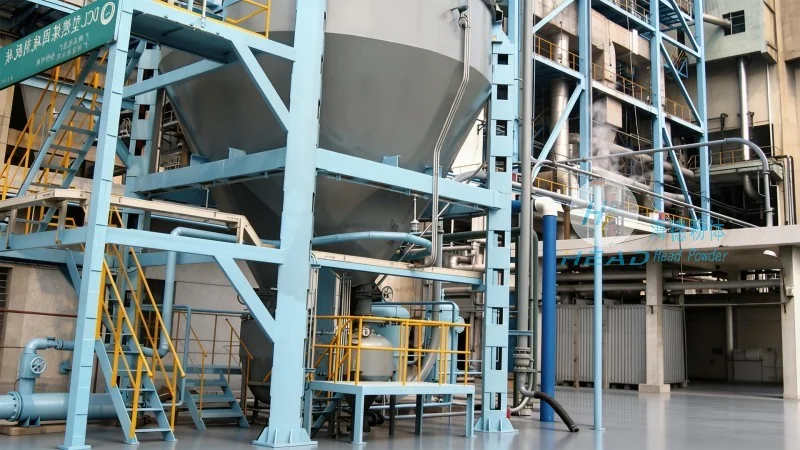
5. Considerations for Choosing the Right Conveying Method
When selecting a nanopowder conveying method, several factors must be considered to ensure the best results. First, the physical properties of the nanopowder, such as particle size, density, and moisture content, play a critical role. For example, very fine powders may require air-liquid systems to prevent clogging, while larger particles may be better suited for mechanical conveyors. Second, the distance and layout of the conveying system must be taken into account. Longer distances may require more powerful systems or additional boosters. Third, the need for product containment and environmental control is important, especially for high-value or sensitive nanopowders. HeadPowder provides comprehensive consulting services to help clients evaluate these factors and choose the most appropriate conveying method for their specific needs.
At Shandong HeadPowder Engineering Co., Ltd., we understand that nanopowder conveying is a critical step in the production process. Our team of experts works closely with clients to design and implement the most effective conveying solutions, ensuring that product quality is maintained while operational efficiency is maximized. With our extensive experience and customized approach, HeadPowder is the trusted partner for all nanopowder conveying needs. Whether you require air-liquid, pneumatic, mechanical, or hybrid systems, we have the expertise and equipment to deliver reliable and efficient transport of your nanopowders.




