

Operation Process and Working Principle of Epoxy Resin Material Handling
Epoxy resin material handling systems are critical components in various industrial applications, particularly in manufacturing and processing environments where precise and efficient material transport is essential. These systems are designed to handle epoxy resin, a versatile and widely used polymer, ensuring smooth and reliable operation from raw material intake to final product delivery. Understanding the operation process and working principle of such systems is vital for optimizing production efficiency and maintaining product quality.
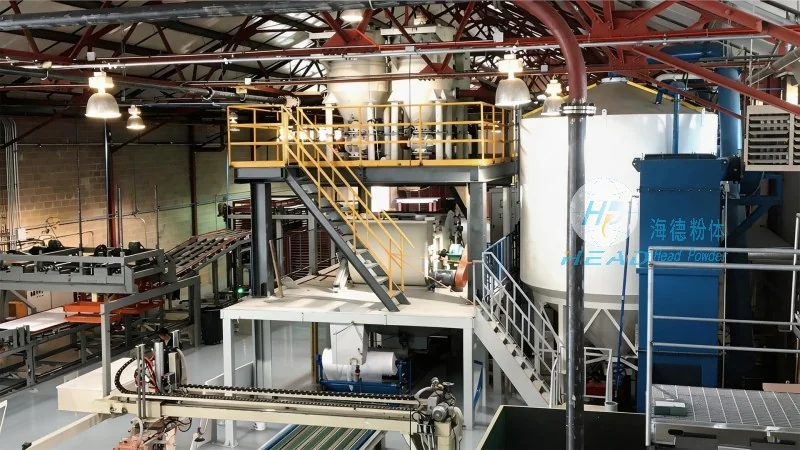
Company Overview: HeadPowder Engineering
HeadPowder, or Shandong HeadPowder Engineering Co., Ltd., is a leading provider of specialized engineering solutions for material handling and processing. With a strong presence in China, particularly in Shandong province, the company specializes in developing and manufacturing systems tailored to the unique needs of epoxy resin applications. Their expertise lies in integrating advanced technology with robust engineering to deliver reliable and efficient material handling solutions that meet industry standards and customer requirements.
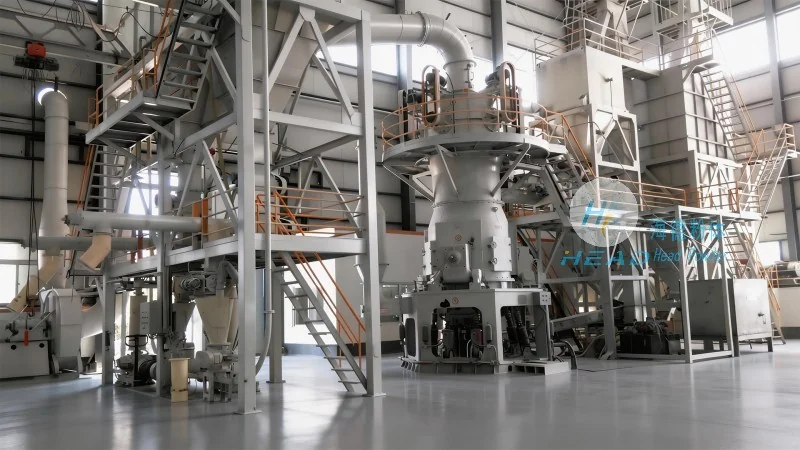
Key Components and Their Roles in Epoxy Resin Material Handling
The operation of epoxy resin material handling systems involves several key components that work in tandem to ensure seamless material transport. These components typically include feeders, conveyors, pumps, and storage tanks, each playing a crucial role in the overall process. Feeders are responsible for accurately metering the epoxy resin, ensuring consistent flow rates that prevent overloading or underloading of downstream equipment. Conveyors, such as belt or screw conveyors, transport the resin from one stage to another, maintaining the material's integrity and preventing contamination. Pumps, often used in liquid epoxy resin handling, provide the necessary pressure and flow control to move the material through pipelines or to different processing units. Storage tanks, equipped with temperature control systems, help maintain the resin's viscosity and prevent premature curing or degradation.
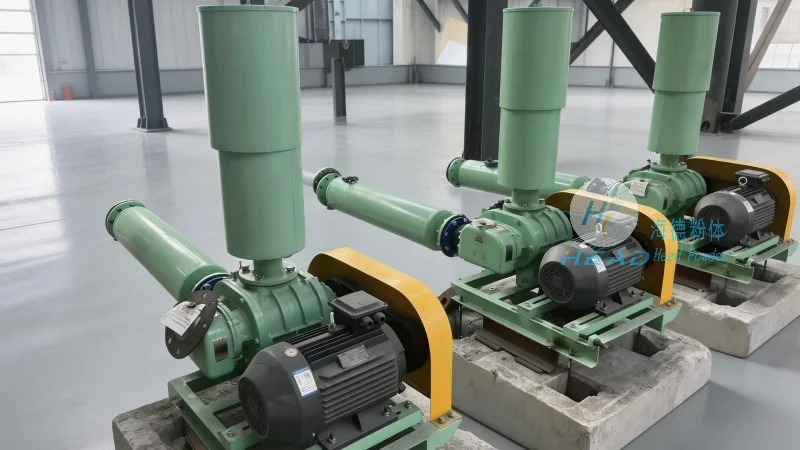
The Operation Process: Step-by-Step Overview
The operation process of an epoxy resin material handling system generally follows a systematic sequence of steps, each designed to ensure efficient and safe material handling. The first step involves the intake of raw epoxy resin from storage tanks or bulk containers. This is typically done using a loading system that connects to the resin's storage vessel, allowing for controlled transfer. Once the resin is in the system, it is fed into a metering device, such as a gravimetric or volumetric feeder, which accurately measures the required amount. The measured resin is then transferred to a conveyor system, which transports it to the processing unit or mixing station. In some cases, the resin may need to be heated or cooled to achieve the optimal temperature for processing, which is managed by temperature control units integrated into the system. After processing, the resin is transported to the final storage or packaging area, completing the material handling cycle.
Working Principle: How the System Ensures Efficiency and Reliability
The working principle of epoxy resin material handling systems is based on the principles of fluid dynamics and mechanical engineering, ensuring that the resin is handled with precision and care. The system operates by maintaining a consistent flow rate and pressure, which is crucial for preventing issues such as clogging or uneven distribution. Sensors and control systems are integrated into the equipment to monitor parameters like temperature, pressure, and flow rate, providing real-time feedback and adjustments as needed. This closed-loop control system ensures that the resin is handled under optimal conditions, minimizing the risk of defects or quality issues. Additionally, the system is designed with safety features, such as emergency stop mechanisms and leak detection, to protect both personnel and the environment from potential hazards associated with epoxy resin handling.
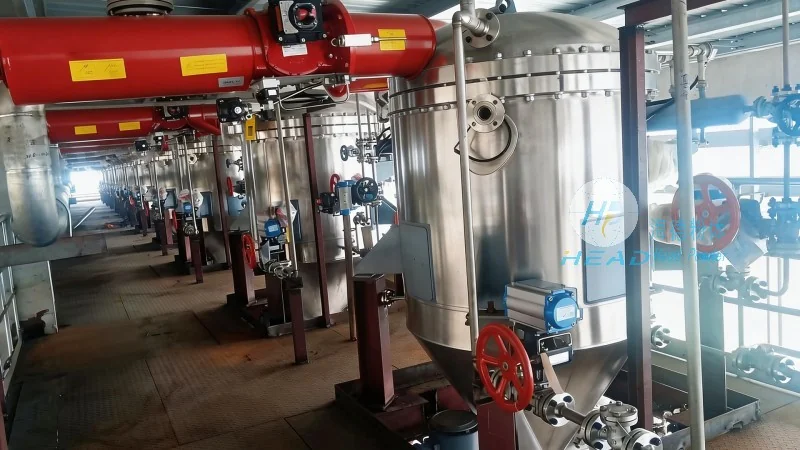
Benefits of Using Advanced Epoxy Resin Material Handling Systems
Implementing advanced epoxy resin material handling systems offers numerous benefits for industrial operations. These systems enhance production efficiency by reducing downtime and improving material throughput. By ensuring consistent flow rates and accurate metering, they minimize waste and reduce the need for reprocessing. The integration of temperature control and monitoring systems helps maintain the resin's quality, leading to better product consistency and reliability. Furthermore, the robust design and durability of these systems contribute to long-term cost savings by reducing maintenance and replacement costs. For companies operating in the epoxy resin industry, investing in such systems is a strategic move to stay competitive and meet the evolving demands of the market.