HeadPowder, a leading manufacturer based in Shandong, China, specializes in the design and implementation of efficient material handling systems for soybean protein powder. This article delves into the operational process and underlying principles that ensure seamless and reliable transport of this high-value protein product.
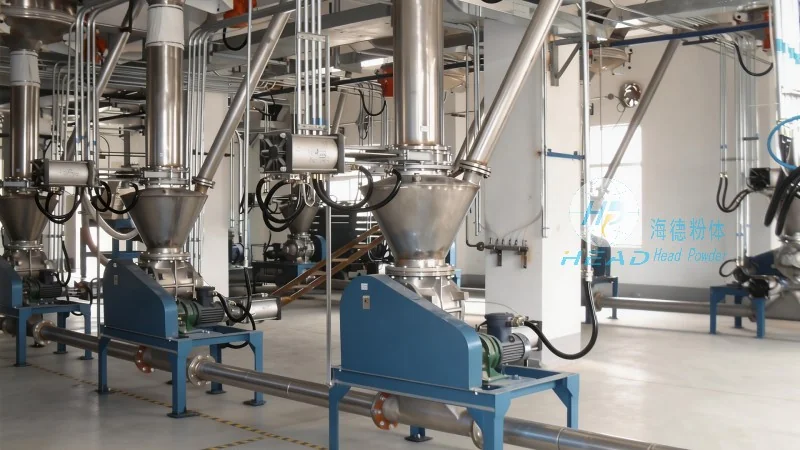
Understanding the Material Handling System for Soybean Protein Powder
The material handling system for soybean protein powder is engineered to meet the stringent requirements of the food and feed industries. It combines advanced technology with robust engineering to maintain product integrity, ensure safety, and optimize workflow. The system is typically composed of several key components that work in tandem to achieve efficient material transport from storage to processing or packaging units.
Key Components and Their Roles
At the core of the system are storage silos or hoppers that hold the soybean protein powder. These containers are designed with airtight seals and anti-static features to prevent contamination and maintain the quality of the powder. The silos are equipped with level sensors to monitor the powder volume, ensuring that the system operates at optimal capacity without overloading or underutilizing the storage space.
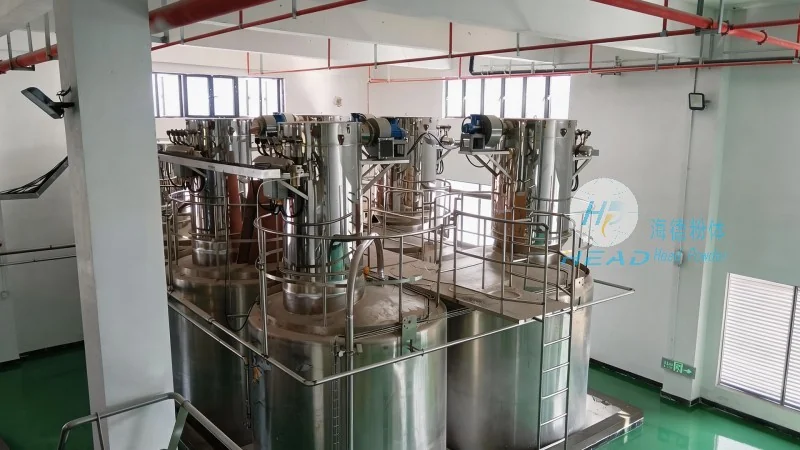
Conveying equipment, such as screw conveyors or pneumatic systems, is used to move the powder from the storage silos to the processing area. Screw conveyors are ideal for bulk material handling due to their ability to handle powders without causing segregation or degradation. They are typically made of stainless steel to prevent corrosion and maintain hygiene standards. Pneumatic systems, on the other hand, use air pressure to transport the powder through pipelines, which is particularly useful for long-distance or vertical transport. Both systems are integrated with control panels that allow operators to adjust the flow rate and direction of the material, ensuring precise control over the entire process.
The Operational Process: From Storage to Processing
The operational process begins with the loading of soybean protein powder into the storage silos. The powder is delivered to the silos via trucks or bulk containers, and the loading process is monitored to prevent overfilling. Once the silos are filled, the material handling system activates, and the powder is transferred to the conveying equipment. The level sensors in the silos trigger the start of the conveying process, ensuring that the system only operates when there is sufficient material to transport.
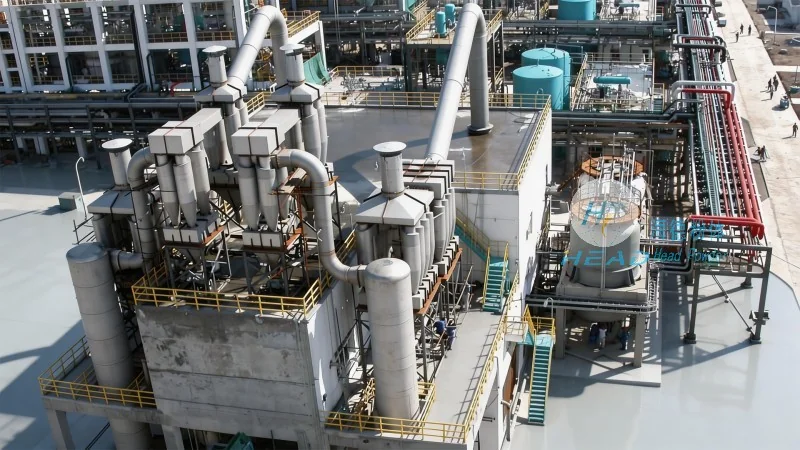
The conveying equipment then transports the powder to the processing or packaging area. The flow rate is controlled by the control panels, which adjust the speed of the screw or the air pressure in the pneumatic system. The powder is moved through the pipelines or conveyor tubes, and the system is designed to minimize the risk of clogging or blockages. In case of any issues, the control panels provide real-time feedback, allowing operators to take corrective actions promptly.
Working Principle: Ensuring Efficiency and Reliability
The working principle of the material handling system is based on the principles of fluid dynamics and mechanical engineering. The system is designed to maintain a consistent flow of material, which is crucial for maintaining the quality of the soybean protein powder. The use of airtight containers and anti-static features prevents moisture absorption and static buildup, which can affect the powder's texture and usability. The level sensors and control panels work together to ensure that the system operates at optimal efficiency, reducing energy consumption and minimizing downtime.
The system also incorporates safety features to protect operators and prevent accidents. For example, the conveying equipment is equipped with emergency stop buttons and safety guards to prevent accidental contact with moving parts. The storage silos are designed with pressure relief valves to prevent overpressure and ensure safe operation. These features, combined with regular maintenance and monitoring, ensure that the system operates reliably and safely.
Benefits of the Material Handling System
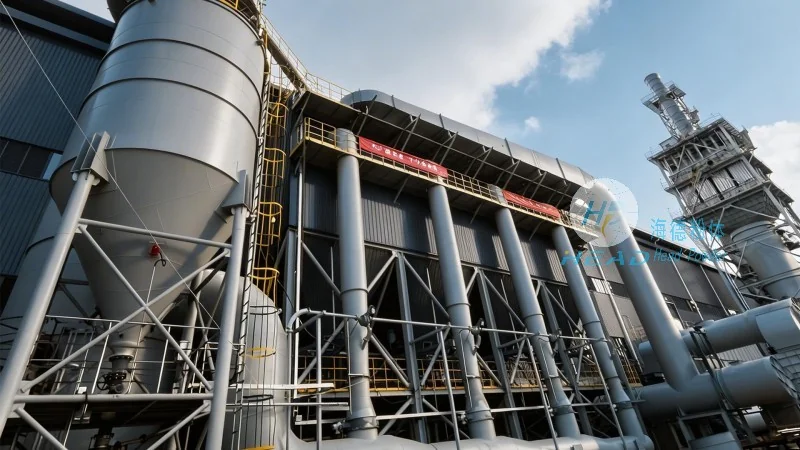
The material handling system for soybean protein powder offers several benefits to manufacturers. First, it ensures the consistent quality of the product by maintaining the powder's integrity throughout the transport process. The airtight and anti-static containers prevent contamination and degradation, which is essential for food and feed applications. Second, the system improves operational efficiency by optimizing the flow of material and reducing downtime. The control panels allow operators to adjust the flow rate and direction, ensuring that the system operates at its peak performance. Third, the system enhances safety by incorporating various safety features, such as emergency stop buttons and pressure relief valves. This reduces the risk of accidents and ensures a safe working environment.
Overall, the material handling system for soybean protein powder is a critical component of the production process. It ensures that the product is transported efficiently and safely, maintaining its quality and usability. The system is designed to meet the specific needs of the food and feed industries, and it is manufactured by HeadPowder, a leading company in the field. With its advanced technology and robust engineering, the system provides a reliable and efficient solution for manufacturers looking to streamline their material handling operations.




