

Operation Process and Working Principle of Positive Pressure Material Handling Systems
Positive pressure pressurized material handling systems represent a sophisticated approach to transporting bulk materials over long distances or through complex layouts. These systems are designed to deliver materials with consistent pressure, ensuring reliable and efficient material flow in industrial settings. The operation process and working principle of such systems involve several key components and steps that work in tandem to achieve optimal performance.
Working Principle of Positive Pressure Material Handling Systems
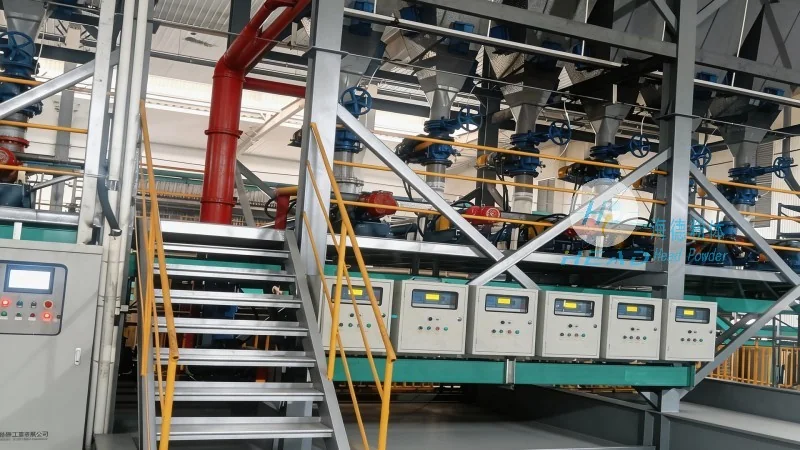
The working principle of positive pressure material handling systems is centered on the generation of a positive pressure gradient within the system's ductwork. A powerful blower or compressor serves as the primary energy source, producing compressed air that is directed into a series of interconnected pipes or ducts. As this pressurized air moves through the system, it creates a pressure differential that propels the bulk material forward. The air acts as a carrier, suspending the material particles and ensuring they are transported efficiently. This method is especially advantageous for handling materials that are prone to static electricity, moisture, or segregation, as the consistent pressure and air flow prevent these issues from affecting the material's integrity. The system's design allows for precise control over the air velocity and pressure, which are critical factors in maintaining the material's flow characteristics and preventing clogging or blockages.
Operation Process of Positive Pressure Material Handling Systems
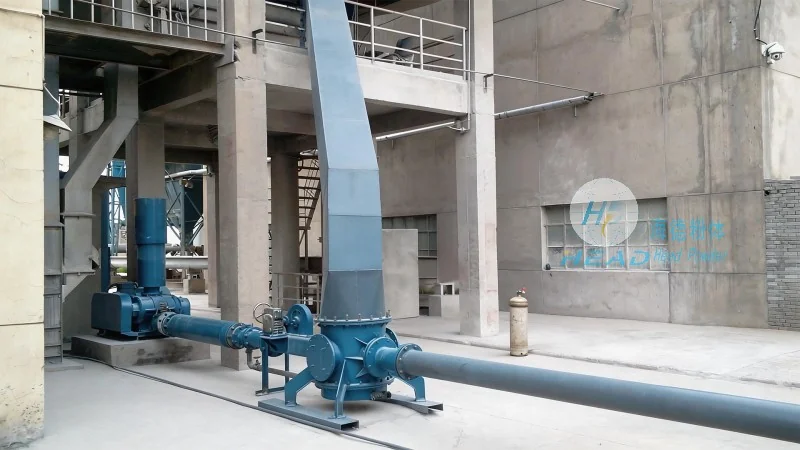
The operation process of a positive pressure material handling system involves several sequential steps that ensure smooth and continuous material transport. The process begins with the preparation of the system, which includes checking the blower's pressure, verifying the integrity of the duct network, and ensuring that all components are properly aligned and secured. Once the system is ready, the material is loaded into the initial hopper or feeder. The feeder then regulates the flow of material into the primary duct, where it is mixed with the compressed air supplied by the blower. As the air and material mixture travels through the ducts, it passes through various control devices such as flow meters, pressure regulators, and check valves. These components help maintain a consistent flow rate and pressure, preventing fluctuations that could disrupt the material's movement. The mixture continues to the discharge end, where a separator, typically a cyclone or a bag filter, separates the material from the air. The separated material is collected in a receiving bin, while the clean air is recirculated back to the blower, completing the cycle. Regular maintenance, including cleaning the ducts and replacing filters, is essential to keep the system operating at peak efficiency and to extend its lifespan.
About Shandong HeadPowder Engineering Co., Ltd.
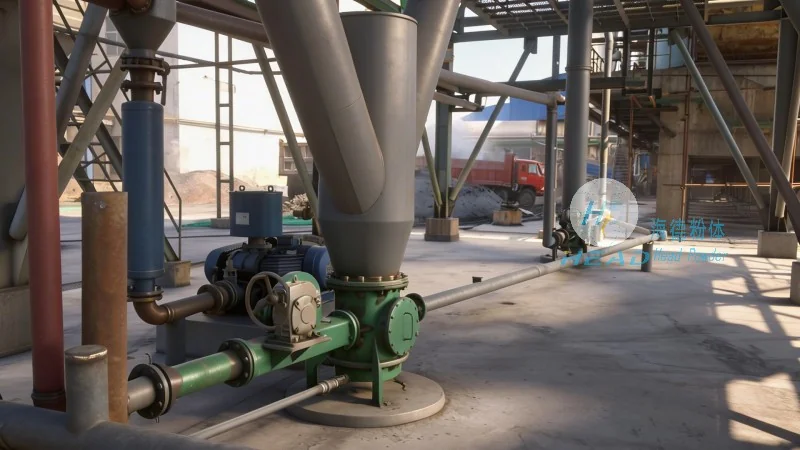
Shandong HeadPowder Engineering Co., Ltd. is a reputable engineering firm headquartered in Shandong, China, dedicated to providing advanced material handling solutions. The company has built its expertise over decades, focusing on the design and manufacturing of positive pressure pressurized systems tailored to diverse industrial applications. With a team of skilled engineers and technicians, HeadPowder delivers systems that meet the highest standards of quality, safety, and performance. The company's commitment to customer satisfaction is reflected in its comprehensive after-sales support, including installation, training, and maintenance services. HeadPowder's systems are widely used in industries such as pharmaceuticals, food processing, chemical manufacturing, and mining, where reliable and efficient material transport is critical to operational success. By combining innovative technology with practical engineering, HeadPowder ensures that its clients receive solutions that not only meet their current needs but also adapt to future growth and technological advancements.