

Operation Process and Working Principle of Silica Fume Material Handling System
HeadPowder, a leading engineering company based in Shandong, China, specializes in the design and implementation of advanced material handling systems tailored for industrial applications. This article provides a detailed overview of the operation process and working principle of a silica fume material handling system, highlighting the key components, operational steps, and technical mechanisms that ensure efficient and reliable material transport.
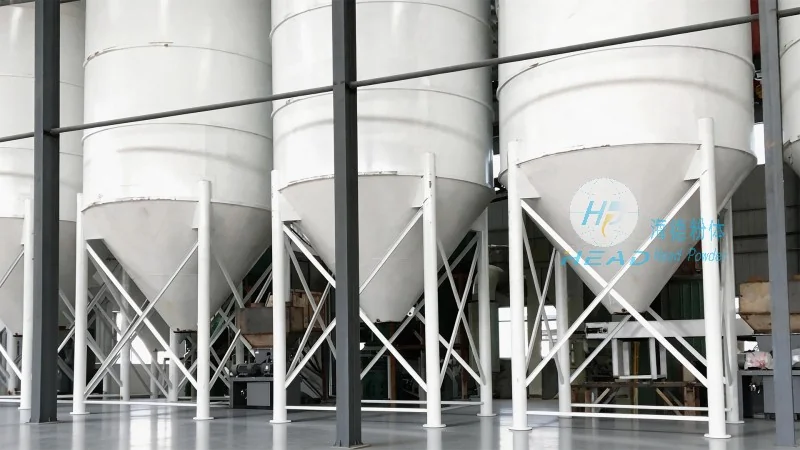
System Overview
The silica fume material handling system is engineered to handle the transportation of silica fume, a byproduct of the silicon and steel industries, from storage silos to processing units. The system integrates various components such as silos, conveyors, dust collection systems, and control panels to facilitate seamless material movement. HeadPowder's expertise in material handling technology ensures that the system is optimized for the unique characteristics of silica fume, including its fine particle size and high moisture content, which can pose challenges in traditional handling methods.
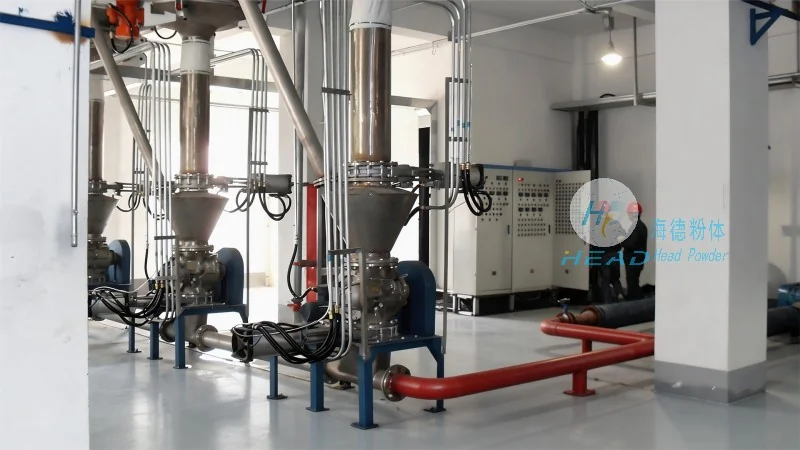
Operation Process
The operation of the silica fume material handling system follows a systematic sequence of steps to ensure safe and efficient material transfer. The process begins with the loading of silica fume into the storage silo, where the material is stored under controlled conditions to prevent caking and agglomeration. Once the material is ready for transport, the system activates the feeding mechanism, which typically involves a rotary valve or a screw feeder, to regulate the flow of silica fume from the silo into the conveyor system. The conveyor, often a pneumatic or mechanical type depending on the system design, then transports the material to the processing unit or discharge point. The control panel monitors the entire process, adjusting parameters such as flow rate and pressure to maintain optimal performance. The system also includes a dust collection system to capture and filter any airborne particles, ensuring compliance with environmental regulations and maintaining a safe working environment.
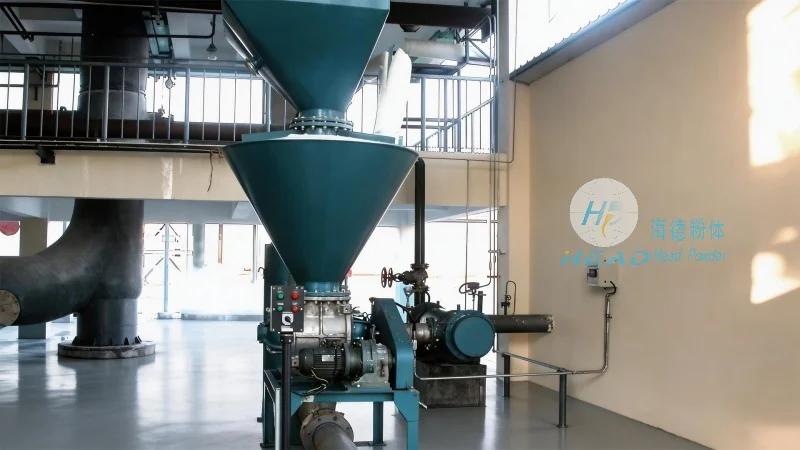
Working Principle
The working principle of the silica fume material handling system is based on the principles of fluidization and pneumatic transport, which are particularly effective for handling fine powders like silica fume. The system utilizes a combination of air pressure and mechanical force to move the material through the conveyor. In pneumatic systems, compressed air is introduced into the conveyor, creating a flow that carries the silica fume particles. The air velocity is carefully controlled to prevent particle separation and ensure uniform transport. Mechanical conveyors, such as belt or screw conveyors, rely on the rotation of components to move the material, with the design optimized to minimize friction and prevent material buildup. The integration of these mechanisms allows the system to handle silica fume with high efficiency, low maintenance, and minimal material loss.
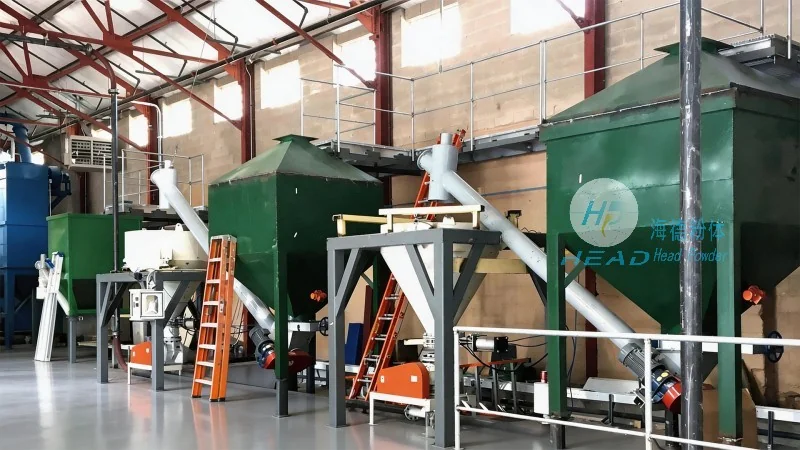
Technical Features and Benefits
HeadPowder's silica fume material handling system incorporates several technical features that enhance its performance and reliability. The system is equipped with advanced sensors and control systems that monitor key parameters such as flow rate, pressure, and temperature, providing real-time feedback and automated adjustments. This ensures consistent material handling performance and reduces the risk of system downtime. The use of high-quality materials, such as stainless steel and corrosion-resistant components, ensures durability and longevity, even in harsh industrial environments. Additionally, the system is designed with safety features, including emergency stop buttons and dust explosion prevention measures, to protect operators and the surrounding environment. The result is a robust and efficient system that meets the stringent requirements of modern industrial applications, providing reliable material transport for silica fume while minimizing operational costs.