

Operation Process and Working Principle of Headpowder Powder Conveying Line
Headpowder, a leading enterprise in the powder handling industry, specializes in the design, manufacturing, and supply of advanced powder conveying systems. Based in Shandong, China, the company has established itself as a trusted provider of efficient and reliable solutions for various powder transportation needs. This article delves into the detailed operation process and working principle of the Headpowder powder conveying line, highlighting its key components, operational mechanisms, and practical applications.
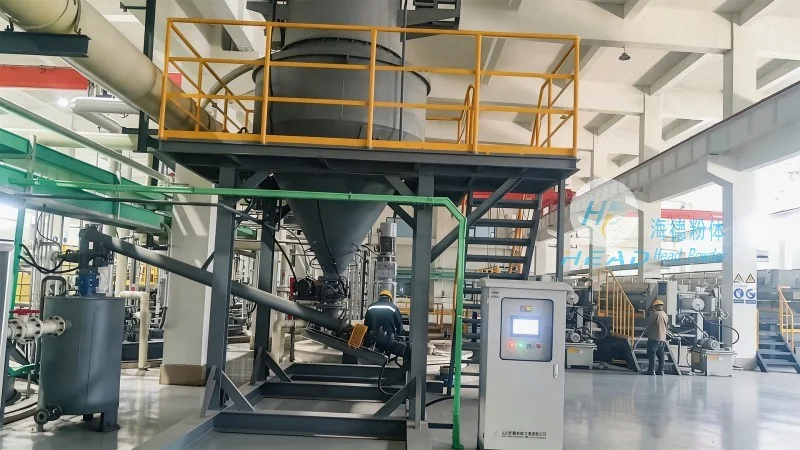
Key Components of the Powder Conveying Line
The Headpowder powder conveying line is a sophisticated system engineered to handle a wide range of powders, including but not limited to food products like small beans, chemicals, and industrial materials. The system typically consists of several critical components that work in tandem to ensure smooth and efficient powder transfer. These components include:
- Pneumatic Conveying Hopper: This is the initial feeding unit where raw powder is loaded. The hopper is designed with a smooth interior to minimize powder accumulation and ensure consistent feeding.
- Conveying Pipeline: Made from high-quality materials such as stainless steel or food-grade plastic, the pipeline is responsible for transporting the powder from the hopper to the destination. The pipeline is equipped with appropriate fittings and valves to control the flow direction and pressure.
- Control Unit: The control unit, often a PLC (Programmable Logic Controller), manages the entire operation. It monitors parameters like pressure, flow rate, and temperature, and adjusts the system settings to maintain optimal performance.
- Receiver or Discharge Unit: This component is where the powder is deposited after being conveyed. It can be a storage silo, a processing machine, or a packaging unit, depending on the application.
Working Principle of the Powder Conveying Line
The operation of the Headpowder powder conveying line is based on the principles of pneumatic conveying, which utilizes air or gas to transport powders through a pipeline. The process can be broken down into several stages:
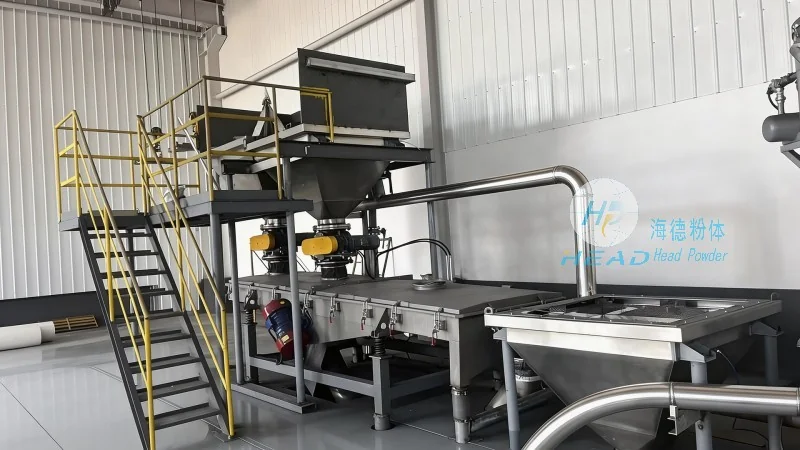
- Powder Loading: The raw powder is fed into the pneumatic conveying hopper. The hopper is designed to maintain a consistent powder level, ensuring a steady supply to the system.
- Air Injection: Compressed air is introduced into the hopper or the pipeline. The air creates a low-pressure zone that draws the powder particles into the pipeline.
- Powder Suspension: As the air flows through the pipeline, it suspends the powder particles, forming a dense phase or dilute phase flow. The system can operate in either dense phase or dilute phase mode, depending on the powder characteristics and required conveying distance.
- Transportation: The suspended powder is carried along the pipeline to the receiver or discharge unit. The pipeline design, including bends and fittings, is optimized to minimize pressure loss and maintain efficient flow.
- Discharge: At the destination, the powder is discharged from the pipeline into the receiver. The control unit may adjust the air flow to ensure a controlled and uniform discharge.
Operation Process of the Powder Conveying Line
The operation process of the Headpowder powder conveying line involves a series of steps that ensure the system runs smoothly and efficiently. The process typically starts with the preparation of the system, followed by the start-up sequence, and concludes with the shutdown and maintenance procedures.
1. System Preparation: Before starting the operation, the system is prepared by checking the components for any damage or blockages. The pneumatic conveying hopper is filled with the required powder, and the control unit is set to the appropriate parameters. The pipeline is inspected for leaks or obstructions.
2. Start-up Sequence: The start-up process begins with the activation of the air compressor, which supplies the necessary compressed air. The control unit then starts the conveyor system, gradually increasing the air flow to draw the powder into the pipeline. The system monitors the pressure and flow rate to ensure stable operation.
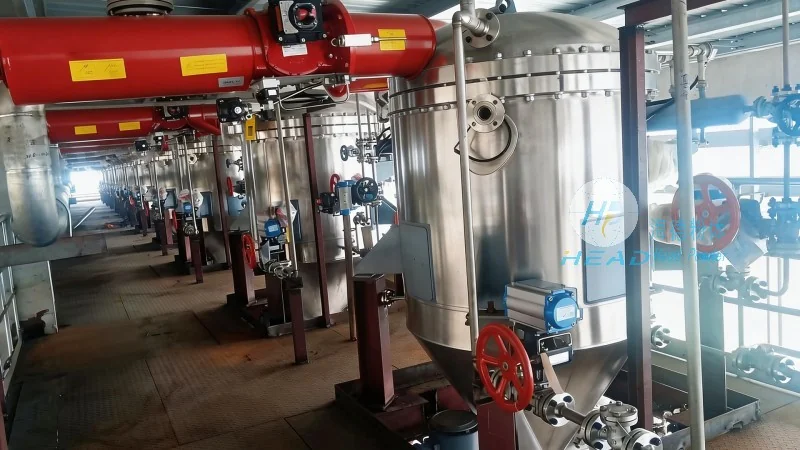
3. Normal Operation: During normal operation, the control unit continuously monitors the system parameters. If any deviation is detected, such as a drop in pressure or an increase in temperature, the control unit automatically adjusts the air flow or stops the system to prevent damage. The powder is conveyed at a consistent rate, ensuring that the receiver is filled at a controlled pace.
4. Shutdown Procedure: When the operation is complete, the system is shut down in a controlled manner. The air compressor is turned off first, followed by the conveyor system. The pipeline is purged to remove any remaining powder, and the control unit is reset to its default settings. Regular maintenance is performed to ensure the system is ready for the next operation.
Advantages of the Headpowder Powder Conveying Line
The Headpowder powder conveying line offers several advantages over traditional powder handling methods. These advantages include:
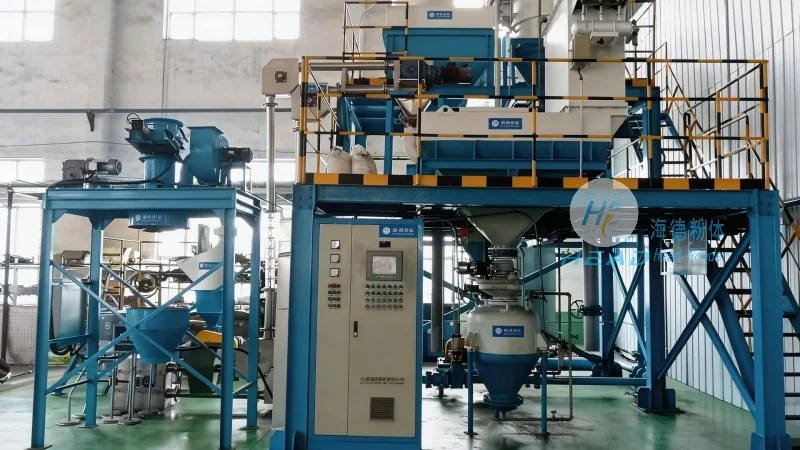
- Efficiency and Speed: The pneumatic conveying system allows for rapid and continuous powder transfer, significantly reducing the time required for material handling.
- Low Maintenance: The system is designed with minimal moving parts, reducing the need for frequent maintenance and increasing the overall lifespan of the equipment.
- Flexibility: The system can be easily adapted to different powder types and conveying distances by adjusting the air flow and pipeline design.
- Hygienic and Clean: The stainless steel construction and food-grade materials ensure that the system is suitable for handling food products like small beans, maintaining hygiene standards.
- Cost-Effective: By reducing labor and material handling time, the system helps to lower operational costs and improve overall productivity.
Applications of the Powder Conveying Line
The Headpowder powder conveying line is widely used in various industries, including food processing, chemical manufacturing, and pharmaceutical production. In the food industry, it is commonly used for the transportation of small beans, grains, and other food powders from storage to processing or packaging units. In chemical industries, it is used for the handling of powders like cement, fertilizer, and chemicals. The system's flexibility and efficiency make it suitable for a wide range of applications.
Conclusion
Headpowder's powder conveying line is a reliable and efficient solution for powder transportation needs. The system's advanced design and working principles ensure smooth and consistent operation, making it an ideal choice for various industries. With its focus on quality and customer satisfaction, Headpowder continues to provide innovative solutions that meet the evolving needs of the powder handling industry. Based in Shandong, China, the company remains committed to delivering high-quality products and services to its clients worldwide.