

Operation Process and Working Principle of Chromium Oxide Powder Conveying Line
Chromium oxide powder conveying lines are critical components in industrial processing, designed to efficiently transport fine powders like chromium oxide. These systems are engineered to maintain material integrity while ensuring safe and reliable operation. HeadPowder, a leading manufacturer based in Shandong, China, specializes in developing advanced conveying solutions tailored to the unique demands of powder handling applications.
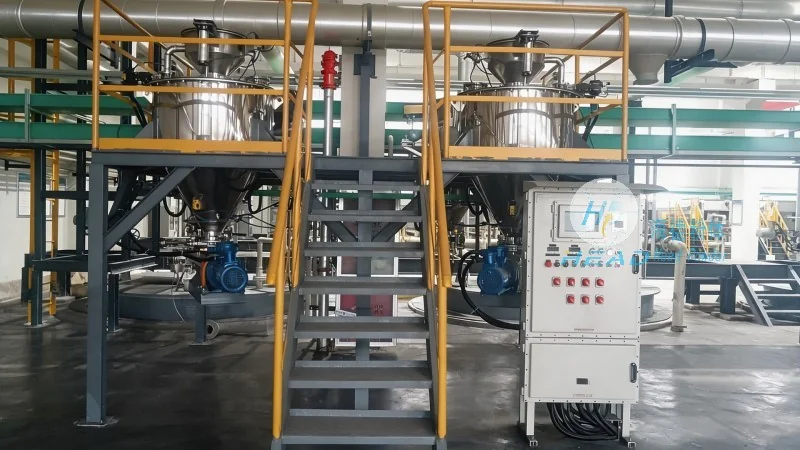
Introduction to the Chromium Oxide Powder Conveying Line
The conveying line for chromium oxide powder is a sophisticated system that integrates multiple functional modules to achieve seamless material transport. It typically includes feeding mechanisms, conveying equipment, control systems, and discharge units, all working in harmony to handle the specific properties of chromium oxide, such as its fine particle size and potential reactivity. The design of this line is optimized to minimize product degradation, prevent contamination, and ensure consistent flow rates, which are essential for downstream processing steps.
Key Components and Their Functions
The core components of the chromium oxide powder conveying line include the hopper or feeder, which provides a controlled feed of the powder; the conveying device, which may utilize pneumatic or mechanical methods to move the material; the control panel, which monitors and regulates the system's operation; and the discharge hopper or outlet, which delivers the material to the next stage of processing. Each component is carefully selected and configured to address the challenges associated with handling chromium oxide, such as its tendency to agglomerate or create dust during transport.
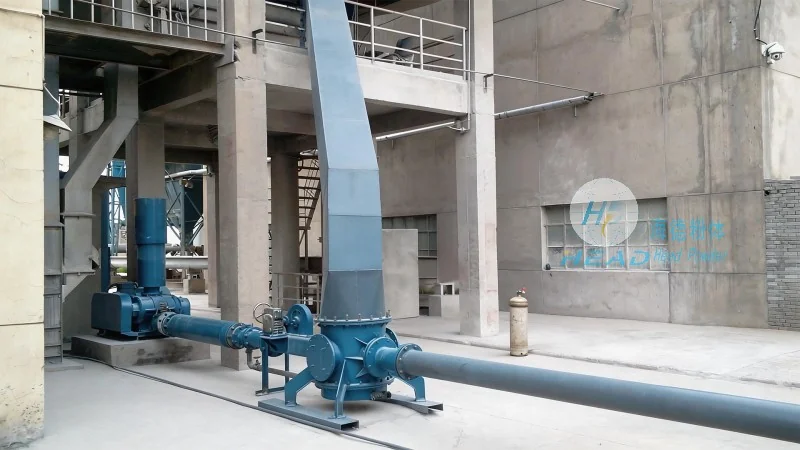
Step-by-Step Operation Process
The operation of the chromium oxide powder conveying line begins with the loading of the powder into the hopper. The feeder then regulates the flow rate, ensuring a steady supply to the conveying device. Depending on the system design, the conveying method may involve air pressure (pneumatic conveying) or mechanical components (like screw conveyors or belt conveyors). The control system continuously monitors parameters such as pressure, flow rate, and temperature to maintain optimal performance. When the material reaches the discharge point, it is collected in the receiving hopper, ready for further processing or packaging.
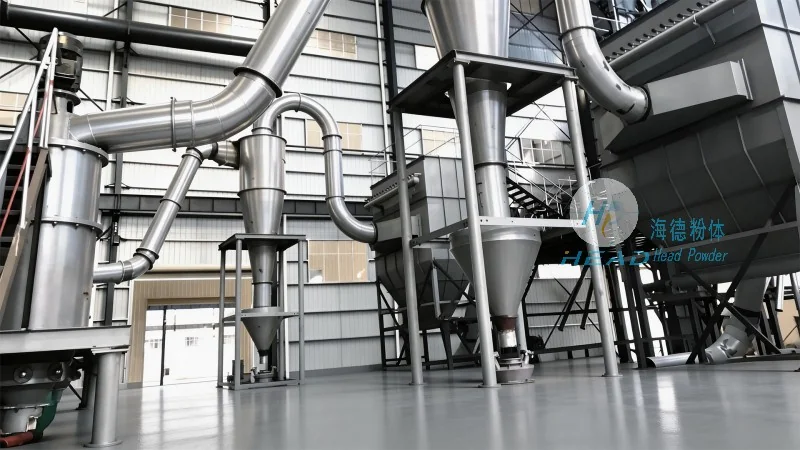
Working Principle Explained
The working principle of the chromium oxide powder conveying line revolves around the transfer of material from the source to the destination using either pneumatic or mechanical forces. In pneumatic systems, compressed air is used to create a flow that carries the powder particles through the pipeline. This method is particularly effective for fine powders like chromium oxide, as it minimizes friction and reduces the risk of material degradation. Mechanical systems, on the other hand, rely on rotating components (e.g., screws or belts) to move the powder, which is suitable for bulkier or more cohesive materials. The choice of system depends on factors such as the material's properties, the distance to be conveyed, and the required flow rate.
Technical Advantages and Practical Applications
HeadPowder's chromium oxide powder conveying lines offer several technical advantages, including high efficiency, low energy consumption, and minimal product loss. The systems are designed to handle varying particle sizes and moisture content, making them versatile for different industrial applications. These conveying lines are widely used in industries such as ceramics, pigments, and coatings, where chromium oxide is a key raw material. By ensuring consistent and reliable transport, the line helps improve production quality and reduce operational costs for manufacturers.