

Operation Process and Working Principle of Sodium Nitrate Powder Conveying Line
For industrial applications involving sodium nitrate, efficient and reliable powder conveying systems are essential to ensure smooth material handling and process continuity. This article provides a detailed overview of the operation process and working principle of a sodium nitrate powder conveying line, highlighting key components, operational steps, and the technical aspects that contribute to its effective performance.
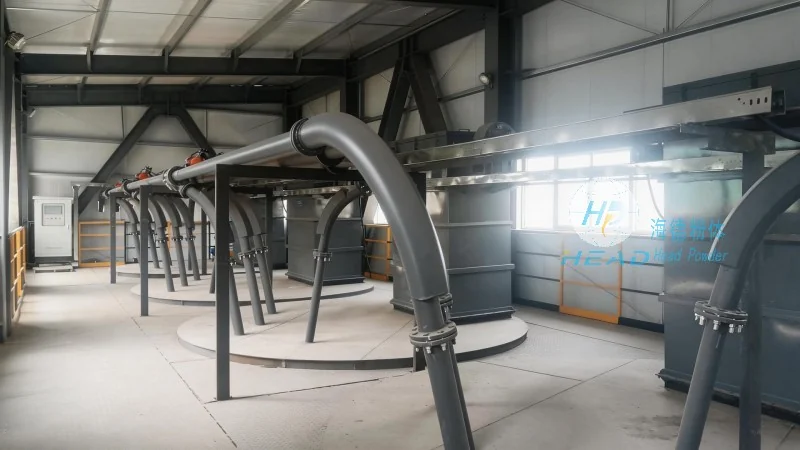
Overview of the Conveying System
The sodium nitrate powder conveying line is a specialized system designed to transport sodium nitrate, a white crystalline powder commonly used in fertilizers, explosives, and chemical manufacturing, from storage silos or bulk containers to processing units or packaging areas. The system typically integrates several key components, including feeders, conveyors, control panels, and safety devices, all working in tandem to achieve seamless material transfer.
Key Components and Their Functions
1. Feeder Unit: The feeder is the initial component that receives sodium nitrate from the storage silo or hopper. It ensures a consistent and controlled flow of the powder into the conveying system, preventing overloading or blockages. Common types include rotary feeders or vibratory feeders, which are chosen based on the material's flow characteristics and the required discharge rate.
2. Pneumatic Conveying System: Many sodium nitrate conveying lines utilize pneumatic systems, where air pressure is used to transport the powder through pipelines. This method is particularly effective for handling fine powders like sodium nitrate, as it minimizes material degradation and ensures a clean, dust-free transfer. The system includes a blower, filter, and pressure vessels to manage air flow and maintain system integrity.
3. Conveyor Pipeline: The pipeline is the main channel through which sodium nitrate travels. It is constructed from materials resistant to corrosion and abrasion, such as stainless steel or special plastic composites, to withstand the chemical properties of sodium nitrate and the mechanical stress of continuous operation. The pipeline is often equipped with bends and elbows to navigate the layout of the facility while maintaining minimal pressure loss.
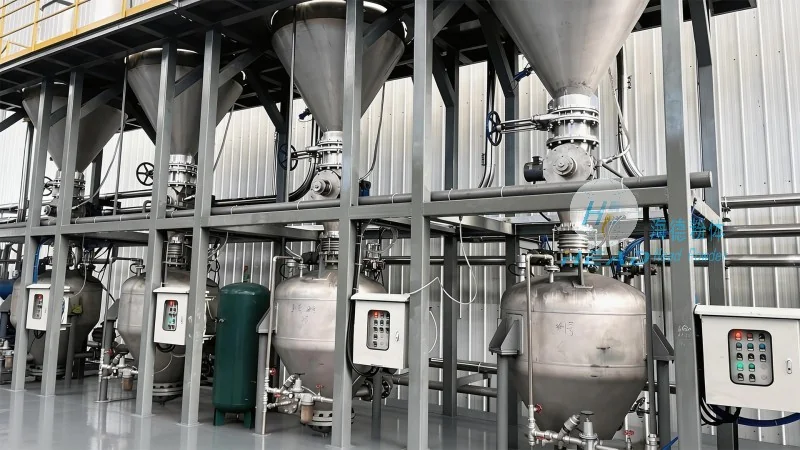
4. Control Panel and Sensors: The control panel houses the system's electrical and electronic components, including variable frequency drives (VFDs), sensors for level and flow monitoring, and safety interlocks. These elements allow operators to adjust the conveying speed, monitor the material level in silos, and detect any anomalies such as blockages or pressure spikes, ensuring safe and efficient operation.
Operation Process Step-by-Step
The operation of the sodium nitrate powder conveying line follows a systematic sequence to ensure reliable material transfer:
1. Preparation and Startup: Before initiating the conveying process, the system is prepared by checking the condition of all components, ensuring the feeder is properly aligned, and verifying that the pneumatic system has sufficient air pressure. The control panel is then set to the desired operating parameters, such as the conveying speed and material flow rate.
2. Material Feeding: The feeder unit starts, and sodium nitrate is drawn from the storage silo into the pipeline. The feeder's speed is adjusted to maintain a steady flow, preventing overfilling or underfilling that could lead to system inefficiencies or blockages.
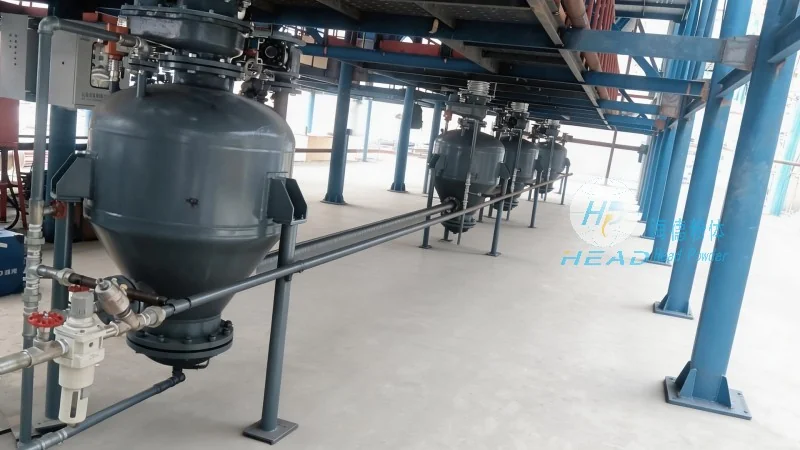
3. Pneumatic Conveying: The blower in the pneumatic system activates, creating a pressure differential that propels the sodium nitrate through the pipeline. The powder is carried by the air stream, moving from the feed point to the discharge point, which may be a processing unit or a packaging station.
4. Discharge and Collection: At the discharge end, the sodium nitrate is released into a receiving hopper or container. The system may include a dust collector or filtration unit to capture any airborne particles, ensuring compliance with environmental regulations and maintaining a clean working environment.
5. Shutdown and Maintenance: Once the conveying operation is complete, the system is shut down in an orderly manner. The control panel is set to idle mode, and the pneumatic system is depressurized. Routine maintenance, such as cleaning the feeder, checking the blower, and inspecting the pipeline for wear or damage, is performed to ensure the system remains in optimal condition for future operations.
Working Principle Explained
The working principle of the sodium nitrate powder conveying line is based on the principles of fluid dynamics and mechanical transport. The system operates by converting the solid powder into a suspended state within a moving air stream, allowing it to be transported through the pipeline. This method, known as pneumatic conveying, leverages the kinetic energy of the air to overcome the gravitational and frictional forces that would otherwise impede the powder's movement.
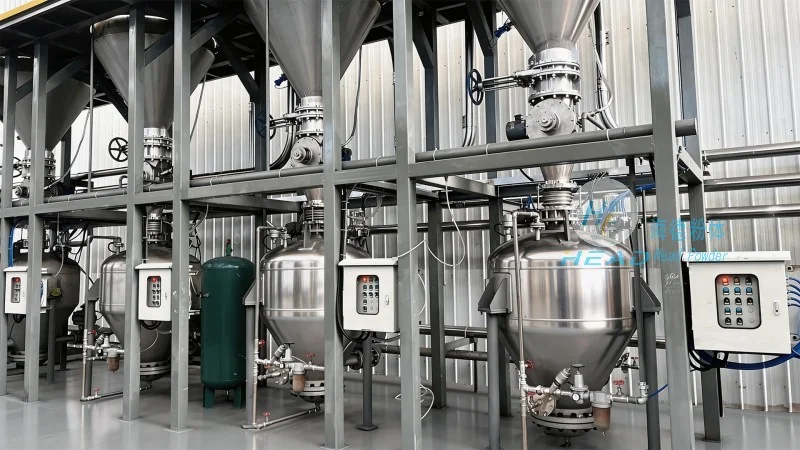
Key factors influencing the conveying efficiency include the air velocity, the particle size and density of sodium nitrate, and the pipeline diameter. Proper design of the system ensures that the air velocity is sufficient to keep the powder suspended without causing excessive pressure loss or energy consumption. The control panel plays a critical role in maintaining these parameters by adjusting the blower speed or feeder rate in real-time, responding to changes in material flow or system conditions.
Benefits and Applications
The sodium nitrate powder conveying line offers several advantages in industrial settings, including high conveying capacity, minimal material degradation, and the ability to handle fine powders without the need for mechanical contact. These benefits make it suitable for applications in the chemical, fertilizer, and explosives industries, where reliable and efficient material handling is crucial for production continuity and product quality.
Companies such as Shandong HeadPowder Engineering Co., Ltd., a leading provider of powder handling solutions, specialize in designing and manufacturing customized conveying systems tailored to the specific needs of sodium nitrate applications. With a focus on durability, efficiency, and safety, their systems are engineered to meet the demands of modern industrial processes, ensuring long-term performance and minimal downtime.
The address of Shandong HeadPowder Engineering Co., Ltd. is in Shandong, China, where the company leverages its expertise in powder technology to deliver innovative solutions for material handling challenges. By integrating advanced control systems and robust components, their sodium nitrate conveying lines provide industries with a reliable and cost-effective means of transporting sodium nitrate, supporting their operational goals and enhancing overall productivity.