

Operation Process and Working Principle of PTA Powder Pneumatic Conveying Line
For industrial applications involving the handling of PTA powder, efficient and reliable material transport is crucial. The pneumatic conveying line, specifically designed for PTA powder, represents a sophisticated solution that integrates advanced engineering principles to ensure seamless material movement. This article delves into the operation process and working principle of such a system, highlighting the technical aspects and operational efficiency that make it a preferred choice in the industry.
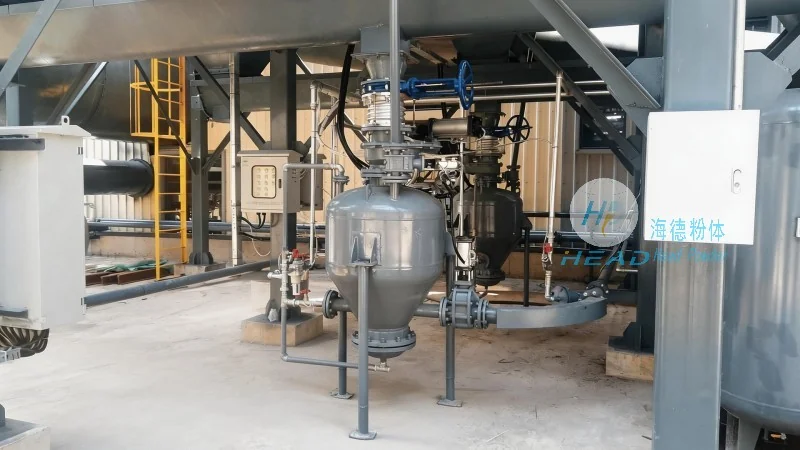
Introduction to PTA Powder Pneumatic Conveying Line
PTA (Polyethylene Terephthalate Acid) powder is a critical raw material in the production of polyester fibers and resins. Handling this fine powder requires specialized equipment to prevent dust generation, maintain material integrity, and ensure consistent flow. The pneumatic conveying line, manufactured by Shandong HeadPowder Engineering Co., Ltd., a leading company in powder handling solutions, offers a compact and effective method for transporting PTA powder over short to medium distances. The system combines air flow and pressure to move the powder through a network of pipes, eliminating the need for mechanical components like conveyors or elevators.
Key Components of the PTA Powder Pneumatic Conveying System
The PTA powder pneumatic conveying line consists of several key components that work in tandem to achieve efficient material transport. These components include the material feed hopper, the air compressor or blower, the conveying line (typically made of stainless steel or other corrosion-resistant materials), and the discharge hopper or collection vessel. The feed hopper is designed to store and meter the PTA powder, ensuring a consistent flow rate into the system. The air compressor provides the necessary pressure and airflow to propel the powder particles through the conveying line. The stainless steel pipes are chosen for their resistance to corrosion and abrasion, which are common issues when handling fine powders like PTA. The discharge hopper collects the conveyed powder, allowing for easy downstream processing or storage.
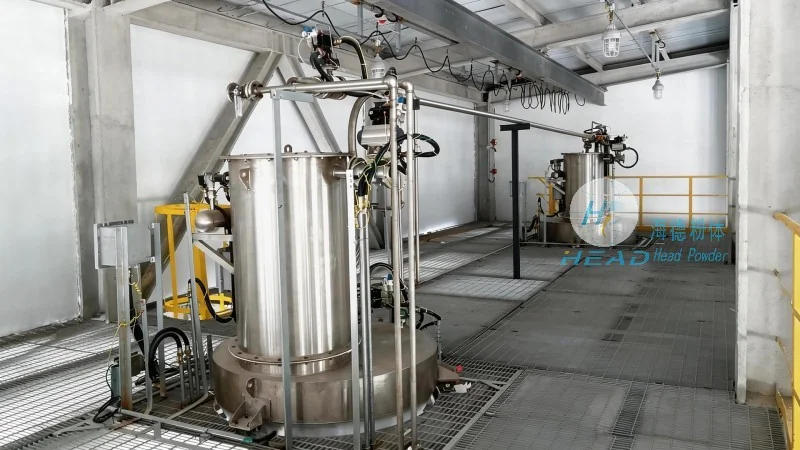
Operation Process of the PTA Powder Pneumatic Conveying Line
The operation of the PTA powder pneumatic conveying line follows a systematic process that ensures smooth and continuous material transport. The process begins with the loading of PTA powder into the feed hopper. The hopper is equipped with a metering valve that controls the flow rate of the powder into the system. Simultaneously, the air compressor starts and generates a high-pressure airflow. The powder is then introduced into the conveying line by opening the feed valve, and the air flow propels the powder particles through the pipes. The powder and air mixture travels through the entire conveying line, maintaining a consistent velocity to prevent particle separation or deposition. At the discharge end, the mixture enters the collection hopper, where the air is separated from the powder. The air is typically filtered and recycled back to the compressor, while the PTA powder is collected for further use. The system operates continuously, with the feed and discharge rates adjusted to match the production requirements, ensuring optimal performance and minimal downtime.
Working Principle of the PTA Powder Pneumatic Conveying Line
The working principle of the PTA powder pneumatic conveying line is based on the fundamental concept of fluidization and particle suspension. When air is introduced into the conveying line at a high velocity, it creates a turbulent flow that suspends the PTA powder particles in the air stream. This suspension effect allows the powder to be transported as a dense phase or dilute phase, depending on the system design and operating conditions. In a dense phase system, the powder is conveyed at a higher concentration, reducing the air volume required and minimizing the risk of particle degradation. In a dilute phase system, the powder is conveyed at a lower concentration, allowing for longer distances but requiring more air volume. The key to the system's efficiency lies in maintaining the correct air-to-powder ratio, which is achieved through precise control of the air compressor and feed hopper settings. The stainless steel construction of the conveying line ensures that the PTA powder remains free from contamination, while the air filtration system maintains a clean working environment. Overall, the working principle combines the principles of fluid dynamics and material handling to provide a reliable and efficient method for transporting PTA powder.
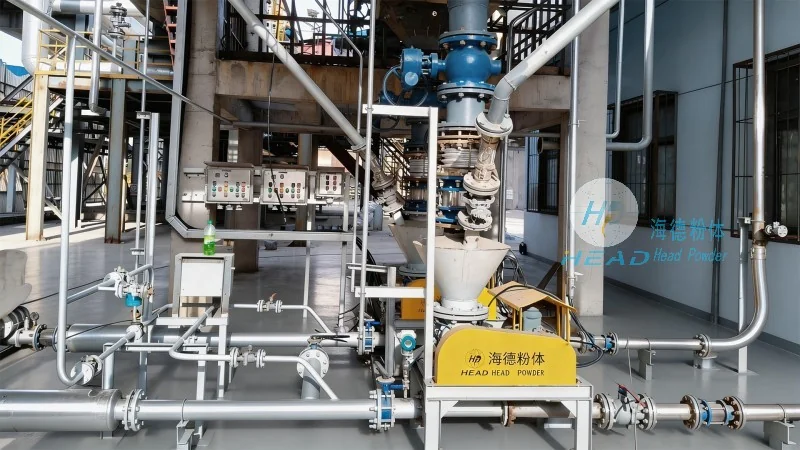
Advantages of the PTA Powder Pneumatic Conveying Line
The PTA powder pneumatic conveying line offers several advantages over traditional mechanical conveying methods. One of the primary benefits is the elimination of mechanical components, which reduces maintenance costs and the risk of mechanical failure. The system is also compact and can be installed in confined spaces, making it suitable for various industrial settings. Additionally, the pneumatic conveying line provides a dust-free environment, which is essential for handling fine powders like PTA to prevent health hazards and product contamination. The system's ability to handle both dense and dilute phases allows for flexibility in application, accommodating different production requirements. Furthermore, the stainless steel construction ensures durability and resistance to corrosion, extending the system's service life. The continuous operation and adjustable feed rates also contribute to improved productivity and reduced downtime, making the PTA powder pneumatic conveying line a cost-effective solution for industrial applications.
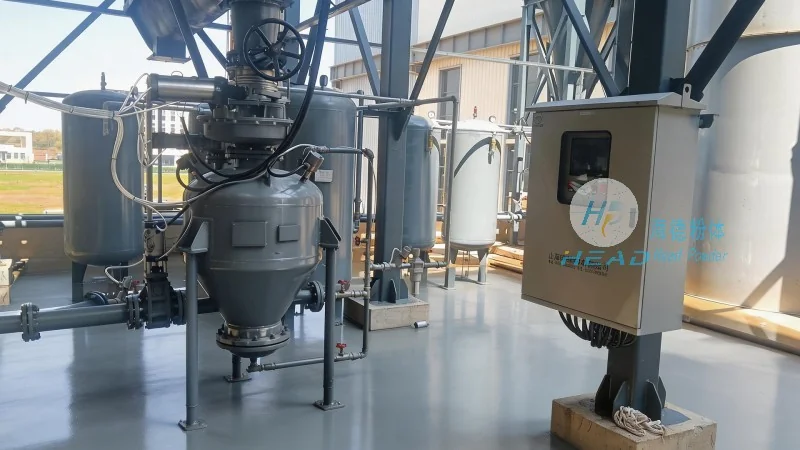
Application and Industrial Use Cases
The PTA powder pneumatic conveying line is widely used in various industrial sectors, particularly in the chemical and textile industries. In the chemical industry, it is used for transporting PTA powder from storage silos to processing units, ensuring a consistent supply of raw material. In the textile industry, the system is employed in the production of polyester fibers, where PTA powder is converted into polymer pellets and then into fibers. The system's ability to handle fine powders with minimal degradation makes it ideal for applications where material quality is critical. Additionally, the system is used in research and development laboratories for testing and prototyping new materials, providing a reliable method for material transport. The compact design and flexibility of the system also make it suitable for small-scale production facilities, where space is limited. Overall, the PTA powder pneumatic conveying line is a versatile solution that meets the diverse needs of industrial applications, providing efficient and reliable material transport for PTA powder.
Conclusion
In conclusion, the PTA powder pneumatic conveying line is a sophisticated and efficient solution for handling PTA powder in industrial applications. The system, manufactured by Shandong HeadPowder Engineering Co., Ltd., combines advanced engineering principles with robust construction to ensure seamless material transport. The operation process involves precise control of feed and air flow, while the working principle is based on fluidization and particle suspension. The system offers several advantages over traditional methods, including reduced maintenance, compact design, and dust-free operation. With its ability to handle both dense and dilute phases, the PTA powder pneumatic conveying line is suitable for various industrial applications, including chemical and textile production. As a leading company in powder handling solutions, Shandong HeadPowder Engineering Co., Ltd. continues to provide high-quality systems that meet the evolving needs of the industry, ensuring reliable and efficient material transport for PTA powder.