

Principle and Working Scene Characteristics of Desulfurization Sodium Bicarbonate Powder Pneumatic C
HeadPowder, or Shandong HeadPowder Engineering Co., Ltd., a leading provider in the field of industrial material handling solutions, specializes in the design and implementation of advanced pneumatic conveying systems. This article delves into the fundamental principles and operational characteristics of a desulfurization sodium bicarbonate powder pneumatic conveying system, highlighting its technical advantages and typical application scenarios. The company is based in Shandong, China, and has extensive experience in providing customized material handling solutions for various industrial sectors.
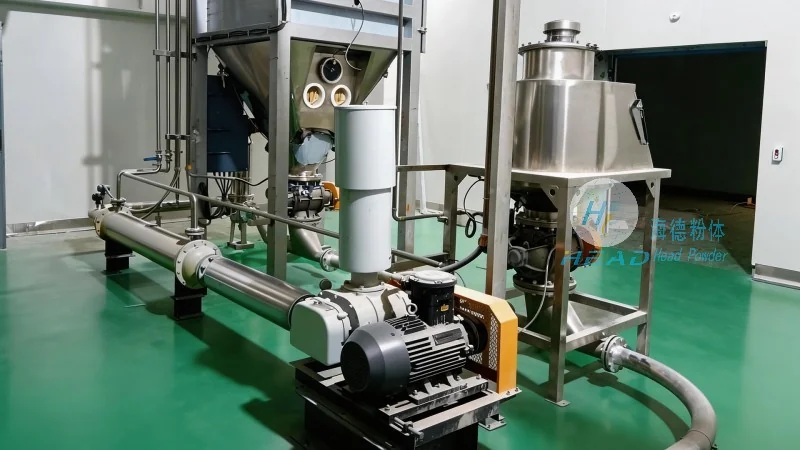
Core Principle of Pneumatic Conveying
The desulfurization sodium bicarbonate powder pneumatic conveying system operates on the principle of transporting bulk materials through a pipeline using a pressurized or vacuum air stream. In this system, sodium bicarbonate, commonly used in flue gas desulfurization processes, is pneumatically conveyed from a storage silo or hopper to the point of use, such as a reaction tower or processing unit. The system typically employs a positive pressure mode, where compressed air is introduced into the conveying line to create a flow that lifts and transports the powder particles. This method eliminates the need for mechanical components like conveyor belts or screw conveyors, reducing maintenance costs and minimizing the risk of material contamination.
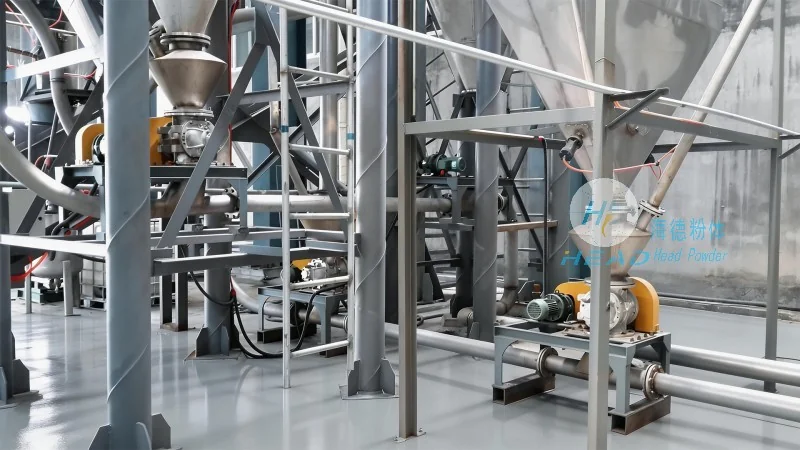
Key Components and Their Functions
The pneumatic conveying system for desulfurization sodium bicarbonate consists of several critical components that work in tandem to ensure efficient material transport. These include the storage silo or hopper, which holds the sodium bicarbonate powder; the air compressor or blower, which generates the pressurized air; the conveying pipeline, which transports the material; the control valves and regulators, which manage the air flow and pressure; and the receiver or destination vessel, where the powder is deposited. Each component plays a vital role in maintaining the system's performance and reliability. For instance, the storage silo is equipped with a feeding device, such as a rotary valve or a screw feeder, to control the material discharge rate. The air compressor ensures a consistent air pressure, which is crucial for maintaining the conveying velocity and preventing particle segregation or blockages in the pipeline.
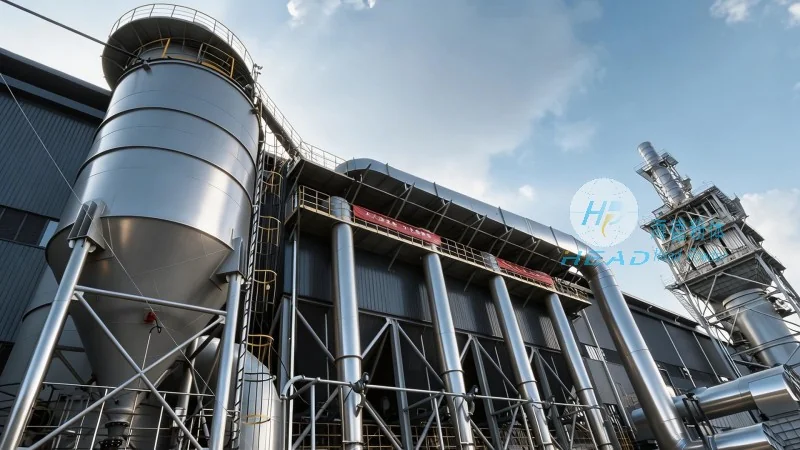
Working Scene Characteristics
The desulfurization sodium bicarbonate powder pneumatic conveying system is particularly suited for industrial environments where large volumes of powder need to be transported over short to medium distances. Typical applications include power plants, chemical manufacturing facilities, and water treatment plants, where sodium bicarbonate is used as a desulfurizing agent in flue gas treatment processes. The system's ability to handle fine powders without clogging or degradation makes it ideal for these applications. Additionally, the system operates in a closed environment, which helps to contain dust and prevent environmental contamination, aligning with modern industrial safety and environmental regulations.
Advantages of the Pneumatic Conveying System
Compared to traditional mechanical conveying methods, the pneumatic conveying system offers several advantages that make it a preferred choice for transporting desulfurization sodium bicarbonate. First, it provides a high degree of flexibility in terms of layout and routing, as the pipeline can be installed in various configurations without the need for complex machinery. Second, the system is highly efficient in terms of energy consumption, as the air compressor can be sized to match the exact conveying requirements, reducing energy waste. Third, it minimizes material degradation and contamination, as the powder is transported in a sealed environment, protecting it from moisture, air, and other external factors. Fourth, the system is easy to maintain and operate, with minimal moving parts that require regular servicing. These advantages contribute to lower operational costs and increased productivity in industrial settings.
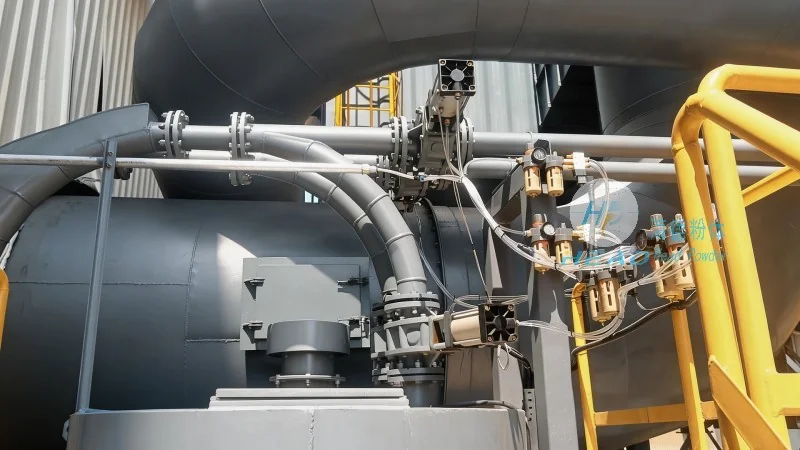
Application Scenarios and Operational Considerations
The desulfurization sodium bicarbonate powder pneumatic conveying system is commonly used in scenarios where the material needs to be transported from a central storage area to multiple processing points or reaction towers. For example, in a power plant, the system can transport sodium bicarbonate from a large storage silo to several desulfurization towers, ensuring a continuous supply of the desulfurizing agent. The system's design allows for the integration of multiple conveying lines from a single storage point, enabling the distribution of material to different parts of the facility. Operational considerations include the selection of appropriate air pressure and flow rates to match the material's properties, such as particle size, density, and moisture content. Proper system sizing and maintenance are essential to prevent issues like pipeline blockages, air leaks, or material buildup, which can affect the system's performance and efficiency.