

Principles and Working Scene Characteristics of Desulfurization and Dust Removal Fly Ash Powder Pneu
Desulfurization and dust removal processes in thermal power plants generate large quantities of fly ash, which is a fine powder that requires efficient handling and transportation. Pneumatic conveying is a widely adopted method for transporting such powders due to its ability to handle high volumes, maintain material integrity, and minimize environmental contamination. This article explores the principles of pneumatic conveying for fly ash and highlights the key working scene characteristics of this technology.
Principles of Pneumatic Conveying for Fly Ash
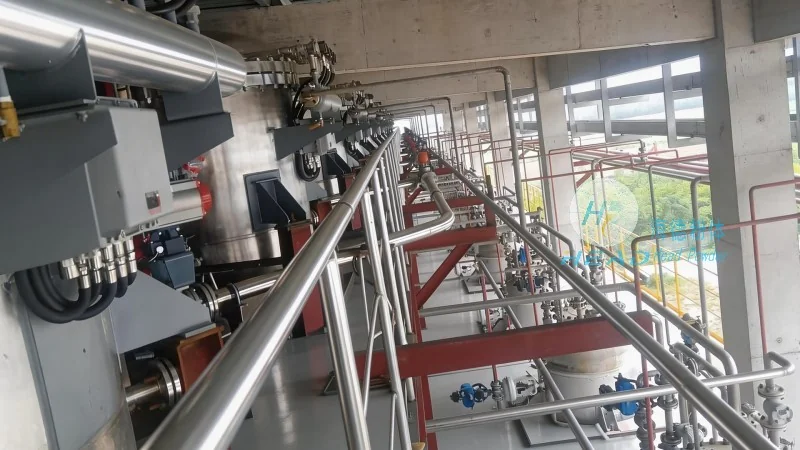
The core principle of pneumatic conveying involves transporting solid particles through a pipeline using a gas stream, typically air or a mixture of air and other gases. In the context of fly ash, the system operates by creating a pressure differential between the inlet and outlet of the conveying line. A blower or compressor generates the necessary air pressure, which then draws the fly ash particles into the pipeline. The velocity of the air stream is critical; it must be sufficient to overcome the gravitational forces acting on the particles and maintain them in suspension. This suspension ensures that the particles do not settle or deposit within the pipeline, preventing blockages and ensuring smooth flow.
There are two main types of pneumatic conveying systems: dilute-phase and dense-phase. Dilute-phase systems operate at higher air velocities, typically 20-30 m/s, and are suitable for long-distance transport over several kilometers. The particles are carried in a dispersed state, similar to a cloud of dust. Dense-phase systems, on the other hand, operate at lower velocities (5-15 m/s) and use higher air-to-solid ratios, resulting in a more concentrated flow where particles are more closely packed. This method is ideal for short-distance transport or when handling abrasive or sensitive materials, as it reduces particle impact and wear on the pipeline.
Working Scene Characteristics of Pneumatic Conveying Systems
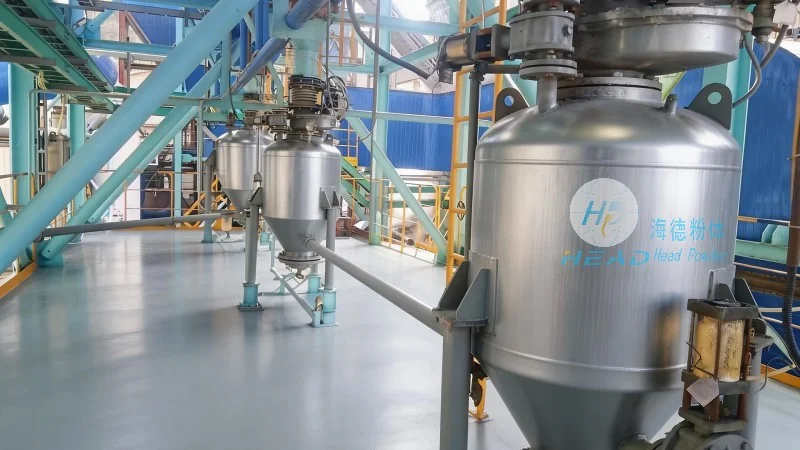
The application of pneumatic conveying for fly ash is characterized by several key working scene aspects that influence system design and performance. First, the source of the fly ash is typically a large storage silo or hopper, where the material is collected after the desulfurization and dust removal processes. The conveying system must be integrated with these storage facilities to ensure a continuous and reliable supply of fly ash. This integration often involves a hopper with a discharge valve or a rotary valve that controls the flow rate of the material into the conveying line.
Second, the destination of the fly ash is usually a disposal site, a reutilization facility, or a storage silo for future use. The system must be designed to transport the material to these locations efficiently, considering factors such as distance, elevation changes, and the required discharge rate. For example, if the disposal site is located at a higher elevation than the source, the system may need to incorporate a vertical lift component or a series of vertical pipes to overcome the gravitational barrier.
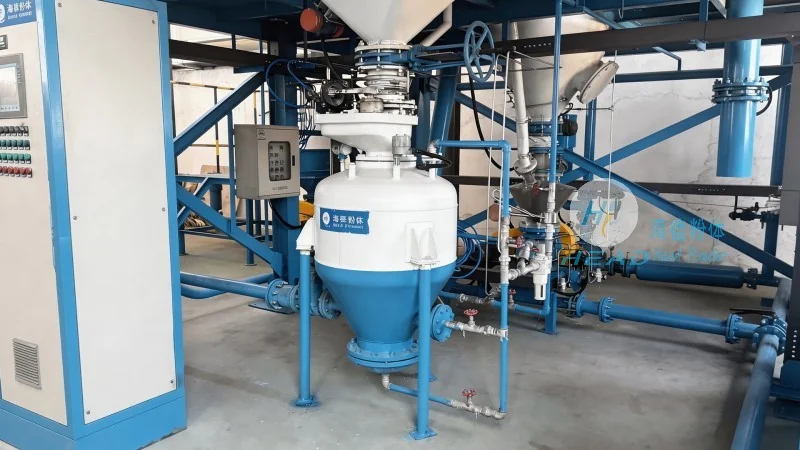
Third, the environmental and safety considerations are paramount in fly ash handling. Pneumatic conveying systems are enclosed, which prevents dust emissions into the atmosphere and minimizes the risk of dust explosions. The system design includes features such as explosion-proof blowers, dust filters, and pressure relief valves to ensure compliance with safety regulations. Additionally, the material handling process must be dust-free, as fly ash is a fine powder that can cause respiratory issues if inhaled. The enclosed nature of the system helps maintain a clean working environment and reduces the need for additional dust control measures.
Fourth, the operational efficiency and maintenance requirements are critical factors in the working scene. Pneumatic conveying systems are generally low-maintenance compared to other material handling methods, such as belt conveyors or bucket elevators. However, regular maintenance is necessary to ensure the longevity of components like the blower, pipeline, and valves. The system must be designed to handle the abrasive nature of fly ash, which can cause wear on the pipeline interior and moving parts. Materials such as stainless steel or special coatings are often used for the pipeline and components to extend their service life.
Company Profile: Shandong HeadPowder Engineering Co., Ltd.
Shandong HeadPowder Engineering Co., Ltd., commonly known as HeadPowder, is a leading provider of engineering solutions for fly ash handling and transportation. With a focus on pneumatic conveying systems, the company specializes in designing and manufacturing customized solutions tailored to the specific needs of thermal power plants and industrial facilities. HeadPowder's expertise lies in integrating advanced technology with practical applications to ensure efficient, reliable, and safe fly ash management.
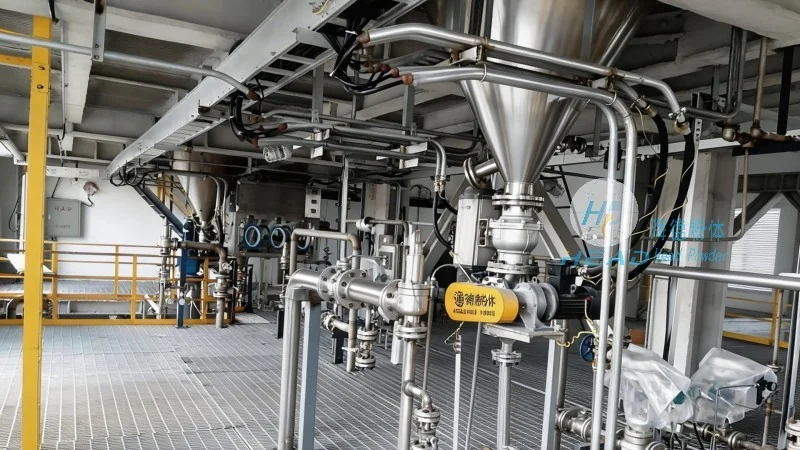
The company's headquarters is located in Shandong, China, where it has established a strong presence in the industry. HeadPowder's team of engineers and technicians brings years of experience in material handling and process engineering, enabling them to develop innovative solutions that address the unique challenges of fly ash transportation. The company's commitment to quality and customer satisfaction has earned it a reputation as a trusted partner in the power generation sector.
HeadPowder's products and services include the design, supply, and installation of pneumatic conveying systems, as well as maintenance and support services. The company works closely with clients to understand their operational requirements and provides tailored solutions that optimize material flow, reduce downtime, and enhance overall system performance. By leveraging its expertise in fly ash handling, HeadPowder helps clients achieve cost savings and improve their environmental compliance.