

Principles and Working Scene Characteristics of Dust-Free Metering Powder Pneumatic Conveying
HeadPowder, a leading provider in the field, specializes in advanced pneumatic conveying systems designed for precise and dust-free handling of powders. This article explores the fundamental principles behind these systems and highlights key working scene characteristics that define their application in various industrial settings. The focus is on understanding how these technologies ensure efficient, clean, and reliable powder transport, addressing the critical needs of modern manufacturing processes.
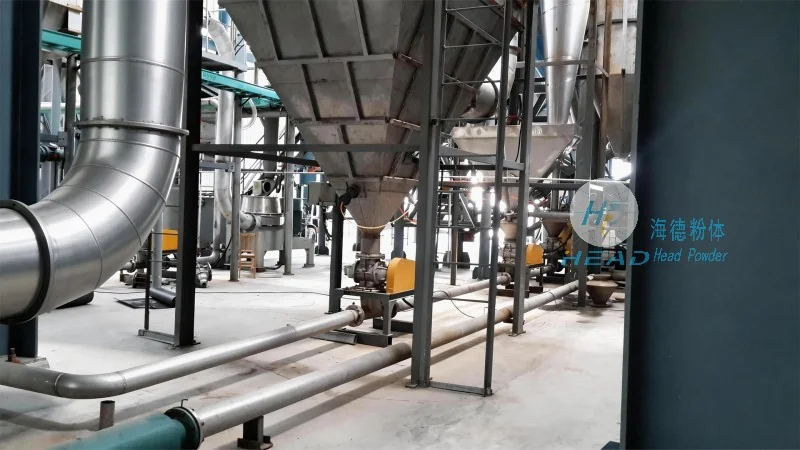
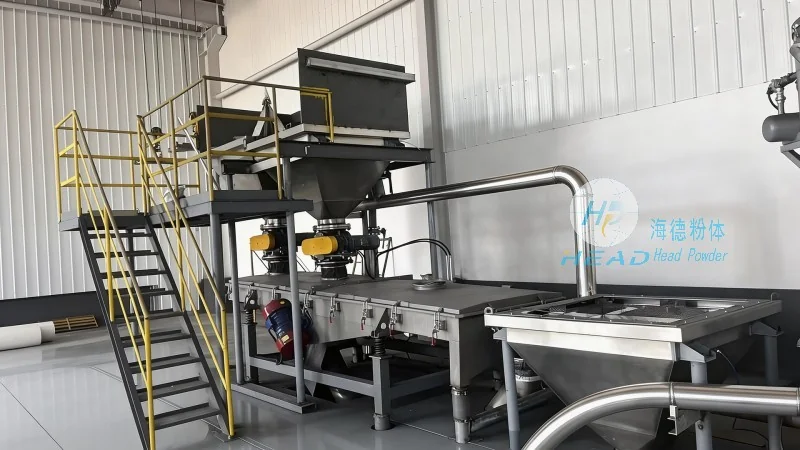
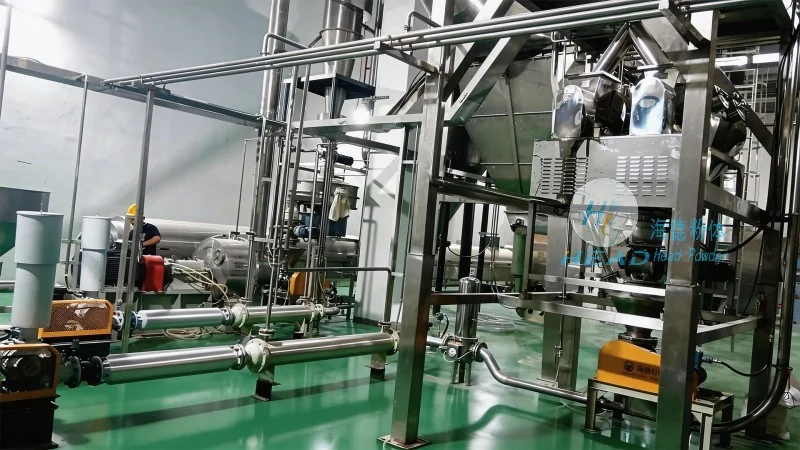
Company Overview: Shandong HeadPowder Engineering Co., Ltd.
HeadPowder, with its headquarters in Shandong, China, is dedicated to delivering innovative solutions for powder handling challenges. The company's expertise lies in developing and manufacturing high-quality pneumatic conveying equipment tailored to meet the stringent requirements of modern industrial processes. By focusing on precision, efficiency, and dust control, HeadPowder has established itself as a trusted partner for businesses seeking reliable powder transport solutions. The company's commitment to research and development ensures that its products remain at the forefront of technological advancements in the industry.
The Core Principles of Dust-Free Metering Pneumatic Conveying
At the heart of dust-free metering pneumatic conveying lies a sophisticated combination of air dynamics and mechanical precision. The system operates by using compressed air to transport powders through a closed pipeline network, ensuring that the material is moved without direct contact with the environment. Key principles include: 1. Positive Pressure Conveying: The system maintains a positive pressure within the pipeline, preventing external air from entering and minimizing dust leakage. This design is crucial for maintaining material purity and preventing contamination. 2. Controlled Airflow and Powder Ratio: Precise control of air volume and powder feed rate ensures consistent conveying performance, preventing overloading or under-conveying. Advanced control mechanisms allow for real-time adjustments to optimize the powder-to-air ratio, which directly impacts system efficiency and energy consumption. 3. Dust Suppression and Filtration: Integrated filtration systems capture any airborne particles, maintaining a clean and safe working environment. High-efficiency filters, such as baghouse or cartridge filters, are typically used to ensure that the exhaust air is free from dust, complying with environmental regulations and workplace safety standards. 4. System Integration and Automation: Modern systems often incorporate advanced control mechanisms to optimize operation, reduce energy consumption, and enhance overall process reliability. This includes the use of programmable logic controllers (PLCs) and sensors that monitor pressure, flow, and temperature, providing data-driven insights for process improvement.