Calcium oxide, commonly known as quicklime, is a widely used industrial chemical with diverse applications in sectors such as construction, metallurgy, and chemical manufacturing. The efficient and safe transportation of calcium oxide powder is crucial for industrial processes, and pneumatic conveying systems have emerged as a preferred method for handling such powders. This article provides an overview of calcium oxide powder pneumatic conveying, explaining the fundamental principles behind this technology and its significance in modern industrial operations.
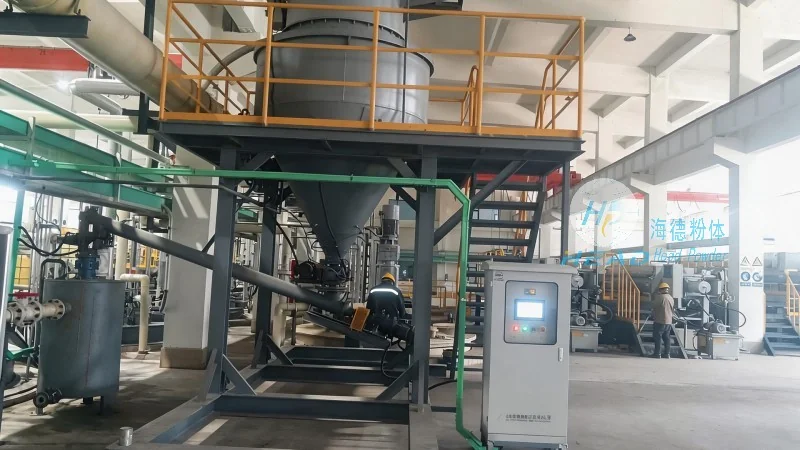
Understanding Pneumatic Conveying Systems
Pneumatic conveying, or powder handling systems, involves the transport of solid particles through a pipeline using a gas, typically air or a combination of air and other gases. The system operates by creating a pressure differential that propels the powder particles along the pipeline. For calcium oxide powder, which is often fine and can be dusty, pneumatic conveying offers advantages over traditional methods like belt conveyors or bucket elevators, especially in terms of dust control and material integrity preservation.
Key Components of a Pneumatic Conveying System
A typical pneumatic conveying system for calcium oxide powder consists of several essential components. These include a hopper or feeder to store and meter the powder, a blower or compressor to generate the necessary air pressure, a pipeline network to guide the powder flow, a receiver or discharge unit to collect the conveyed material, and control valves and sensors to regulate the process. The design of each component is critical to ensure efficient and reliable operation, particularly when handling materials like calcium oxide that may have specific flow characteristics or require precise control over moisture and temperature.
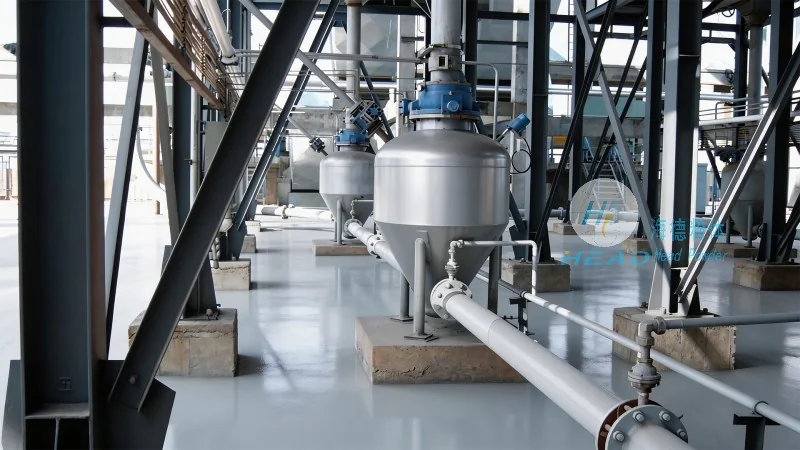
Working Principle of Calcium Oxide Powder Pneumatic Conveying
The operation of a calcium oxide powder pneumatic conveying system follows a systematic process. First, the calcium oxide powder is fed from the hopper into the pipeline through a feeder. The blower then supplies compressed air into the pipeline, creating a high-pressure environment. As the air flows through the pipeline, it entrains the powder particles, forming a slurry of air and powder. This mixture is then transported through the pipeline to the receiver, where the air is separated from the powder, typically through a cyclone or filter system. The separated powder is collected in the receiver, while the air is either vented to the atmosphere or recycled back into the system to improve efficiency. The entire process is controlled by sensors that monitor pressure, flow rate, and other parameters to maintain optimal performance and prevent issues such as blockages or material degradation.
Advantages of Pneumatic Conveying for Calcium Oxide Powder
Compared to other powder handling methods, pneumatic conveying offers several advantages when applied to calcium oxide powder. One of the primary benefits is the ability to handle fine powders without the need for mechanical contact, which helps maintain the purity and quality of the material. Additionally, pneumatic systems provide excellent dust control, reducing the risk of airborne contamination and improving workplace safety. The system also allows for flexible and compact layouts, as the pipeline can be routed around obstacles, and it can transport materials over long distances with minimal energy loss. Furthermore, pneumatic conveying can be integrated with other processing equipment, such as mixers or reactors, to create a seamless production line, enhancing overall operational efficiency.
Applications and Industries Using Calcium Oxide Powder Pneumatic Conveying
Calcium oxide powder is utilized in various industrial applications, and pneumatic conveying systems are employed to transport it efficiently in these processes. In the construction industry, calcium oxide is used as a component in cement production and as a flux in steel manufacturing. Pneumatic conveying ensures that the powder is delivered to the production line without loss or contamination. In chemical manufacturing, calcium oxide is used in the production of calcium carbide and other chemicals, where precise control over the powder flow is essential for consistent product quality. Other industries, such as food processing and pharmaceuticals, may also use calcium oxide as a processing aid, and pneumatic conveying helps maintain the material's integrity during transport.
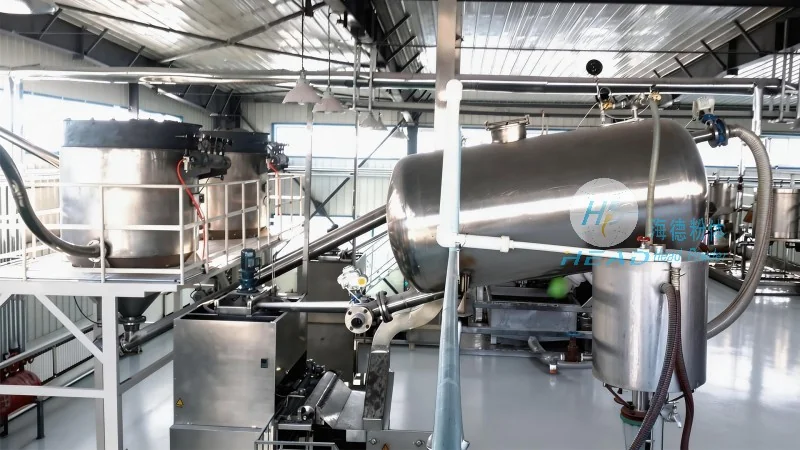
Considerations for Designing a Pneumatic Conveying System for Calcium Oxide Powder
Designing an effective pneumatic conveying system for calcium oxide powder requires careful consideration of several factors. The particle size and density of the powder are critical, as they affect the air velocity needed to entrain the particles and the pressure drop along the pipeline. The system's capacity and the distance to be covered also influence the selection of the blower size and pipeline diameter. Additionally, the system must be designed to handle potential issues such as material buildup or blockages, which can occur due to the fine nature of calcium oxide powder. Proper maintenance, including regular cleaning of the pipeline and filters, is essential to ensure long-term system reliability. The choice of materials for the pipeline and components is also important, as calcium oxide can be corrosive and may require specialized materials like stainless steel or coated pipes to prevent degradation.
Conclusion and Company Overview
Pneumatic conveying systems represent a sophisticated and efficient solution for transporting calcium oxide powder in industrial settings. By leveraging the principles of air flow and particle entrainment, these systems provide reliable, dust-free, and flexible powder handling capabilities. For industries relying on calcium oxide powder, investing in a well-designed pneumatic conveying system can enhance operational efficiency, improve product quality, and ensure workplace safety. As a leading provider in this field, Shandong HeadPowder Engineering Co., Ltd. specializes in the design, manufacturing, and installation of advanced powder handling systems tailored to the specific needs of clients. With a focus on innovation and quality, the company serves a wide range of industries, including construction, metallurgy, and chemical manufacturing, helping businesses optimize their material transport processes and achieve their production goals. Based in Shandong, China, HeadPowder combines years of experience and technical expertise to deliver customized solutions that meet the highest standards of performance and reliability.




