

Principles and Working Scene Characteristics of Bulk Powder Pneumatic Conveying by Gray Tank Trucks
Bulk powder pneumatic conveying using gray tank trucks is a specialized method for transporting dry powders over various distances and in diverse industrial settings. This technology is crucial for industries that rely on the efficient movement of materials like cement, mineral powders, and chemical powders. The process involves the use of compressed air or other gases to transport bulk materials through a pipeline system, eliminating the need for traditional bulk carriers such as trucks or railcars.
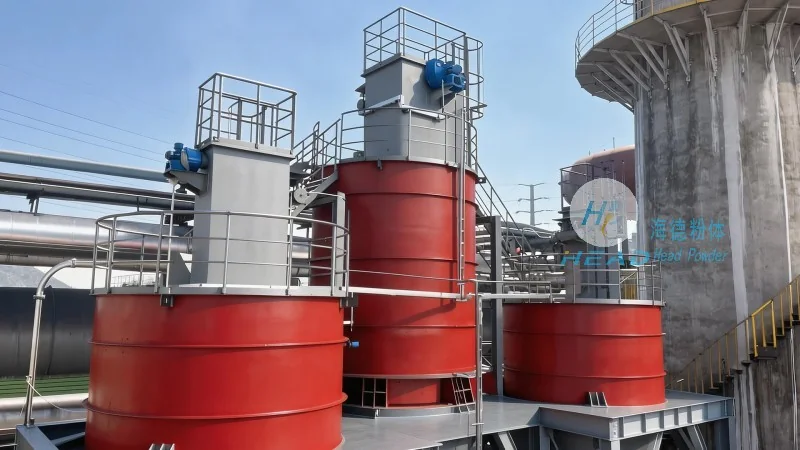
The Fundamental Principles of Pneumatic Conveying in Gray Tank Trucks
The core principle of pneumatic conveying is the use of air or gas to create a flow that transports solid particles. In gray tank trucks, this is achieved through a system that includes a tank, a compressor, and a pipeline network. The tank is designed to hold the bulk powder, while the compressor generates the necessary pressure to move the material. The process typically operates under either positive pressure (where air is forced into the tank to push the powder out) or negative pressure (where air is drawn out to create a vacuum that pulls the powder). The choice between these methods depends on the specific characteristics of the powder and the distance and complexity of the transport route.
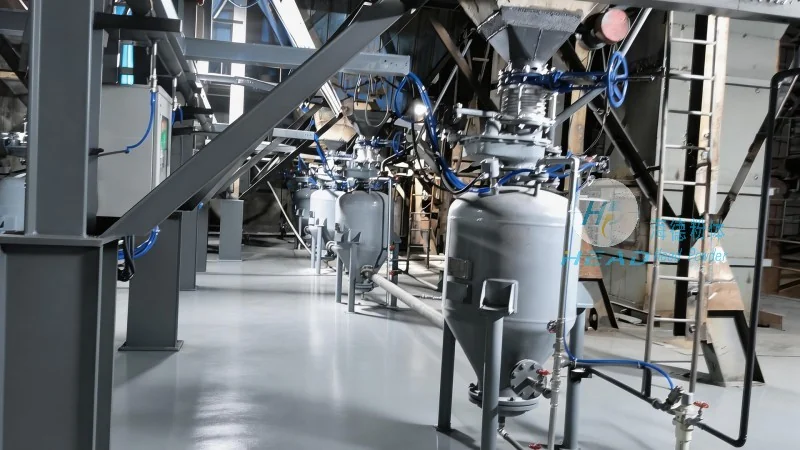
Key Components and Their Functions in Gray Tank Truck Systems
Several critical components work together to ensure the efficient operation of a gray tank truck for pneumatic conveying. The tank itself is a pressure vessel that can withstand the internal pressure generated by the conveying system. It is equipped with a hopper at the bottom to facilitate the discharge of powder. The compressor unit provides the necessary air pressure, often ranging from 5 to 10 bar depending on the application. The pipeline system connects the tank to the discharge point and includes valves, filters, and check valves to control the flow and prevent backflow. Additionally, the system may include a dust collection or filtration unit to ensure that the transported powder remains clean and free from contaminants.
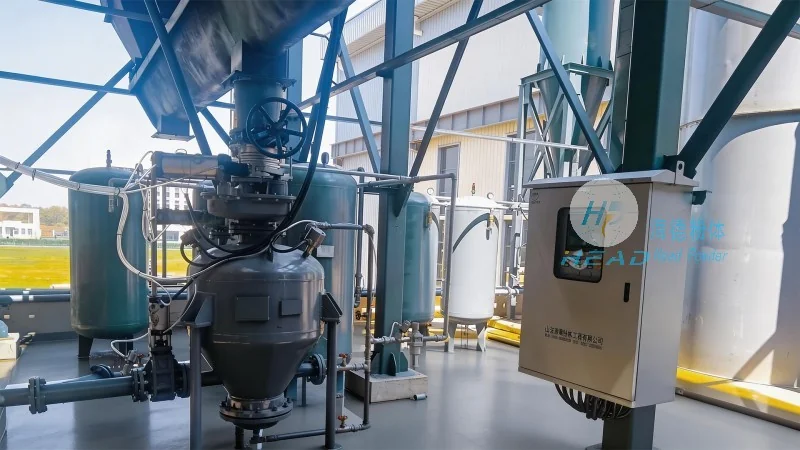
Working Scene Characteristics and Application Scenarios
Gray tank trucks with pneumatic conveying capabilities are widely used in various industrial scenarios. One common application is in the construction industry, where they transport large quantities of cement to building sites. The ability to deliver dry powders without the need for water or other additives makes this method efficient and cost-effective. Another key application is in the mining and mineral processing sectors, where they transport ore concentrates or other mineral powders from processing plants to storage or processing facilities. The flexibility of the system allows for long-distance transport, often over hundreds of kilometers, without the need for intermediate storage or handling.
Advantages and Challenges in Pneumatic Conveying with Gray Tank Trucks
There are several advantages to using gray tank trucks for bulk powder pneumatic conveying. One of the primary benefits is the reduction in transportation costs compared to traditional methods, as the system can transport large volumes of material in a single trip. Additionally, the process is more environmentally friendly, as it eliminates the need for water or other chemicals in the transport process and reduces the risk of dust pollution. However, there are also challenges associated with this technology. For example, the system requires regular maintenance to ensure that the compressor and pipeline components are functioning properly. Additionally, the choice of conveying method (positive or negative pressure) must be carefully considered to avoid issues such as particle segregation or blockages in the pipeline.
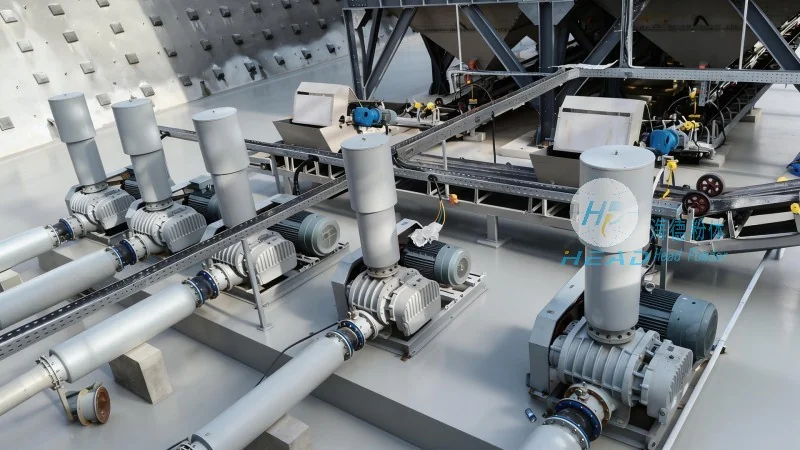
Case Studies and Real-World Applications
Shandong HeadPowder Engineering Co., Ltd., a leading provider of bulk material handling solutions, has successfully implemented gray tank truck systems for pneumatic conveying in various projects. One notable case involved the transportation of cement from a production plant in Shandong, China, to construction sites in neighboring provinces. The system was able to transport over 1,000 tons of cement per day, significantly reducing the transportation time and cost compared to traditional trucking methods. Another project involved the transport of mineral powders from a mining operation in the region to a processing plant, where the system was able to maintain a consistent flow rate and minimize downtime due to its robust design.