

Principle and Application Scenarios of Pneumatic Conveying for Small-Bag Powder Materials
Understanding the fundamental principles and operational characteristics of pneumatic conveying systems is crucial for industries dealing with small-bag powder materials. This article delves into the mechanics behind these systems, highlighting how they efficiently transport powders while addressing key application scenarios. By exploring the technical aspects and practical implementations, readers gain insights into the effectiveness and versatility of pneumatic conveying technology in material handling processes.
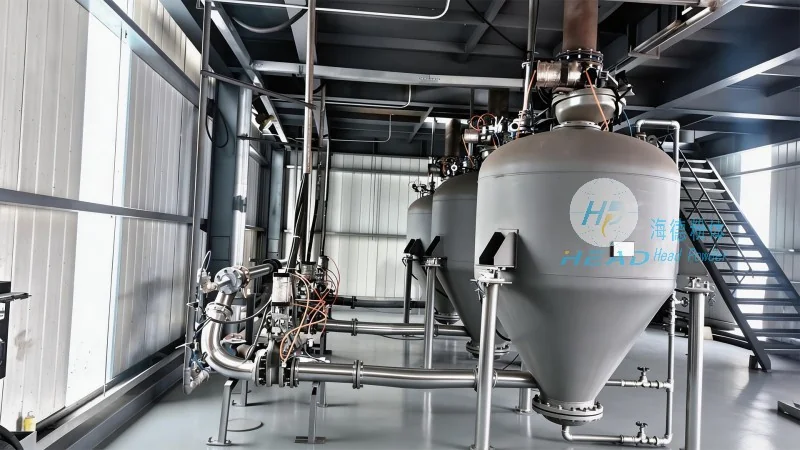
Core Principles of Pneumatic Conveying for Small-Bag Powder Materials
The operation of pneumatic conveying systems for small-bag powder materials relies on the fundamental principle of using air or gas to transport particulate materials through a pipeline. This method, often referred to as pneumatic transport, involves creating a flow of air that carries the powder particles from a source to a destination. The system typically consists of a hopper, a conveyor line, and a discharge point, with the air flow generated by a blower or compressor. The key to efficient transport lies in maintaining the right air velocity and pressure to ensure the powder remains suspended and moves smoothly through the system. This approach eliminates the need for mechanical components like belts or screws, reducing maintenance and operational costs while improving material integrity.
Key Components and Their Functions in Small-Bag Pneumatic Conveying Systems
Several critical components work in tandem to ensure the smooth operation of pneumatic conveying systems for small-bag powder materials. The hopper serves as the storage and feeding unit, where the powder is loaded and prepared for transport. It is designed to maintain a consistent flow of material into the conveyor line, preventing blockages and ensuring a steady supply. The conveyor line, typically made of metal or plastic, is the main pathway for the powder and air mixture. Its design, including diameter and length, is optimized to handle the specific characteristics of the powder, such as particle size, density, and moisture content. The blower or compressor generates the necessary air pressure and flow rate, which is crucial for maintaining the powder in suspension. Additionally, the system may include filters and cyclones to separate the powder from the air at the discharge point, ensuring that the material is delivered without contamination and that the air is cleaned before release.
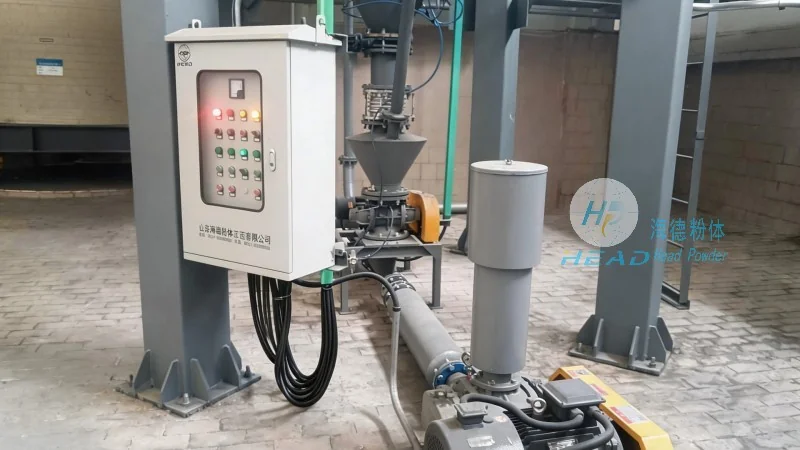
Application Scenarios and Operational Advantages of Small-Bag Pneumatic Conveying
Pneumatic conveying systems for small-bag powder materials are widely used across various industries due to their adaptability and efficiency. One common application is in pharmaceutical manufacturing, where the need for sterile and contamination-free transport is paramount. The system’s ability to handle sensitive powders without mechanical contact ensures product integrity and compliance with regulatory standards. In the food industry, similar requirements exist, as powders like flour, sugar, or spices must be transported hygienically and without cross-contamination. The system’s flexibility also makes it suitable for chemical processing, where handling abrasive or corrosive powders requires robust and reliable equipment. Another key advantage is the ability to transport materials over long distances without the need for intermediate storage or handling, reducing the risk of material degradation and improving overall process efficiency. Furthermore, the system’s compact design allows for easy integration into existing facilities, minimizing space requirements and installation costs.
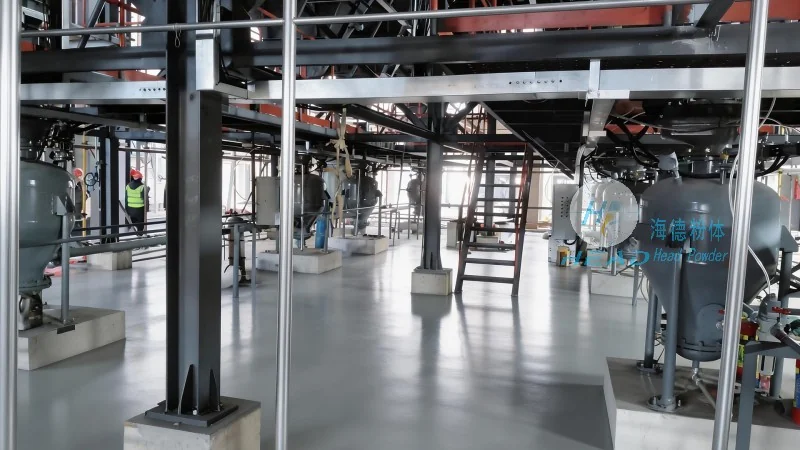
Operational Considerations and Best Practices for Small-Bag Pneumatic Conveying
Successfully implementing and maintaining pneumatic conveying systems for small-bag powder materials requires careful consideration of several operational factors. First, the selection of the appropriate air velocity is critical. Too low a velocity may cause the powder to settle and block the line, while too high a velocity can lead to excessive wear on components and increased energy consumption. Engineers typically calculate the required velocity based on the powder’s properties and the system’s design. Second, the system’s pressure and flow rate must be optimized to match the material’s characteristics. For example, cohesive powders may require higher air pressure to maintain suspension, whereas low-density powders may need lower pressure to avoid excessive air usage. Regular maintenance is also essential to ensure the system operates efficiently. This includes cleaning filters, checking for leaks in the pipeline, and inspecting the blower or compressor for wear and tear. Additionally, monitoring the system’s performance through flow meters and pressure gauges helps identify potential issues early, preventing downtime and ensuring consistent material transport.
About Shandong HeadPowder Engineering Co., Ltd.
Shandong HeadPowder Engineering Co., Ltd., commonly known as headpowder, is a leading provider of pneumatic conveying solutions tailored for small-bag powder materials. With a focus on innovation and customer satisfaction, the company specializes in designing, manufacturing, and installing custom pneumatic conveying systems that meet the unique needs of various industries. Headpowder’s team of experts works closely with clients to understand their material handling challenges and develop tailored solutions that enhance efficiency, reduce costs, and improve product quality. The company’s commitment to quality and reliability has made it a trusted partner in the material handling industry, serving clients across China and beyond. Headpowder’s headquarters is located in Shandong, China, where the company operates its research and development facilities, manufacturing plants, and customer support centers.