Mobile material handling conveyors represent a sophisticated solution in modern material handling systems, designed to enhance efficiency and flexibility in various industrial environments. These systems are engineered to transport materials with precision and reliability, adapting to diverse operational needs and spatial constraints. Understanding their principles and application scenarios is crucial for optimizing workflow and improving overall productivity in manufacturing, logistics, and warehousing settings.
Core Principles of Mobile Material Handling Conveyors
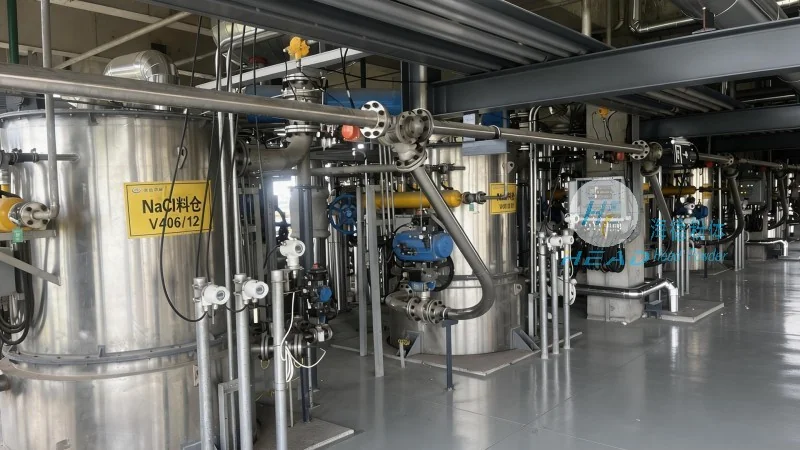
The fundamental principles of mobile material handling conveyors revolve around mobility, adaptability, and integrated control systems. Unlike fixed conveyors, these systems are equipped with mechanisms that allow them to move, reposition, or adjust their layout as required. This mobility is achieved through advanced engineering, often incorporating electric or hydraulic drives that enable smooth and precise movement. The design emphasizes modularity, allowing components such as rollers, belts, or chains to be easily reconfigured or expanded. Additionally, modern mobile conveyors are typically integrated with smart control systems, including sensors and programmable logic controllers (PLCs), which enable real-time monitoring, automated adjustments, and seamless coordination with other equipment in the production line.
Key Working Scenario Characteristics
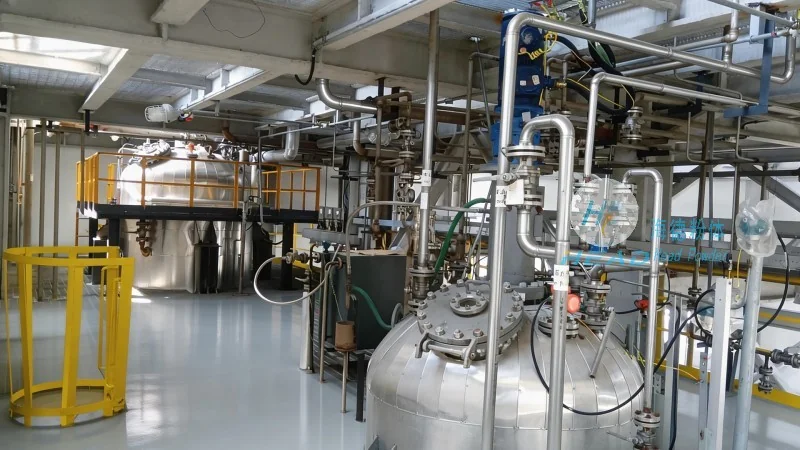
Mobile material handling conveyors are particularly suited for dynamic and evolving work environments where traditional fixed systems may be inefficient or impractical. Their application scenarios span a wide range of industries, including automotive manufacturing, electronics assembly, pharmaceutical production, and logistics centers. In automotive plants, for instance, mobile conveyors can be repositioned to support different stages of vehicle assembly, such as body welding, paint application, or final inspection, adapting to the changing workflow as production lines evolve. In electronics manufacturing, these systems are ideal for transporting small components or finished products between assembly stations, where space is limited and frequent reconfiguration is necessary. The flexibility of mobile conveyors also makes them valuable in pharmaceutical facilities, where strict regulatory compliance and the need for cleanroom environments demand systems that can be easily sanitized and reconfigured without disrupting operations. Furthermore, in logistics centers, mobile conveyors can optimize material flow by dynamically adjusting to shifts in inventory levels or order processing demands, ensuring efficient distribution and order fulfillment.
Advantages and Operational Benefits
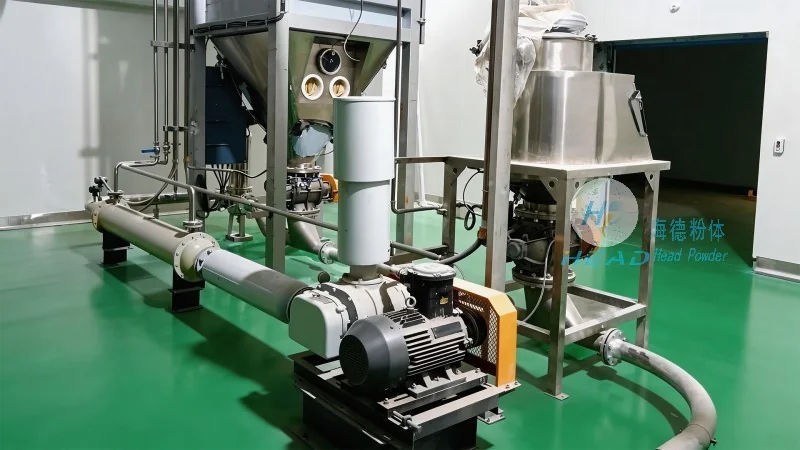
Implementing mobile material handling conveyors offers several key advantages that contribute to enhanced operational efficiency and cost savings. One of the primary benefits is increased flexibility, allowing facilities to adapt to changing production demands or reorganize workspaces without significant capital investment in new infrastructure. This adaptability reduces downtime and minimizes the need for extensive reconfiguration, which is often required with fixed systems. Another significant advantage is improved space utilization. By being mobile, these conveyors can be positioned to maximize available floor space, eliminating dead zones and optimizing the use of vertical or horizontal areas. This is especially beneficial in compact manufacturing environments where every square meter of space is critical. Additionally, the integration of smart control systems enables real-time monitoring and data collection, providing valuable insights into operational performance. This data can be used to identify bottlenecks, optimize material flow, and predict maintenance needs, leading to proactive maintenance and reduced equipment downtime. The reliability of mobile conveyors, combined with their ability to handle various material types and weights, further enhances their appeal in demanding industrial applications.
Conclusion and Company Overview
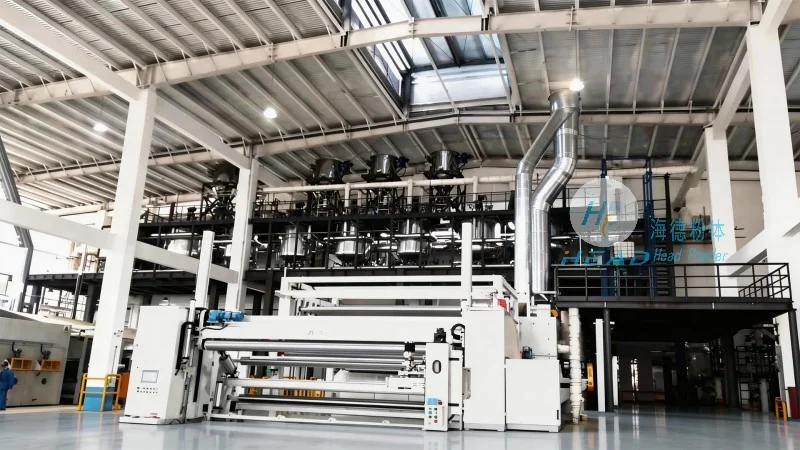
Mobile material handling conveyors represent a cutting-edge solution for modern industrial operations, offering a blend of mobility, adaptability, and advanced control capabilities. Their ability to enhance efficiency, optimize space utilization, and support dynamic workflow changes makes them an essential component in many industries. As the demand for flexible and efficient material handling systems continues to grow, these technologies are becoming increasingly integral to maintaining competitive advantage and operational excellence. Shandong HeadPowder Engineering Co., Ltd., a leading provider in this field, specializes in designing and manufacturing high-quality mobile material handling systems tailored to the specific needs of various industrial sectors. With a commitment to innovation and customer satisfaction, the company ensures that its products meet the highest standards of performance and reliability, supporting clients in achieving their operational goals and maximizing productivity. Based in Shandong, China, HeadPowder Engineering leverages advanced engineering expertise and state-of-the-art manufacturing processes to deliver solutions that address the evolving challenges of modern material handling.




