

Principles and Working Scene Characteristics of Dry Sludge Material Conveying Lines
For industrial facilities dealing with sludge management, efficient and reliable material handling is crucial. The dry sludge material conveying line, a specialized system designed by Shandong HeadPowder Engineering Co., Ltd. (hereinafter referred to as headpowder), addresses the challenges of transporting dry sludge while ensuring operational safety and environmental compliance. This article explores the fundamental principles of such systems and highlights key working scene characteristics that make them suitable for various industrial applications.
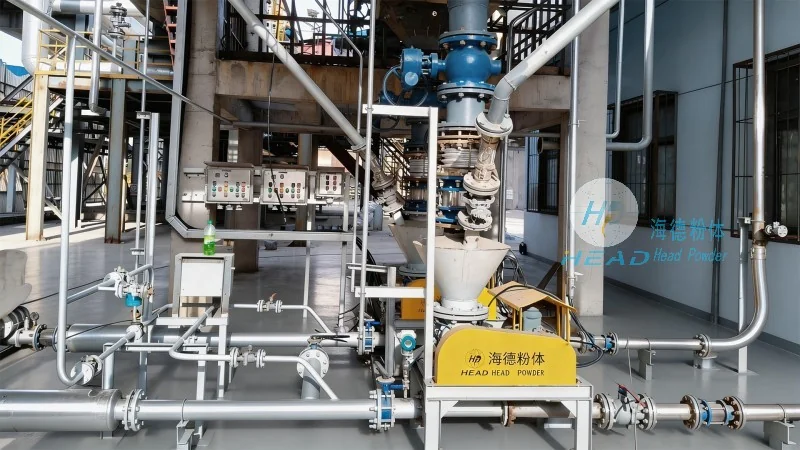
Principles of Dry Sludge Material Conveying
The core principle of a dry sludge material conveying line lies in its ability to transport dry, granular or powdery sludge through a series of mechanical or pneumatic components. Typically, these systems incorporate advanced engineering to handle the unique properties of dry sludge, such as its low moisture content, potential for dust generation, and varying particle sizes. The primary mechanisms include:
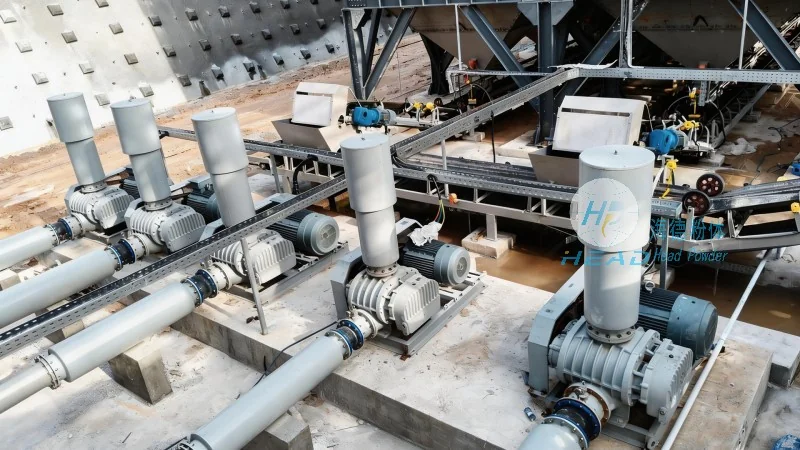
- Screw Conveyors: Utilizing rotating screws to push material along a trough, screw conveyors are ideal for horizontal or slight incline transport. They provide consistent flow rates and are suitable for handling dry sludge with minimal dust emissions when properly sealed.
- Pneumatic Conveying: Air-based systems use compressed air to move dry sludge through pipes. This method is particularly effective for long-distance transport and can handle fine particles, though it requires careful control of air pressure and flow to prevent material degradation or blockages.
- Bucket Elevators: Vertical or inclined elevators that use buckets attached to a chain or belt to lift dry sludge. These are efficient for vertical transport and can handle heavy loads, making them suitable for applications where elevation changes are necessary.
Each mechanism operates on the principle of continuous material movement, ensuring that dry sludge is transferred from one processing stage to another without manual intervention. The design of these systems often incorporates features like sealed enclosures, variable speed drives, and material sensors to maintain optimal performance and safety.
Working Scene Characteristics of Dry Sludge Material Conveying Lines
The effectiveness of dry sludge material conveying lines is heavily influenced by the specific working scenes in which they are deployed. These characteristics include:
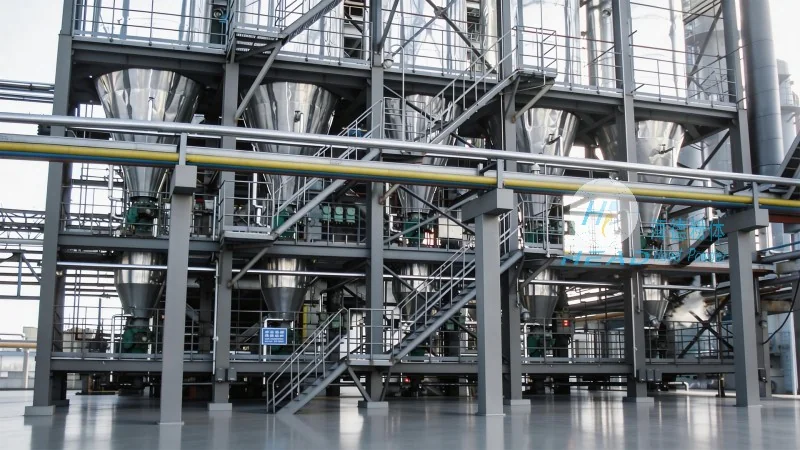
- Industrial Environment: The system is commonly used in wastewater treatment plants, municipal solid waste facilities, and industrial manufacturing sites where sludge is generated as a byproduct. The working environment may involve high humidity, dust, or chemical exposure, requiring robust construction materials and corrosion-resistant components.
- Process Integration: Dry sludge conveying lines are often integrated into larger sludge treatment processes, such as dewatering, drying, or incineration. Their ability to handle dry material at various stages ensures seamless flow between equipment, minimizing downtime and improving overall process efficiency.
- Capacity and Scalability: Depending on the scale of the operation, these systems can be designed to handle varying capacities, from small-scale laboratory applications to large industrial plants processing thousands of tons of dry sludge per day. Scalability is achieved through modular components that can be added or modified to meet changing production demands.
- Operational Flexibility: Working scenes may require flexibility in terms of transport direction, speed, or material type. Advanced control systems allow operators to adjust conveying parameters in real-time, adapting to fluctuations in sludge characteristics or process requirements. This flexibility enhances the system's adaptability to diverse industrial needs.
- Environmental and Safety Considerations: In many working scenes, environmental regulations mandate the use of dust control measures and emission reduction. Dry sludge conveying lines are designed with features like dust collection systems, sealed hoods, and explosion-proof components to comply with these standards. Safety is also prioritized through emergency stop mechanisms, overload protection, and regular maintenance protocols.
Key Advantages in Practical Applications
When deployed in real-world working scenes, dry sludge material conveying lines offer several advantages that contribute to operational success. These include: