

Principle and Working Scene Characteristics of Aluminum Battery Material Conveying Lines
HeadPowder, a leading engineering firm based in Shandong, China, specializes in the design and implementation of advanced material handling systems tailored for the aluminum battery industry. This article explores the fundamental principles behind aluminum battery material conveying lines and highlights the key characteristics of their operational environments.
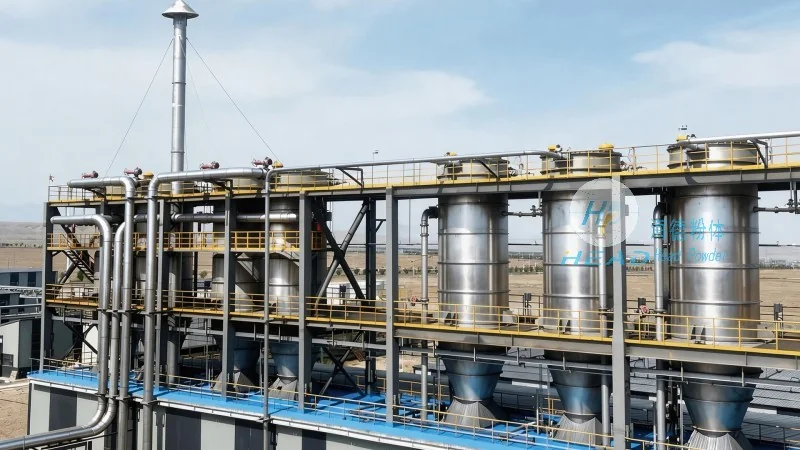
Core Principles of Aluminum Battery Material Conveying Lines
The aluminum battery material conveying line is a sophisticated system engineered to efficiently transport raw materials, intermediate products, and finished components throughout the battery manufacturing process. At its heart, the system integrates several critical components, including feeders, conveyors, sorting mechanisms, and storage units, all working in harmony to ensure seamless material flow. The design prioritizes precision, reliability, and adaptability to the unique demands of aluminum battery production, such as handling high-volume, lightweight materials with minimal friction and optimal energy efficiency.
One of the primary principles is the optimization of material movement to reduce downtime and enhance productivity. The conveying lines are typically configured with multiple stages, each tailored to a specific task—e.g., raw material intake, pre-processing, assembly, and final packaging. This modular approach allows for flexibility in accommodating varying production volumes and product specifications. Additionally, the system incorporates advanced control technologies, such as programmable logic controllers (PLCs) and sensors, to monitor and adjust operations in real-time, ensuring consistent performance and minimizing the risk of errors or bottlenecks.
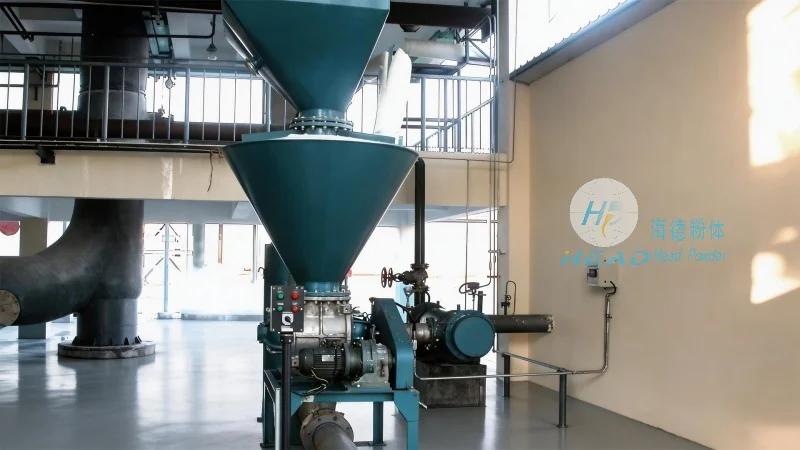
Key Working Scene Characteristics
The operational environment of aluminum battery material conveying lines is characterized by several distinct features that influence system design and performance. First, the production process often involves handling materials with varying properties, including powders, granules, and semi-finished components, each requiring specialized handling techniques. For instance, aluminum powders may need to be conveyed with low-friction mechanisms to prevent agglomeration, while larger components might require robust, heavy-duty conveyors capable of withstanding mechanical stress.
Second, the working environment is typically industrial, with high ceilings and open floor plans to accommodate large machinery and material flow. The system must be designed to integrate seamlessly with existing factory infrastructure, including existing utilities, lighting, and safety protocols. This integration is crucial for maintaining operational efficiency and ensuring compliance with industrial safety standards.
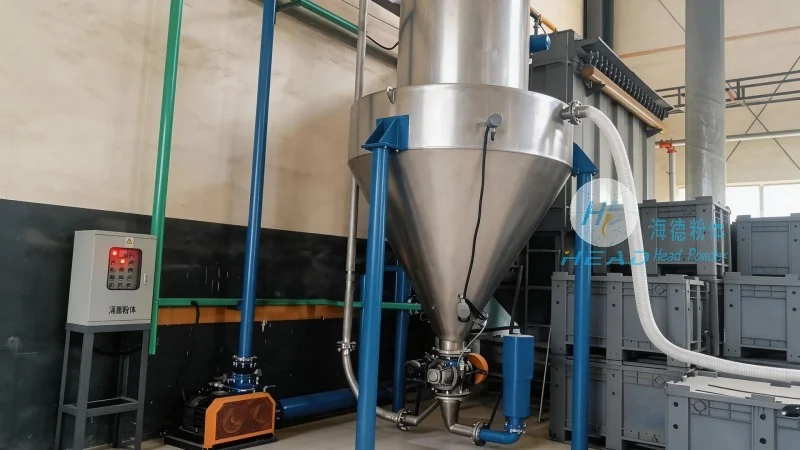
Third, the conveying lines operate in a high-speed, high-volume production setting, where even minor inefficiencies can lead to significant productivity losses. Therefore, the system is engineered for durability and low maintenance, with components selected for their resistance to wear and corrosion, particularly in environments where aluminum and other reactive materials are processed. The use of high-quality materials, such as stainless steel and specialized polymers, further enhances the system's longevity and reliability.
Application-Specific Adaptations
Given the diverse nature of aluminum battery production, HeadPowder's conveying lines are customized to meet the specific needs of each client. For example, in battery cell manufacturing, the system may include automated feeding mechanisms to ensure precise placement of electrodes and separators, while in battery pack assembly, it may incorporate robotic arms or automated sorters to handle finished battery modules. These adaptations ensure that the conveying line not only moves materials efficiently but also supports the overall production workflow, reducing manual intervention and improving overall quality control.
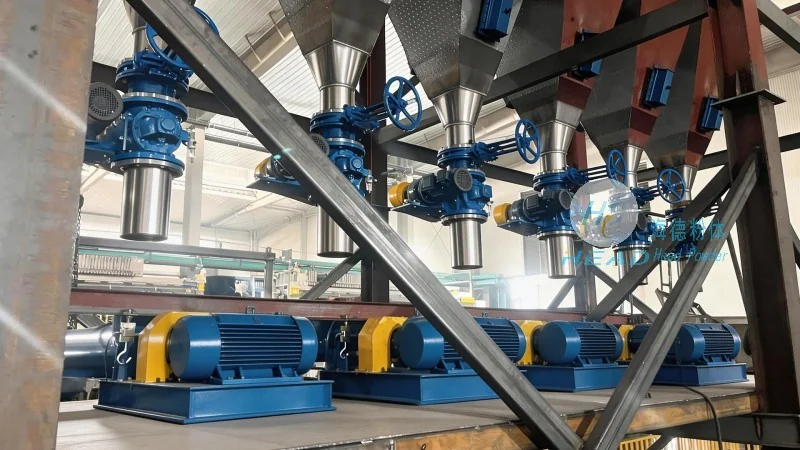
Furthermore, the system's design considers the environmental impact of material handling, incorporating features like dust suppression and material containment to minimize waste and maintain a clean working environment. This is particularly important in aluminum battery production, where fine powders can pose health and safety risks if not properly managed.
Conclusion
In summary, aluminum battery material conveying lines represent a critical component of modern battery manufacturing, combining advanced engineering principles with practical operational considerations. HeadPowder's expertise in designing and implementing these systems ensures that clients receive solutions tailored to their specific production needs, enhancing efficiency, reliability, and safety in the aluminum battery industry. With a focus on innovation and customer-centric design, HeadPowder continues to lead the way in providing high-quality material handling solutions for the evolving demands of the battery sector.