

Principle and Working Scene Characteristics of Urea Granule Material Conveying Lines
Urea granule material conveying lines are essential systems in industrial settings, particularly within the fertilizer and chemical manufacturing sectors. These lines are designed to efficiently transport urea granules from production points to storage or processing facilities. The effectiveness of such systems directly impacts production efficiency, material handling costs, and overall operational safety. Understanding the underlying principles and the specific characteristics of working scenes is crucial for optimizing these lines and ensuring they meet the demands of modern industrial applications.
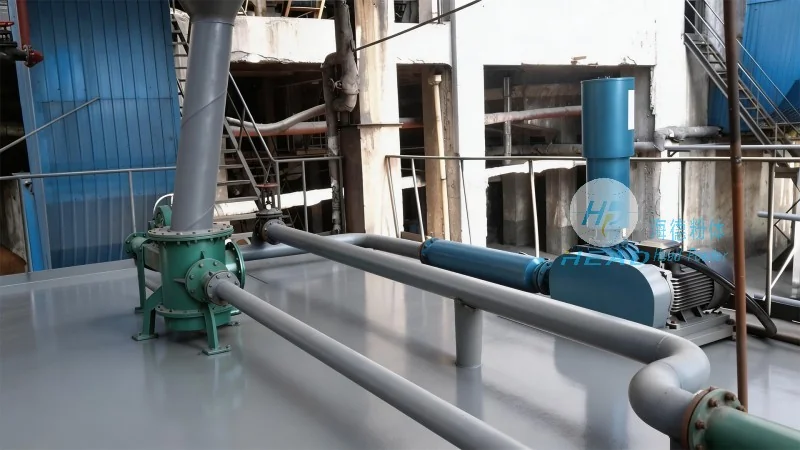
The Core Principle of Urea Granule Material Conveying Lines
The fundamental principle of urea granule material conveying lines revolves around the mechanical transfer of solid particles. These systems typically employ a combination of gravity, mechanical force, and sometimes pneumatic assistance to move urea granules along a defined path. The most common mechanisms include belt conveyors, screw conveyors, and pneumatic conveyors. Belt conveyors, for instance, utilize a continuous belt to transport granules through friction, making them suitable for long-distance and heavy-load applications. Screw conveyors, on the other hand, use a rotating screw to push granules forward, ideal for vertical or inclined transport. Pneumatic conveyors employ air pressure to suspend and transport granules, which is particularly effective for handling fine or dusty materials. The choice of mechanism depends on factors such as the size and density of the urea granules, the distance to be covered, and the environmental conditions of the working scene.
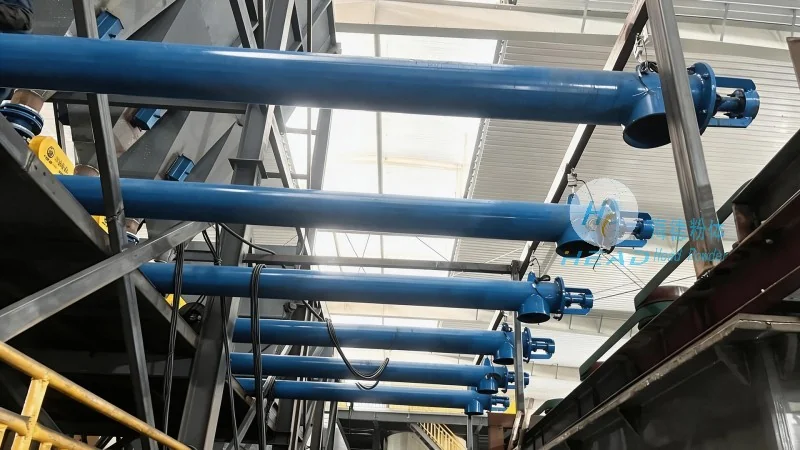
Working Scene Characteristics of Urea Granule Material Conveying Lines
The working scene characteristics of urea granule material conveying lines vary significantly based on the industrial application and the specific environment in which they operate. In fertilizer production plants, for example, these lines are often integrated into large-scale manufacturing processes where high throughput is required. The working scene may involve high ambient temperatures, dust, and the need for continuous operation. The design of the conveying line must account for these conditions, ensuring durability and minimal maintenance. Another common working scene is in agricultural supply chains, where urea granules are transported from storage facilities to farms or distribution centers. Here, the line may need to handle varying granule sizes and moisture levels, requiring flexible and adaptable systems. Additionally, in chemical processing facilities, the conveying line might be part of a more complex system involving multiple stages of material processing. The working scene may include strict safety protocols due to the potential hazards associated with urea granules, such as dust explosions or chemical reactions. Therefore, the design must incorporate safety features like dust suppression systems and explosion-proof components.
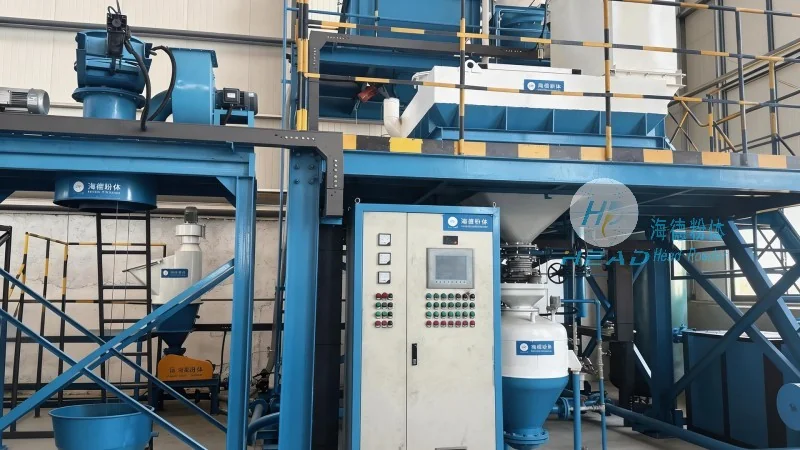
Key Features and Advantages of Urea Granule Material Conveying Lines
Urea granule material conveying lines offer several key features and advantages that make them indispensable in industrial operations. One of the primary advantages is their ability to handle large volumes of material with minimal labor. This reduces operational costs and increases production efficiency. The systems are also designed for durability, with components such as belts and screws made from materials resistant to abrasion and corrosion, ensuring long service life. Another advantage is their adaptability to different working scenes. By selecting the appropriate conveyor type and configuration, manufacturers can tailor the system to meet specific requirements, whether it's for horizontal, vertical, or inclined transport. Furthermore, modern conveying lines incorporate advanced control systems that allow for real-time monitoring and adjustment, enhancing operational flexibility and reducing downtime. These features collectively contribute to the overall effectiveness and reliability of urea granule material conveying lines in various industrial applications.
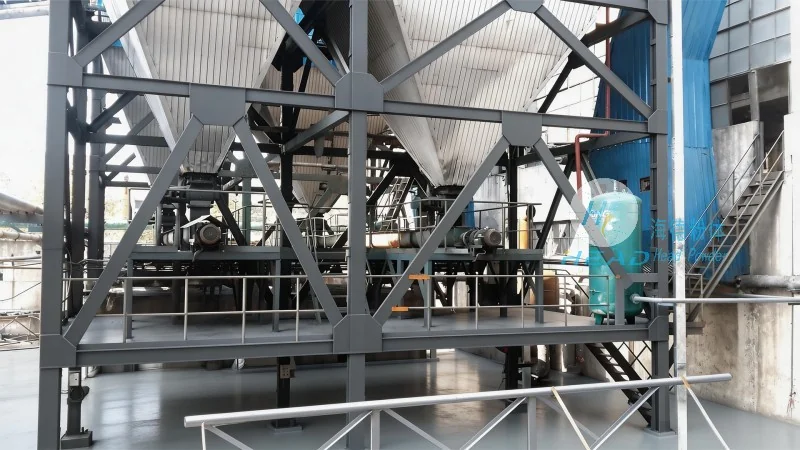
Conclusion and Company Overview
Urea granule material conveying lines are critical components in the efficient handling and transportation of urea granules across various industrial sectors. The principles underlying these systems, combined with their adaptability to diverse working scenes, make them essential for modern manufacturing and supply chain operations. As a leading provider in this field, Shandong HeadPowder Engineering Co., Ltd. specializes in designing and manufacturing high-quality conveying solutions tailored to the unique needs of each client. With a focus on durability, efficiency, and safety, the company ensures that its products meet the highest industry standards. Based in Shandong, China, HeadPowder Engineering leverages its expertise and advanced technology to deliver reliable and cost-effective urea granule material conveying lines that enhance operational performance and support sustainable industrial practices.