

Principles and Working Scene Characteristics of Fertilizer Powder Conveying System Equipment
HeadPowder, a professional manufacturer based in Shandong, China, specializes in the design and production of fertilizer powder conveying system equipment. This article aims to provide a detailed explanation of the fundamental principles behind these systems and the key characteristics of their operational environments.
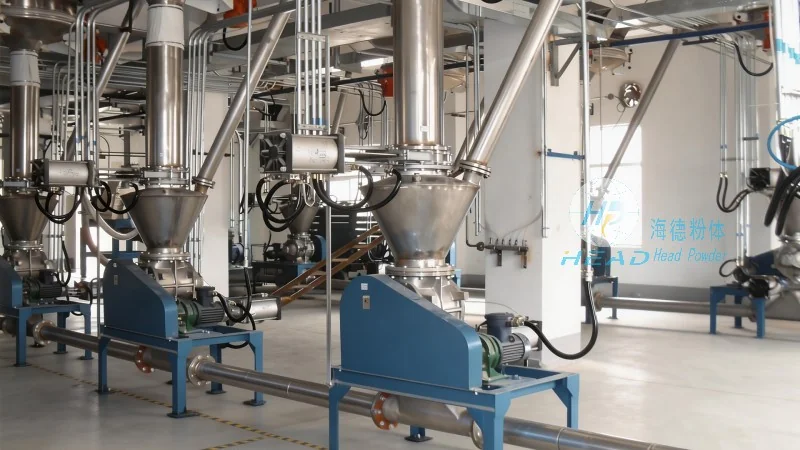
Understanding the Core Principles of Fertilizer Powder Conveying Systems
The fertilizer powder conveying system is a critical component in modern agricultural and industrial operations, designed to efficiently transport bulk powder materials such as nitrogen, phosphorus, and potassium fertilizers. The primary principle revolves around the use of mechanical or pneumatic methods to move these powders from storage silos or production facilities to application points like farms or processing plants. Key technologies include screw conveyors, pneumatic conveyors, and bucket elevators, each tailored to specific material properties and operational requirements. The system's effectiveness is determined by factors like material flow rate, particle size distribution, and the need for dust control, all of which are addressed through specialized engineering solutions.
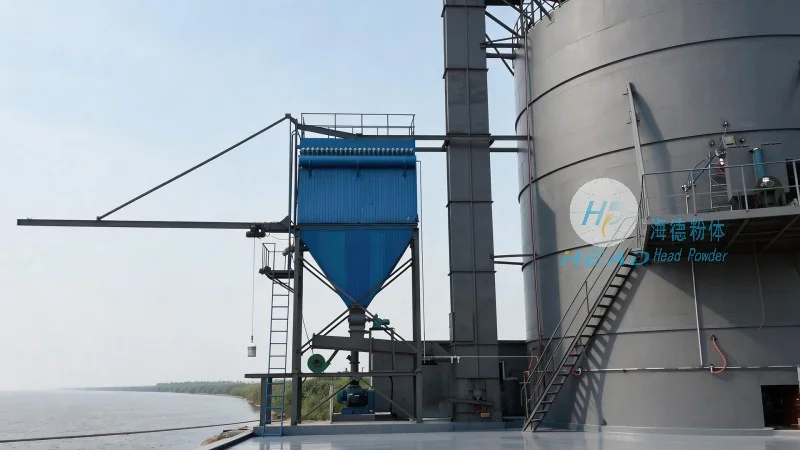
Key Working Scene Characteristics of Fertilizer Powder Conveying Systems
The operational environment of fertilizer powder conveying systems varies significantly based on the application and scale of the operation. In large-scale agricultural settings, these systems are often integrated into centralized fertilizer distribution networks, requiring high throughput and reliability to support extensive farming activities. Industrial applications, such as in chemical manufacturing or fertilizer production plants, demand systems that can handle high volumes of raw materials and process byproducts, with considerations for material compatibility and system durability. Additionally, the systems must be designed to minimize dust emissions and ensure safety, as fertilizer powders can be hazardous if not handled properly. The working scenes also include considerations for space constraints, with compact designs often required in urban or densely populated areas, and robust designs for outdoor or remote locations.
Technical Advancements and Customization in Fertilizer Powder Conveying Equipment
HeadPowder's fertilizer powder conveying systems are engineered with advanced technologies to meet diverse operational needs. For instance, pneumatic conveying systems utilize compressed air to transport powders, offering flexibility in layout and the ability to handle materials with varying moisture content. Screw conveyors, on the other hand, are ideal for transporting dry, free-flowing materials and are commonly used in smaller-scale applications. The company's expertise lies in customizing these systems to match specific material characteristics, such as particle size, density, and flowability, ensuring optimal performance and longevity. Regular maintenance and monitoring are also integral to the system's efficiency, with features like automatic cleaning and pressure monitoring to prevent blockages and ensure consistent operation.
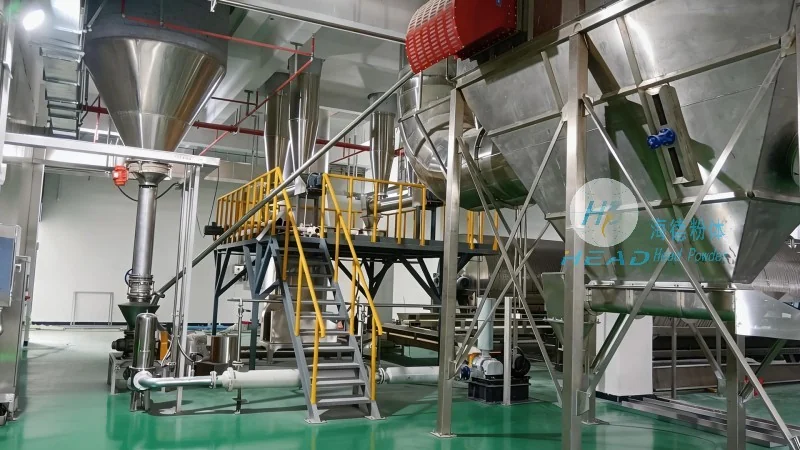
Applications and Industry Impact of Fertilizer Powder Conveying Systems
The effectiveness of fertilizer powder conveying systems directly impacts agricultural productivity and industrial efficiency. By enabling the seamless movement of bulk fertilizers, these systems reduce labor costs and improve the accuracy of application, leading to better crop yields and resource utilization. In industrial settings, they contribute to streamlined production processes, minimizing downtime and enhancing overall operational productivity. The systems also play a role in environmental sustainability by optimizing fertilizer usage and reducing waste, aligning with global efforts to promote sustainable agriculture and industrial practices. As demand for efficient fertilizer management grows, the importance of reliable conveying systems continues to increase, making them a vital component of modern agricultural and industrial infrastructure.