

Working Principle and Characteristics of Dye Powder Pneumatic Conveying
Understanding the working principle and characteristics of dye powder pneumatic conveying is crucial for optimizing material handling processes in the dye industry. This article provides a detailed overview of how pneumatic conveying systems operate and the key attributes that define their performance, presented by Shandong HeadPowder Engineering Co., Ltd., a leading provider of material handling solutions in China.
Introduction to Pneumatic Conveying Systems
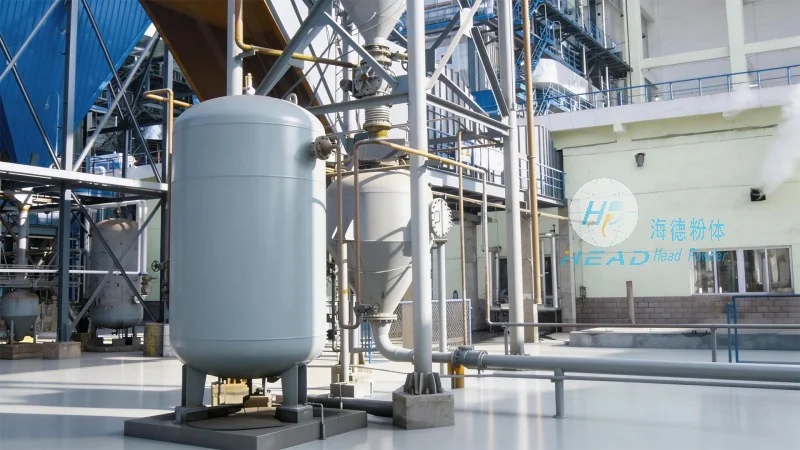
Pneumatic conveying, also known as pneumatic transport, is a method of transporting bulk materials through a pipeline using a stream of gas, typically air. In the context of dye powders, this technology is widely used to move fine particles from one location to another efficiently and safely. The system operates by creating a pressure differential that propels the material through the pipeline, often with the assistance of a vacuum or pressure source. This approach is particularly effective for handling materials like dye powders, which are often fine, abrasive, or hygroscopic, requiring specialized handling techniques to maintain quality and prevent contamination.
Working Principle of Dye Powder Pneumatic Conveying
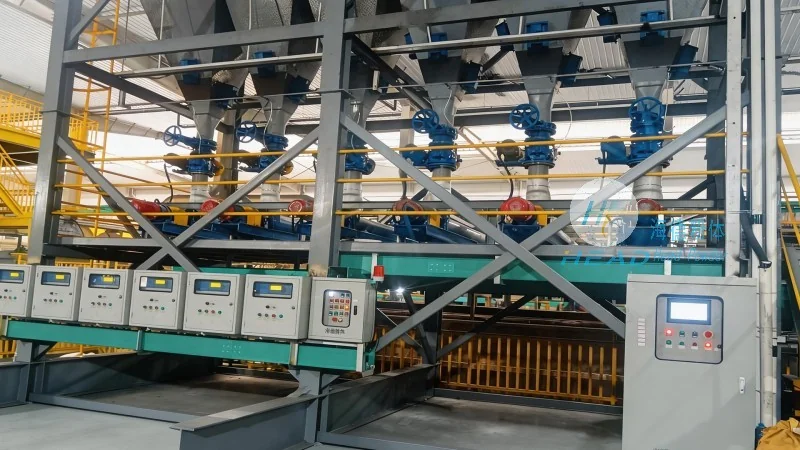
The core working principle of dye powder pneumatic conveying involves several key components and processes. First, the dye powder is introduced into the conveying line, usually at a feeding point equipped with a hopper or feeder. The feeder then controls the flow rate of the powder into the system, ensuring a consistent feed that matches the required throughput. Next, a fan or blower generates the necessary airflow, either by creating a vacuum (in suction systems) or pressure (in pressure systems). This airflow then carries the powder particles through the pipeline to the discharge point. The system may include additional components such as cyclones, filters, or separators to separate the powder from the air at the end of the line, ensuring that the material is deposited accurately and the air is cleaned before release. The entire process is driven by the pressure or vacuum differential, which is carefully controlled to maintain optimal material transport without excessive energy consumption.
Key Characteristics of Dye Powder Pneumatic Conveying
Several distinct characteristics define the performance and suitability of pneumatic conveying systems for dye powders. One of the primary advantages is the ability to handle fine, abrasive, or hygroscopic powders without the need for mechanical components that could cause wear or contamination. The system is also highly flexible, allowing for changes in material flow rates and line configurations without extensive modifications. This adaptability is crucial in dynamic manufacturing environments where production requirements may change frequently. Additionally, pneumatic conveying can be integrated with other processes, such as mixing or drying, to create a seamless material handling workflow. The system's ability to operate in both suction and pressure modes provides versatility, enabling it to handle materials over long distances or through complex network layouts. However, the system's performance is influenced by factors like particle size, density, and moisture content, which can affect the required airflow and pressure levels. Proper system design and maintenance are essential to ensure consistent and reliable operation, as these factors directly impact the efficiency and effectiveness of the conveying process.
Applications and Benefits in the Dye Industry
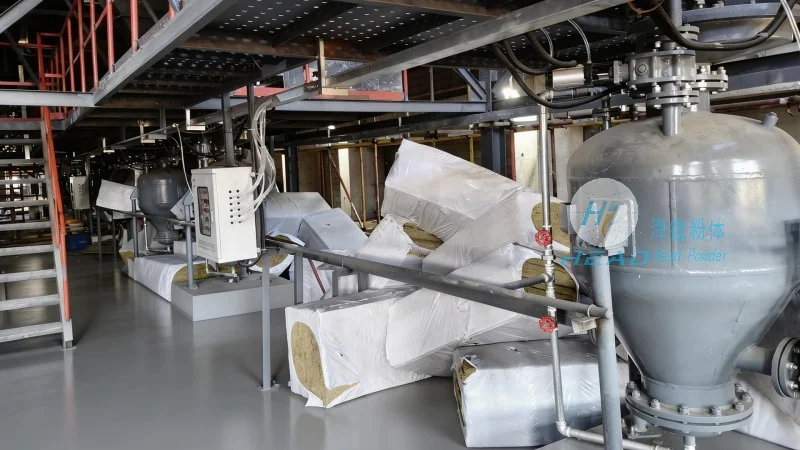
Dye powder pneumatic conveying is widely applied in various stages of the dye manufacturing and processing chain. From raw material handling and storage to intermediate processing and final product packaging, the technology enhances efficiency and reduces labor costs. The system's ability to handle dust and prevent cross-contamination is particularly valuable in environments where hygiene and product purity are critical. By eliminating the need for manual handling and reducing the risk of material loss or degradation, pneumatic conveying contributes to improved product quality and operational safety. Furthermore, the system's compact design and ability to operate in confined spaces make it suitable for modern industrial facilities that require space optimization. Companies like Shandong HeadPowder Engineering Co., Ltd. specialize in designing and implementing such systems, ensuring that clients receive tailored solutions that meet their specific operational needs and industry standards.
Conclusion
In summary, dye powder pneumatic conveying operates by utilizing a controlled airflow to transport fine particles through a pipeline, with key characteristics including flexibility, efficiency, and adaptability to various material properties. The technology offers significant benefits for the dye industry, including improved process control, reduced operational risks, and enhanced product quality. As a result, pneumatic conveying systems are an essential component of modern material handling solutions, enabling manufacturers to meet the demands of a competitive market while maintaining high standards of performance and safety. Shandong HeadPowder Engineering Co., Ltd. continues to lead in providing advanced pneumatic conveying solutions that support the growth and efficiency of the dye industry in China and beyond.