

What is a Tonne Bag Breakage Pneumatic Conveying Machine? And What Are Its Design Principles?
For industrial operations that involve handling bulk materials, efficient and reliable material transport is crucial. One such solution is the tonne bag breakage pneumatic conveying machine, a specialized equipment designed to handle large quantities of materials from bulk bags (tonne bags) and transport them through a pneumatic system. This article will explore what this machine is and delve into its design principles, providing insights into its functionality and application in industrial settings, with a focus on the solutions offered by Shandong HeadPowder Engineering Co., Ltd. from China.
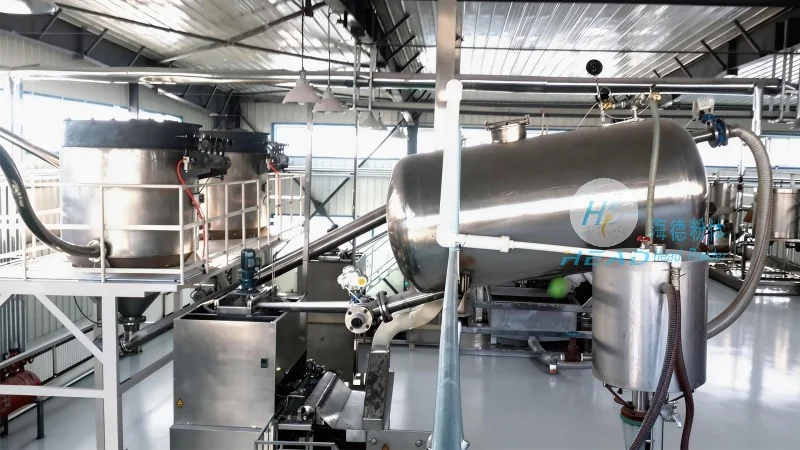
Understanding the Tonne Bag Breakage Pneumatic Conveying Machine
The tonne bag breakage pneumatic conveying machine is a system that combines the functions of bag opening, material breaking, and pneumatic conveying. It is commonly used in industries such as food processing, pharmaceuticals, chemicals, and mining, where bulk materials are received in tonne bags and need to be transferred to processing or storage areas. The machine operates by first opening the tonne bag, breaking it open to release the contents, and then using a pneumatic conveying system to transport the material to the desired location. This process eliminates the need for manual handling of heavy bags and reduces the risk of material spillage or contamination.
Key Components and Their Functions
The tonne bag breakage pneumatic conveying machine consists of several key components that work together to achieve efficient material handling. The primary components include the bag opening unit, the material breakage mechanism, the airlock or feeder, the conveying pipeline, and the receiver or discharge unit. Each component plays a vital role in the overall operation of the machine.
The bag opening unit is responsible for opening the tonne bag, typically by cutting or tearing the bag's top. This component ensures that the bag is opened safely and efficiently, allowing the material to be released without damage. The material breakage mechanism is designed to break down the material into smaller particles or granules, which facilitates better air flow and reduces the risk of blockages in the conveying system. This is particularly important for materials that are cohesive or have a tendency to form lumps.
The airlock or feeder is a critical component that controls the flow of material from the breakage unit into the conveying pipeline. It prevents the backflow of air and ensures a consistent flow of material, maintaining the efficiency of the pneumatic conveying system. The conveying pipeline is where the material is transported using air pressure, and it can be made of various materials such as stainless steel or plastic, depending on the material being conveyed and the operating conditions.
The receiver or discharge unit is the final component of the system, where the material is collected after being conveyed through the pipeline. It may include a hopper or a storage tank, depending on the application, and is designed to handle the material safely and efficiently. All components are typically made of materials that are resistant to corrosion and wear, ensuring long-term durability and reliability.
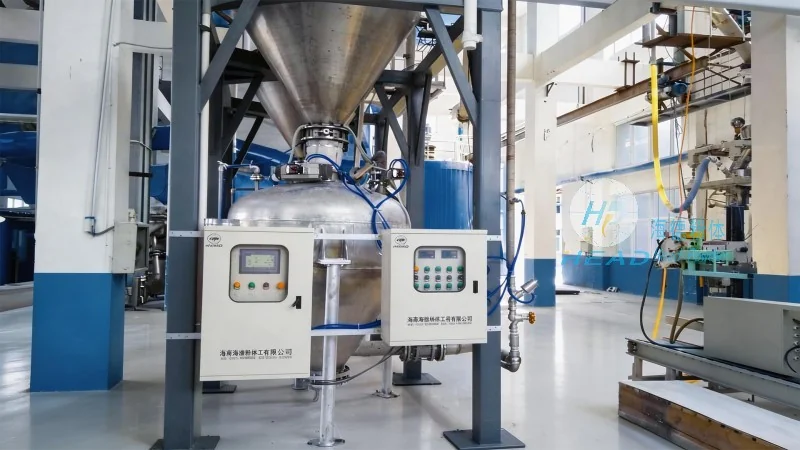
Design Principles of the Tonne Bag Breakage Pneumatic Conveying Machine
The design of the tonne bag breakage pneumatic conveying machine is based on several key principles that ensure its efficiency, reliability, and safety. The first principle is the integration of bag opening and material breakage into a single system, which reduces the number of steps required for material handling and improves overall efficiency. This design minimizes the need for manual intervention and reduces the risk of material loss or contamination.
The second principle is the use of a pneumatic conveying system, which is a method of transporting materials using air pressure. This system is particularly suitable for handling fine or powdery materials, as it allows for the transport of materials over long distances without the need for mechanical conveyors. The pneumatic system also reduces the risk of material spillage and contamination, as the material is contained within the pipeline.
The third principle is the use of an airlock or feeder to control the flow of material. This component is essential for maintaining the efficiency of the pneumatic conveying system and preventing blockages or backflow. The airlock ensures that the material is conveyed at a consistent rate, which is crucial for maintaining the performance of the system.
The fourth principle is the use of materials that are resistant to corrosion and wear. The components of the machine are typically made of stainless steel or other corrosion-resistant materials, which ensures that the machine can operate in harsh environments and for long periods without maintenance. This design also reduces the risk of material contamination, as the components are not prone to rust or degradation.
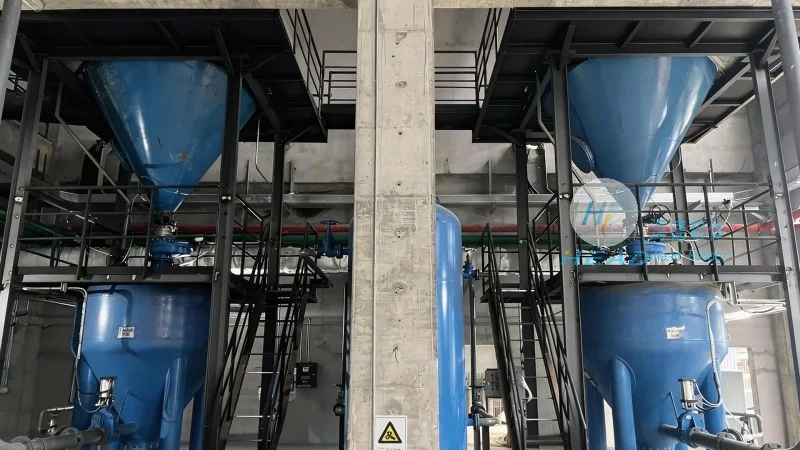
Applications and Benefits
The tonne bag breakage pneumatic conveying machine is widely used in various industrial applications due to its efficiency and reliability. Some of the common applications include the handling of food ingredients, pharmaceutical powders, chemical products, and mining ores. The machine is particularly beneficial in industries where manual handling of bulk materials is impractical or unsafe, as it reduces the risk of accidents and improves worker safety.
One of the main benefits of this machine is its ability to handle large quantities of materials efficiently. It can transport up to several tons of material per hour, depending on the system's design and the material being conveyed. This makes it an ideal solution for large-scale industrial operations that require high throughput and minimal downtime.
Another benefit is the reduction in material loss and contamination. The machine is designed to minimize the risk of spillage and contamination, which is crucial for industries that handle sensitive materials such as food or pharmaceuticals. The enclosed system also helps to maintain the quality of the material, as it is not exposed to external elements or contaminants.
The machine also offers cost savings in terms of labor and maintenance. By automating the process of handling bulk materials, it reduces the need for manual labor, which can be expensive and time-consuming. The use of corrosion-resistant materials and the design of the system also reduces the need for frequent maintenance, resulting in lower long-term costs.
Conclusion
The tonne bag breakage pneumatic conveying machine is a sophisticated piece of equipment that plays a vital role in modern industrial operations. Its design, based on principles of efficiency, reliability, and safety, makes it an ideal solution for handling bulk materials from tonne bags. By integrating bag opening, material breakage, and pneumatic conveying into a single system, it offers significant benefits in terms of productivity, safety, and cost savings. As industrial operations continue to evolve, this machine will remain a critical component in the efficient handling of bulk materials, with solutions provided by Shandong HeadPowder Engineering Co., Ltd. from China supporting these operations globally.