

What is a Dust-Free Bag Opening Pneumatic Conveying Machine? And What Are Its Design Principles?
For industrial applications requiring efficient and clean material handling, the dust-free bag opening pneumatic conveying machine has emerged as a critical solution. This equipment is designed to handle bulk materials from sealed bags with minimal dust generation, ensuring a safe and hygienic processing environment. The following article explores the fundamental aspects of this technology, including its design principles and operational benefits.
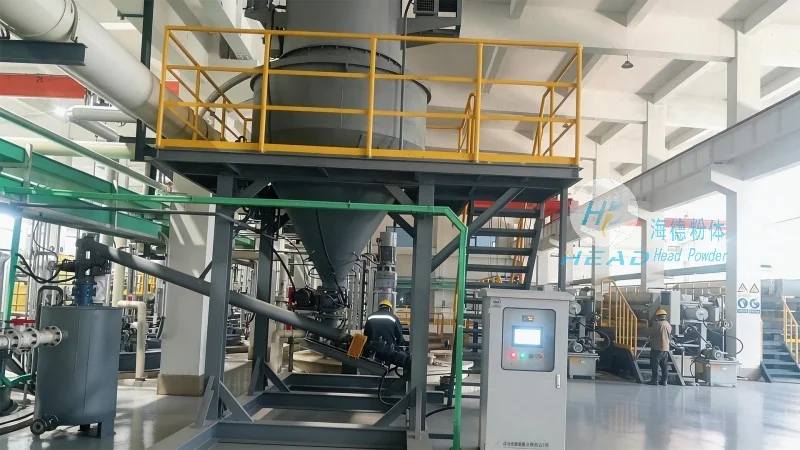
Introduction to the Dust-Free Bag Opening Pneumatic Conveying Machine
The dust-free bag opening pneumatic conveying machine is a specialized system developed by Shandong HeadPowder Engineering Co., Ltd., a leading manufacturer based in China. This equipment is engineered to automate the process of opening bulk bags (also known as FIBCs or big bags) and transferring the contained material into a processing or storage system without generating airborne dust. The core function of this machine is to maintain a clean working environment while maximizing operational efficiency.
Design Principles of the Pneumatic Conveying System
The design of a dust-free bag opening pneumatic conveying machine integrates several key components that work in harmony to achieve its objectives. The system typically includes a bag opening mechanism, a vacuum or pressure conveyor, and a dust collection unit. The bag opening component is designed to safely cut or tear the bag's top without causing material spillage or dust release. This is often achieved through a combination of mechanical cutting tools and air-assisted separation, which helps to keep the material contained within the bag until it is fully opened.
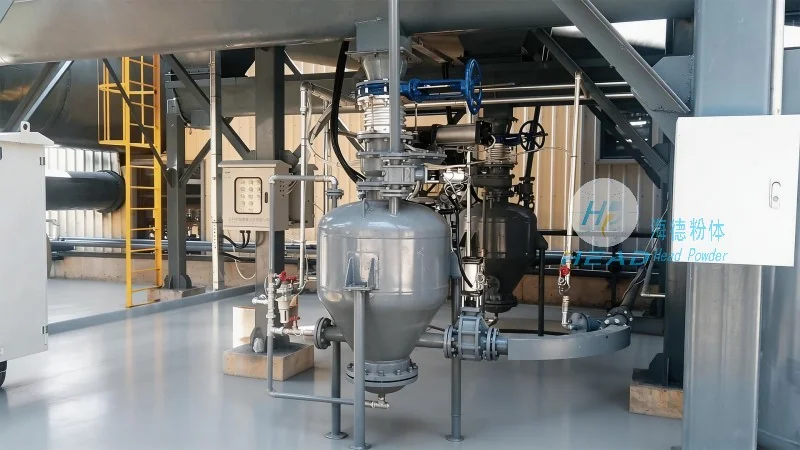
Once the bag is opened, the material is drawn into the conveying system using either vacuum or pressure. The choice between vacuum and pressure depends on the material's properties, such as its density and flowability. Vacuum systems are commonly used for light, fine materials that are prone to dusting, while pressure systems are suitable for heavier, bulkier materials that require more force to move. The conveying line is equipped with filters and cyclones to capture any residual dust, ensuring that the exhaust air is clean and the material remains free from contamination.
Key Features and Operational Advantages
Shandong HeadPowder Engineering Co., Ltd. has incorporated several advanced features into their dust-free bag opening pneumatic conveying machines to enhance performance and user experience. One of the primary advantages is the ability to maintain a dust-free environment, which is crucial in industries such as food processing, pharmaceuticals, and chemical manufacturing where product purity and worker safety are paramount. The system's enclosed design minimizes the risk of cross-contamination and reduces the need for extensive cleaning procedures.
Another significant benefit is the automation of the bag opening process, which reduces labor costs and improves operational consistency. The machine can handle multiple bag sizes and types, including standard and custom configurations, making it versatile for various industrial applications. Additionally, the system is designed for easy maintenance, with accessible components that allow for quick repairs and replacements, minimizing downtime.
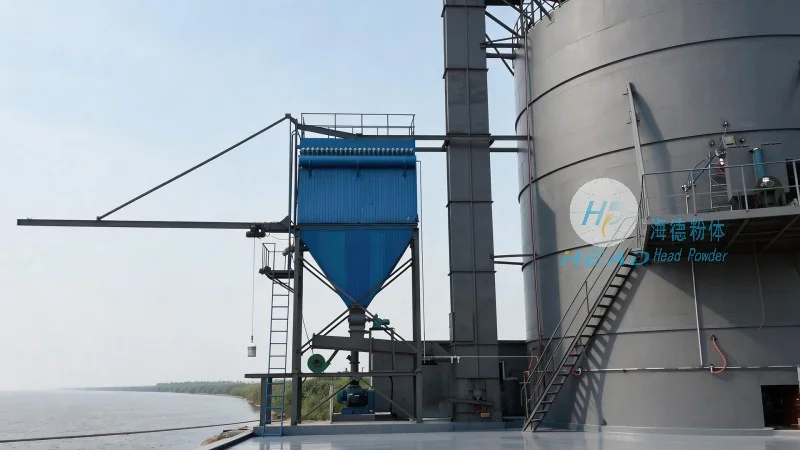
Applications and Industries
The dust-free bag opening pneumatic conveying machine is widely used across various industries that rely on bulk material handling. In the food industry, it is employed to process ingredients like flour, sugar, and spices, ensuring that the products remain free from dust and contaminants. The pharmaceutical sector utilizes this equipment to handle active pharmaceutical ingredients (APIs) and excipients, maintaining strict regulatory compliance. In the chemical industry, it is used for transporting powders and granules, such as fertilizers and pigments, where dust control is essential for both safety and product quality.
Other applications include the handling of agricultural products, such as seeds and grains, and in the construction industry for transporting cement and other dry materials. The versatility of the system makes it suitable for a wide range of industries, making it a valuable asset for any operation that requires efficient and clean material transfer.