

Working Principle and Characteristics of Tonne Bag Unpacking Material Conveying
Tonne bag unpacking material conveying systems are engineered to efficiently manage the handling of bulk materials from large-tonnage bags, transforming them into a form suitable for subsequent processing or storage. The fundamental working principle involves a systematic sequence of mechanical and operational steps that ensure material flow is controlled, safe, and consistent. The process typically begins with the placement of a tonne bag onto a specialized unloading platform. This platform is equipped with a robust lifting mechanism, often hydraulic or mechanical, which safely elevates the bag off the ground, providing access to the bag's opening. Once the bag is elevated, an opening device—such as a cutting or tearing tool—is activated to break the bag's seal. This step is critical as it allows the material inside to discharge. The discharged material then falls into a hopper or chute, which is connected to a conveyor system. The conveyor, commonly a belt or screw type, transports the material from the hopper to the next stage of processing or storage. Throughout this operation, the system may incorporate sensors and control units to monitor flow rates, detect blockages, and adjust unloading speeds as needed. This automation ensures consistent performance and minimizes risks such as material spillage or equipment damage.
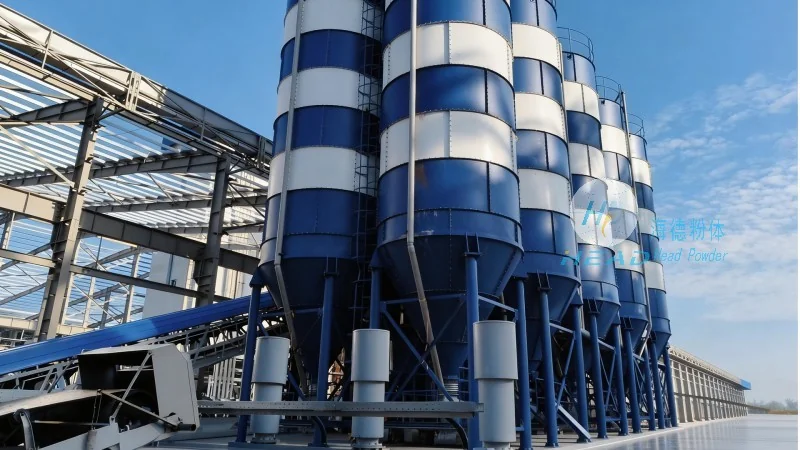
Key Characteristics of Tonne Bag Unpacking Material Conveying Systems
When assessing tonne bag unpacking material conveying systems, several defining characteristics emerge, reflecting their design for reliability, efficiency, and adaptability. First, these systems are built for high throughput, capable of processing large volumes of material from multiple bags within a short timeframe. This is achieved through heavy-duty components like powerful conveyors and durable lifting mechanisms that can handle the weight and volume of bulk materials. Second, safety is a top priority, with features including protective enclosures, emergency stop buttons, and overload protection to prevent accidents and equipment failure. The design also incorporates measures to reduce dust generation and environmental impact, such as integrated dust collection systems and sealed conveyor sections. Third, adaptability is a key attribute, as these systems can be configured to handle a wide variety of materials, including powders, granules, and bulk solids. This flexibility is supported by adjustable elements like variable speed drives, customizable hopper sizes, and interchangeable discharge chutes. Fourth, maintenance and operational ease are emphasized, with modular designs that allow for easy access to components for cleaning or repair. This reduces downtime and operational costs, making the systems cost-effective for long-term use. Finally, energy efficiency is considered, with systems utilizing energy-saving motors and optimized conveyor speeds to minimize power consumption while maintaining performance.
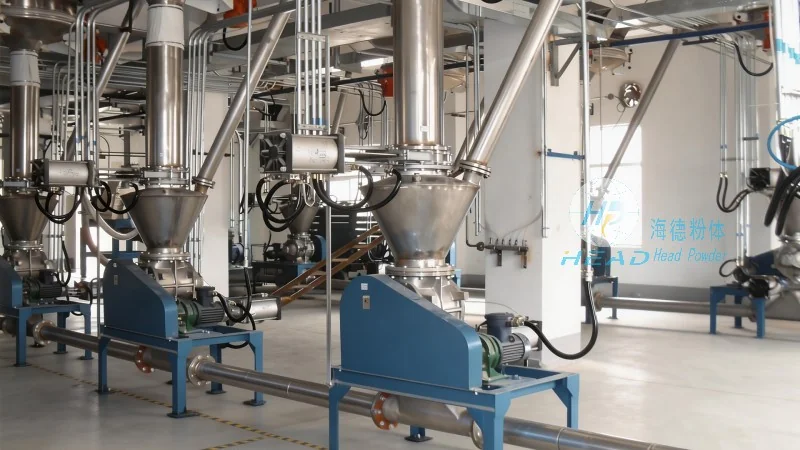
Applications and Benefits in Industrial Operations
Tonne bag unpacking material conveying systems are widely utilized across various industrial sectors, including chemical, pharmaceutical, food processing, and mining. In these settings, the systems play a vital role in streamlining material handling processes, reducing manual labor, and enhancing overall operational efficiency. For instance, in the chemical industry, these systems are employed to handle raw materials like powders and granules, ensuring a continuous supply to production lines. In the pharmaceutical sector, the systems are crucial for maintaining hygiene and preventing contamination, as they can be designed with sterile components and enclosed systems. The benefits of integrating such systems extend beyond efficiency; they also contribute to workplace safety by eliminating the need for manual lifting and handling of heavy bags, thereby reducing the risk of injuries. Additionally, the systems help in preserving material quality by preventing segregation or mixing of different batches during the unloading process. From a cost perspective, these systems reduce labor costs associated with manual unpacking and improve inventory management by ensuring materials are processed in a timely manner. Overall, the adoption of tonne bag unpacking material conveying systems enhances productivity and reliability in industrial operations.
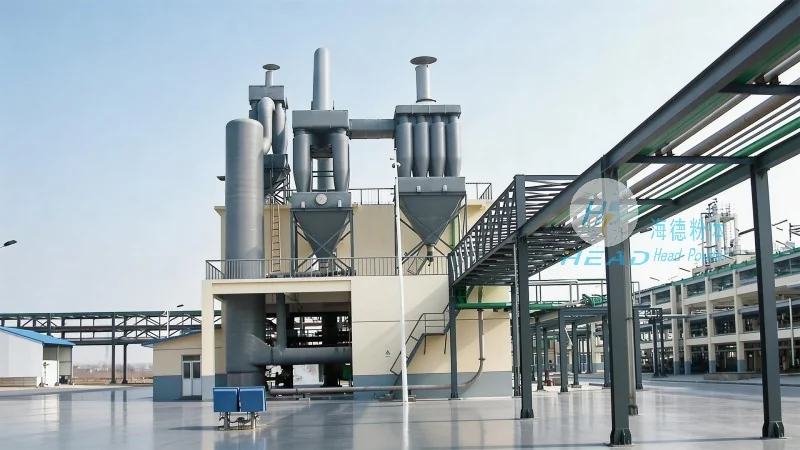
Customization and Integration with Existing Infrastructure
Another significant characteristic of tonne bag unpacking material conveying systems is their ability to be customized and integrated with existing industrial infrastructure. This adaptability allows companies to upgrade their material handling processes without major overhauls to their current setup. For example, the systems can be designed to connect with existing conveyor networks, storage silos, or processing equipment, ensuring a seamless flow of materials. Customization options may include adjustable conveyor lengths, different discharge angles, or compatibility with various bag sizes and types. This flexibility is particularly valuable for businesses that handle diverse materials or have evolving production needs. Moreover, the integration of these systems with automation controls, such as PLCs (Programmable Logic Controllers), enables centralized monitoring and control of the entire material handling process. This integration enhances operational control and allows for real-time adjustments to optimize performance. The ability to customize and integrate with existing infrastructure makes tonne bag unpacking material conveying systems a practical solution for many industrial applications, supporting both current and future operational requirements.
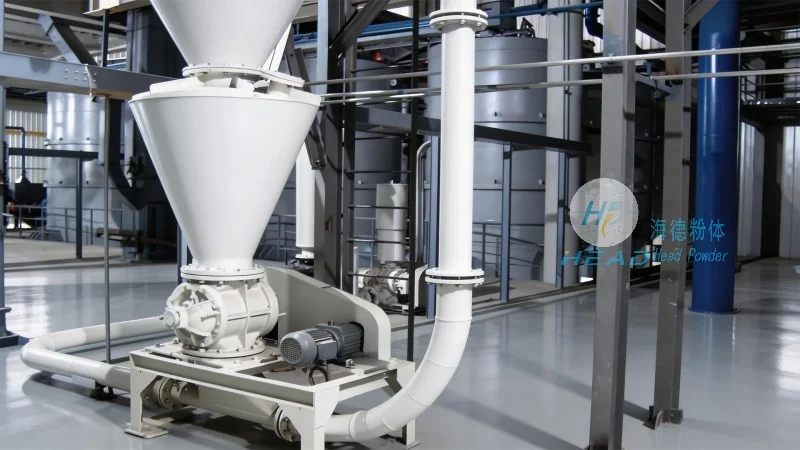
Maintenance and Long-Term Performance
Maintenance and long-term performance are critical considerations when evaluating tonne bag unpacking material conveying systems. The design of these systems prioritizes ease of maintenance, with modular components that can be easily accessed and serviced. This approach reduces downtime and ensures the system operates at optimal efficiency over its lifespan. Regular maintenance tasks may include cleaning conveyor belts, inspecting lifting mechanisms, and checking sensor functionality. These tasks are typically straightforward and can be performed by trained personnel, minimizing the need for specialized technical support. The use of durable materials, such as stainless steel for contact parts and high-quality bearings, contributes to the system's longevity and resistance to wear and tear. Additionally, the systems are often equipped with diagnostic features that alert operators to potential issues, allowing for proactive maintenance and preventing unexpected breakdowns. By focusing on maintenance-friendly design and robust construction, tonne bag unpacking material conveying systems provide reliable performance and lower total cost of ownership over time. This makes them a sustainable investment for industrial operations seeking to enhance their material handling capabilities.