

What is a Barley Malt Material Pneumatic Conveying System? What Are Its Design Principles?
HeadPowder, a leading engineering company based in Shandong, China, specializes in the design and implementation of advanced material handling solutions. Among these, the barley malt material pneumatic conveying system stands out as a crucial technology for efficient and reliable transport of malt in the brewing industry. This system utilizes air as the primary medium to move barley malt from storage to processing units, offering a hygienic and efficient alternative to traditional methods.
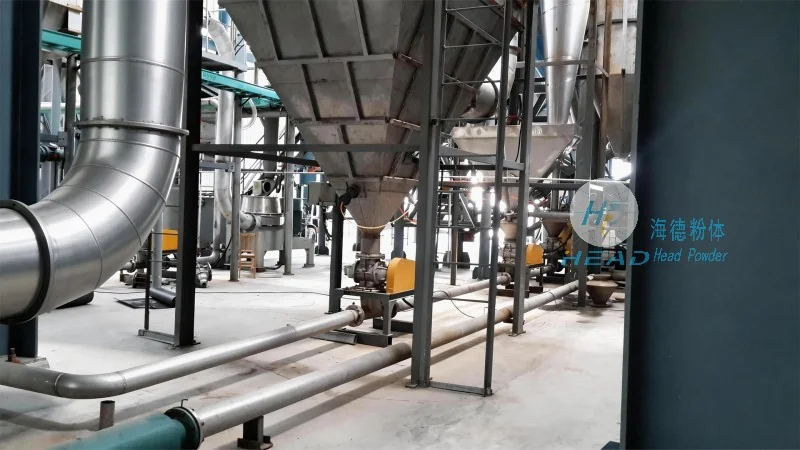
Understanding the Core Components of the Pneumatic Conveying System
The barley malt material pneumatic conveying system consists of several key components that work in tandem to ensure smooth operation. These include the hopper or feeder, which holds the malt and regulates its flow; the conveying line, which can be either positive or negative pressure depending on the system design; and the receiver, where the malt is deposited. Additionally, the system may incorporate filters, cyclones, and dust collectors to maintain air quality and prevent contamination. Each component is carefully selected and integrated to meet the specific requirements of the malt handling process, ensuring optimal performance and durability.
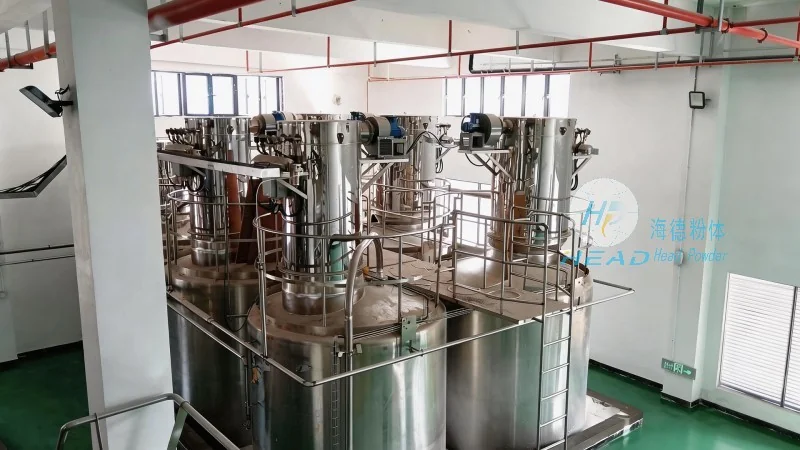
Design Principles Behind the Pneumatic Conveying System
The design principles of the barley malt material pneumatic conveying system are centered on efficiency, hygiene, and adaptability. The system is engineered to handle the unique characteristics of barley malt, such as its density, moisture content, and susceptibility to dust generation. Key design considerations include the selection of appropriate air velocity to prevent material settling or blockages, the use of smooth, corrosion-resistant materials for the conveying line to minimize wear and maintain product integrity, and the incorporation of safety features like pressure relief valves and emergency shut-off mechanisms. The system is also designed to be scalable, allowing it to accommodate varying production volumes and process requirements without compromising performance.
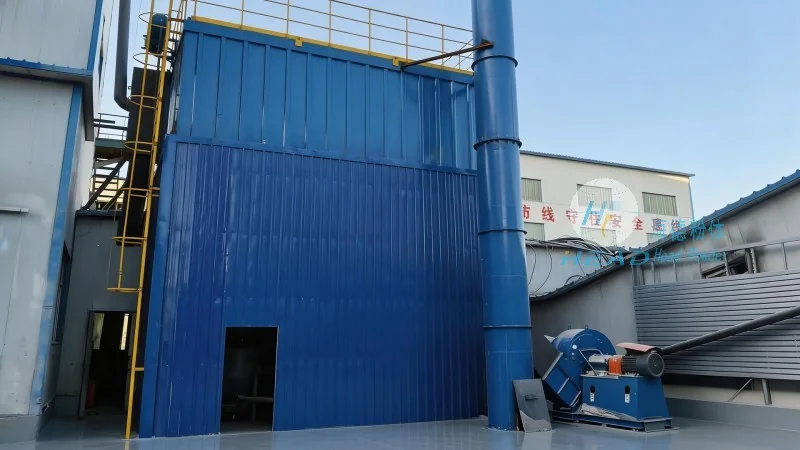
Advantages of Implementing a Pneumatic Conveying System for Barley Malt
Adopting a pneumatic conveying system for barley malt offers numerous advantages over traditional methods. Firstly, it provides a hygienic and dust-free environment, which is critical for maintaining the quality and safety of the malt. The enclosed system prevents contamination from external sources and reduces the risk of cross-contamination between different batches of malt. Secondly, it enhances operational efficiency by enabling continuous and automated transport of malt, reducing labor costs and improving production throughput. Thirdly, the system is versatile and can be integrated with other processing equipment, such as malting and mashing units, to streamline the overall brewing process. Finally, the system is energy-efficient, as it uses compressed air only when necessary, and can be optimized to minimize energy consumption while maximizing conveying capacity.
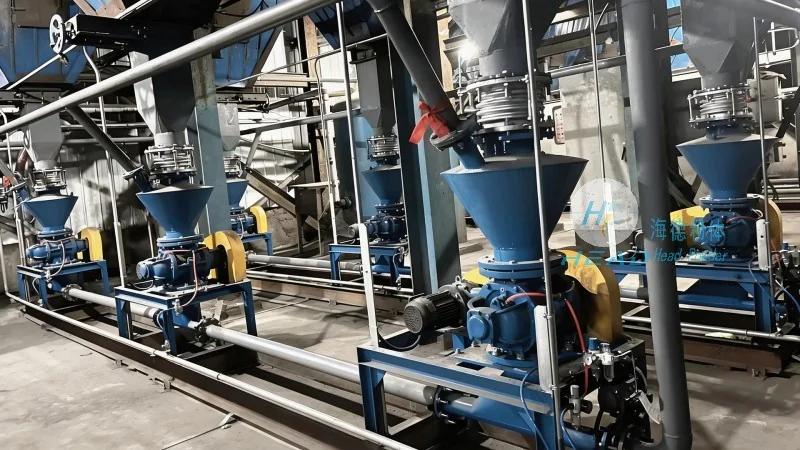
Application Scenarios and Customization Options
The barley malt material pneumatic conveying system is widely used in various stages of the brewing process, from raw material handling to final product preparation. It is commonly employed in malting facilities to transport malt from storage silos to the mashing tanks, as well as in breweries to move malt from the mashing process to the fermentation and conditioning stages. The system can be customized to suit different production scales, from small-scale craft breweries to large industrial facilities. Customization options include varying the length and diameter of the conveying line, adjusting the air pressure and velocity, and integrating additional features such as temperature control or moisture regulation. HeadPowder, with its expertise in engineering and material handling, offers tailored solutions that meet the specific needs of each client, ensuring optimal performance and cost-effectiveness.