

What is a Gypsum Material Pneumatic Conveying System? What Are Its Design Principles?
For industrial operations handling gypsum materials, efficient material handling is crucial to maintain production efficiency and safety. A gypsum material pneumatic conveying system is a specialized equipment setup designed to transport gypsum powder or other similar bulk materials through a pipeline using air or gas as the conveying medium. This system offers a dust-free, enclosed, and continuous conveying solution that is ideal for applications where traditional belt or bucket elevators may not be suitable.
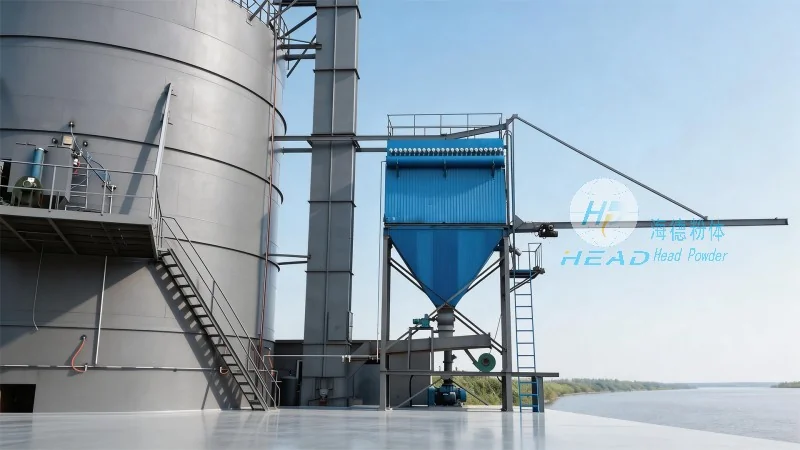
HeadPowder, a leading engineering company based in Shandong, China, specializes in the design, manufacturing, and installation of such pneumatic conveying systems. With years of experience in the field, HeadPowder has developed systems tailored to the unique characteristics of gypsum, ensuring optimal performance and reliability.
Gypsum, a calcium sulfate mineral, is commonly used in construction materials like drywall, cement, and plaster. Its properties, such as low bulk density, fine particle size, and hygroscopic nature, require specialized handling to prevent caking, blockages, and dust generation. The pneumatic conveying system addresses these challenges by providing a controlled environment for material transport.
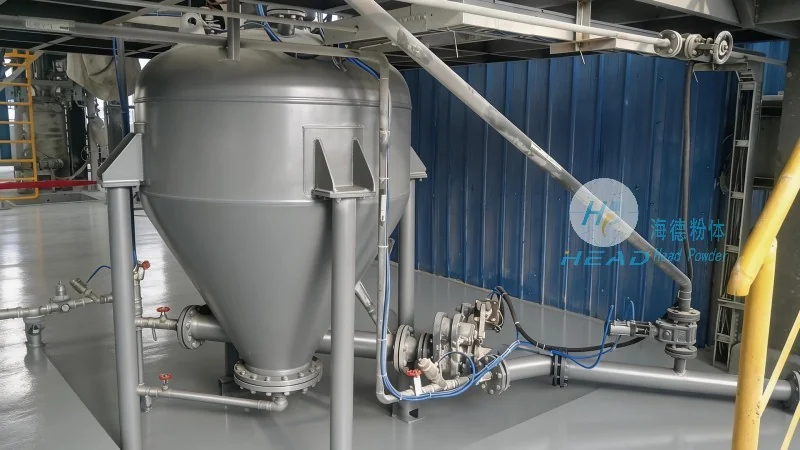
Core Components of a Gypsum Pneumatic Conveying System
The core components of a gypsum material pneumatic conveying system include the material feeder, which accurately meters the gypsum into the system; the conveying pipeline, which transports the material; the air or gas source, which provides the necessary pressure and flow; the separation equipment, which separates the material from the air at the end of the pipeline; and the receiving hopper or silo, which stores the conveyed material.
Key Design Considerations for Gypsum Handling
Designing a gypsum material pneumatic conveying system involves several key considerations. The first is the material's physical properties, including particle size distribution, moisture content, and bulk density. These factors determine the appropriate conveying velocity and pressure required to prevent blockages and ensure smooth flow. For gypsum, which has a fine particle size and can be prone to agglomeration, higher conveying velocities and consistent air flow are often necessary.
Another critical design factor is the system's layout and the distance the material needs to be transported. The pipeline configuration, including the number of bends, vertical and horizontal runs, and the use of expansion joints or flexible connectors, must be carefully planned to minimize pressure losses and prevent material degradation. HeadPowder engineers consider the entire process flow, from the initial feeding stage to the final discharge, to optimize the system's performance.
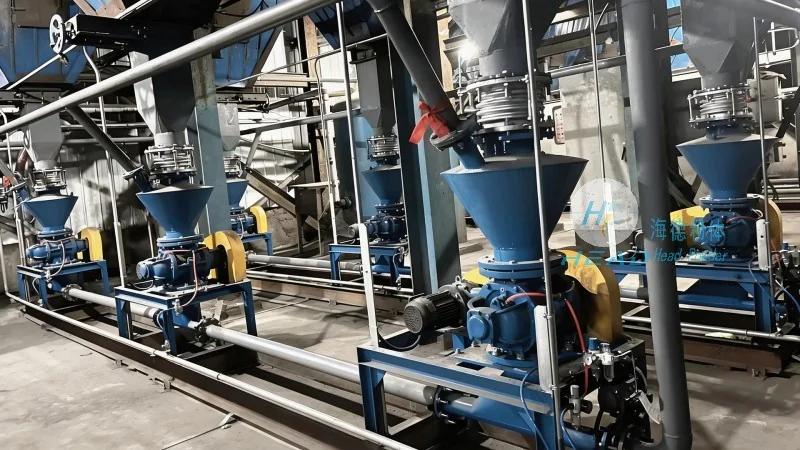
Energy efficiency is also a key consideration in the design of pneumatic conveying systems. By selecting the appropriate air pressure and flow rate, and using efficient components like rotary airlocks and cyclone separators, the system can minimize energy consumption while maintaining reliable operation. HeadPowder's expertise in system optimization ensures that clients achieve both performance and cost-effectiveness.
Operational and Safety Features
Operational considerations also play a significant role in the design. The system must be equipped with safety features such as pressure relief valves, dust collection systems, and monitoring equipment to ensure safe and compliant operation. Additionally, the system's maintenance requirements must be considered, with easy access to components and clear maintenance schedules to minimize downtime.
Applications Across Industries
Applications of gypsum material pneumatic conveying systems are widespread across various industries. In the construction industry, these systems are used to transport gypsum from storage silos to production lines for drywall manufacturing. In the cement industry, they help in conveying gypsum as a raw material for cement production. Other applications include pharmaceuticals, where gypsum is used in certain formulations, and in agricultural applications for gypsum as a soil amendment.
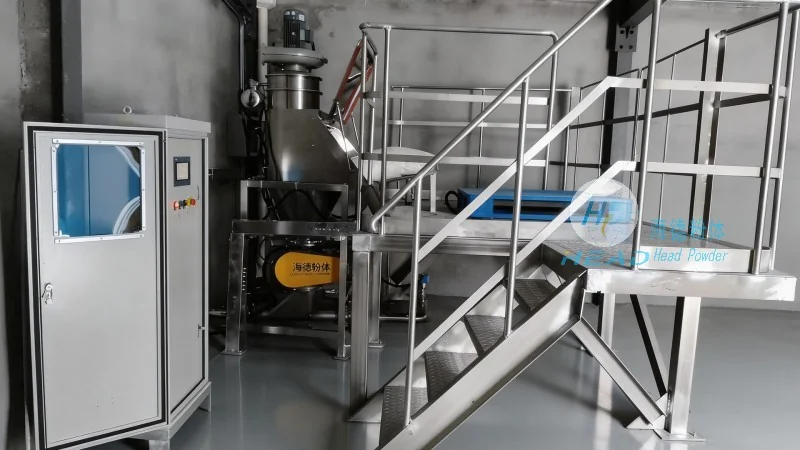
HeadPowder's Expertise in Customized Solutions
HeadPowder's commitment to quality and customer satisfaction is evident in their approach to system design. By working closely with clients to understand their specific needs and operational requirements, HeadPowder provides customized solutions that meet the unique challenges of handling gypsum materials. The company's team of experienced engineers uses advanced design software and rigorous testing protocols to ensure that each system is optimized for performance, reliability, and longevity.
Benefits of Choosing a Pneumatic Conveying System for Gypsum
Choosing the right pneumatic conveying system for gypsum handling is essential to maximize operational efficiency and minimize downtime. With its comprehensive understanding of material properties and system design, HeadPowder offers a reliable solution that addresses the specific needs of industrial operations. By investing in a well-designed pneumatic conveying system, companies can improve their production processes, reduce material loss, and enhance overall operational safety.