

What is a Phenolic Powder Material Pneumatic Conveying System? And What Are Its Design Principles?
Phenolic powder, also known as Bakelite powder, is a thermosetting plastic material widely used in various industrial applications due to its excellent electrical insulation properties, heat resistance, and mechanical strength. The efficient handling and transportation of phenolic powder from production sites to processing or packaging areas is crucial for maintaining product quality and operational efficiency. This is where a phenolic powder material pneumatic conveying system comes into play, offering a reliable and effective solution for material transport. In this article, we will explore what such a system entails and delve into its core design principles.
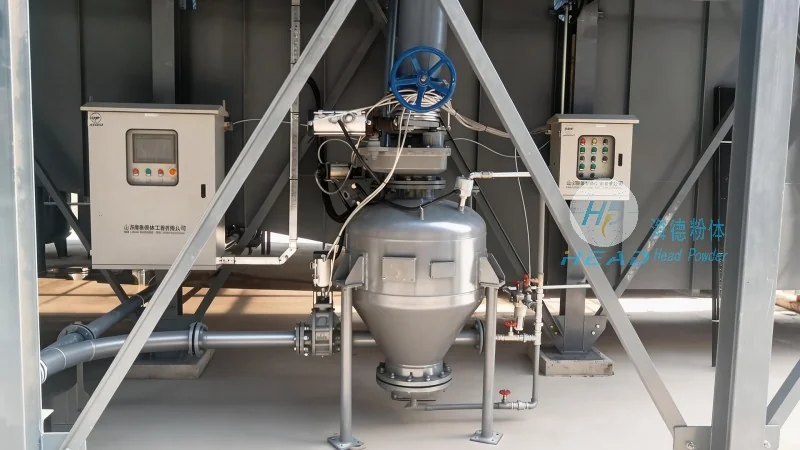
About Shandong HeadPowder Engineering Co., Ltd.
HeadPowder, the professional manufacturer behind these advanced conveying systems, is a leading company based in Shandong, China. With years of experience in the engineering and manufacturing of pneumatic conveying equipment, HeadPowder specializes in providing customized solutions tailored to the unique needs of clients in the phenolic powder industry. The company’s commitment to quality, innovation, and customer satisfaction has established it as a trusted partner for businesses seeking efficient material handling solutions.
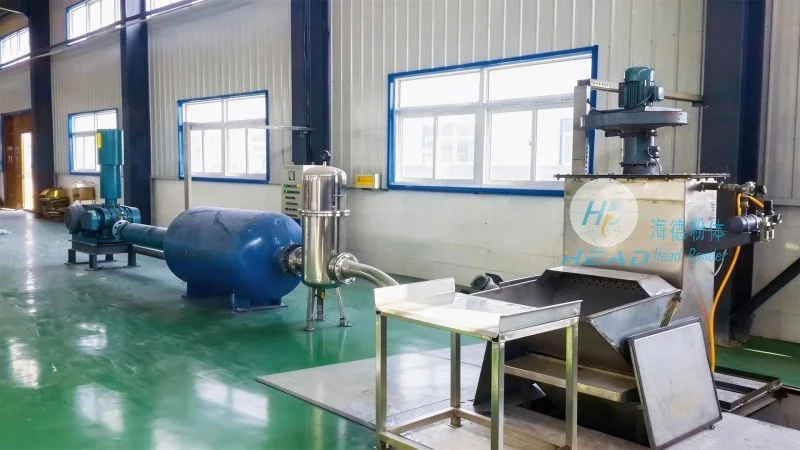
Understanding Phenolic Powder Pneumatic Conveying Systems
A phenolic powder material pneumatic conveying system is a type of pneumatic conveying equipment designed specifically to transport phenolic powder through a pipeline using air or other gas as the conveying medium. Unlike traditional mechanical conveying methods, which rely on belts, screws, or buckets, pneumatic conveying systems utilize the force of air to move the powder, offering several advantages such as reduced product contamination, lower maintenance requirements, and the ability to handle fine powders without clogging. The system typically consists of several key components, including a hopper for material storage, a feeder to control the flow rate, a conveying line, and a receiver for the discharged material. Each component plays a critical role in ensuring the smooth and efficient operation of the system.
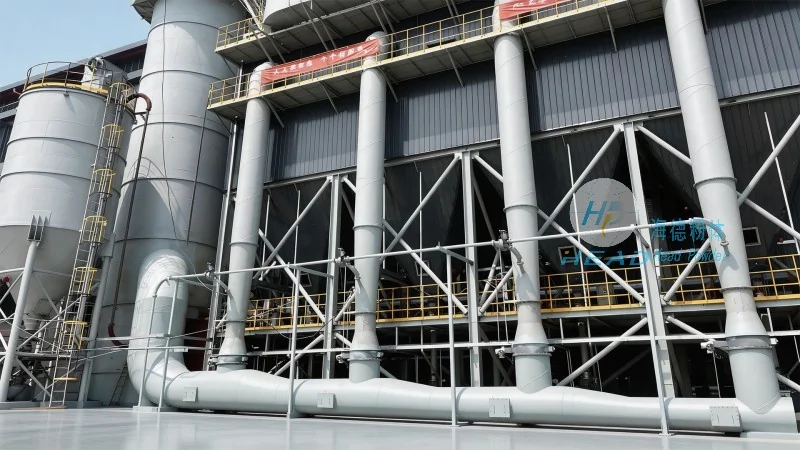
Core Design Principles of the System
The design of a phenolic powder pneumatic conveying system is based on several fundamental principles to ensure optimal performance and reliability. The first principle is the selection of appropriate air velocity and pressure. The air velocity must be high enough to overcome the friction between the powder particles and the pipeline walls, preventing particle deposition and ensuring consistent flow. At the same time, the pressure must be sufficient to maintain the material in suspension without causing excessive wear on the system components. The second principle is the proper sizing of the conveying line and components. The diameter of the pipeline is critical, as it directly affects the air flow rate and the capacity of the system. Oversized or undersized lines can lead to inefficiencies or even system failure. The third principle is the use of suitable materials for the construction of the system. Phenolic powder is a corrosive material that can cause wear and tear on metal components, so the system is typically constructed using materials such as stainless steel or special alloys that are resistant to chemical attack. Additionally, the system may include features such as air filters and cyclone separators to prevent dust accumulation and maintain air quality.
Advantages of Using a Phenolic Powder Pneumatic Conveying System
Implementing a phenolic powder material pneumatic conveying system offers numerous benefits for industrial operations. One of the primary advantages is the reduction in product contamination. Unlike mechanical conveying methods, which may introduce dust or foreign particles into the powder, pneumatic conveying systems keep the material enclosed within the pipeline, minimizing the risk of contamination. This is particularly important for phenolic powder, which is often used in applications where purity is critical, such as in the production of electrical components or automotive parts. Another advantage is the lower maintenance requirements. Pneumatic conveying systems have fewer moving parts compared to mechanical systems, reducing the need for regular maintenance and repairs. This leads to lower operational costs and increased system uptime. Furthermore, pneumatic conveying systems are highly flexible and can be easily integrated into existing production lines. They can be adjusted to handle varying flow rates and material types, making them suitable for a wide range of applications. The system also offers improved safety features, as the material is contained within the pipeline, reducing the risk of dust explosions or inhalation of fine particles. Overall, a phenolic powder pneumatic conveying system provides a reliable, efficient, and cost-effective solution for material handling in the phenolic powder industry.
Conclusion
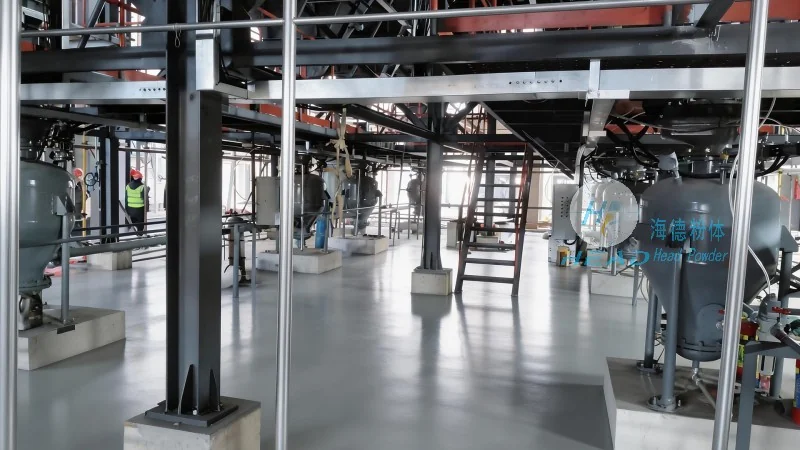
Phenolic powder material pneumatic conveying systems are essential equipment for the efficient and safe handling of phenolic powder in industrial settings. The design principles behind these systems, including proper air velocity and pressure control, appropriate component sizing, and the use of corrosion-resistant materials, ensure optimal performance and reliability. Companies like Shandong HeadPowder Engineering Co., Ltd. play a crucial role in providing customized solutions that meet the specific needs of clients in the phenolic powder industry. By investing in a high-quality pneumatic conveying system, businesses can enhance their operational efficiency, maintain product quality, and reduce costs, ultimately contributing to their long-term success in the market.