

What is a Lithium Hexafluorophosphate Powder Pneumatic Conveying Line? And What Are Its Design Princ
Understanding the lithium hexafluorophosphate powder pneumatic conveying line is crucial for industries dealing with this critical lithium salt. This system is designed to efficiently transport lithium hexafluorophosphate, a key component in lithium-ion battery production, from one location to another. The following content will explore what this conveying line entails and the fundamental design principles that underpin its operation.
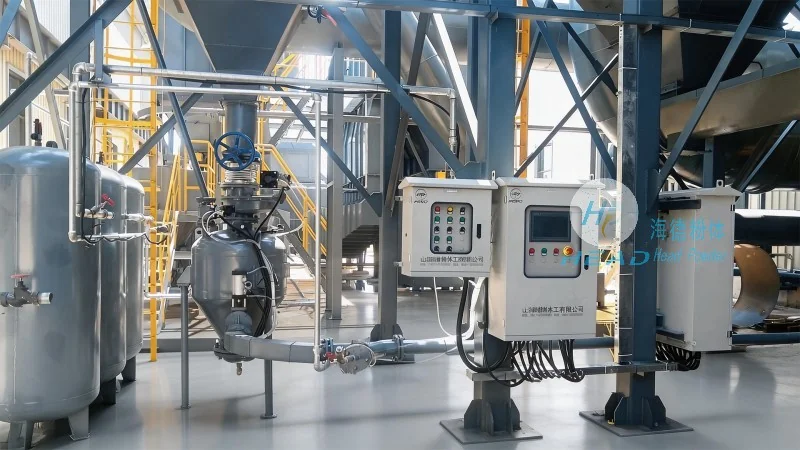
Introduction to Lithium Hexafluorophosphate Powder Pneumatic Conveying Line
Lithium hexafluorophosphate (LiPF₆) is a widely used electrolyte salt in lithium-ion batteries, and its handling requires specialized equipment to ensure safety and efficiency. The powder pneumatic conveying line is a system that uses air or other gases to move LiPF₆ powder through a network of pipes. This method is preferred over traditional mechanical conveying due to its ability to handle fine powders without clogging and its reduced risk of dust exposure. The system typically consists of a material feed hopper, a conveying line with multiple sections, and a receiving hopper or storage tank. The entire setup is engineered to maintain the integrity of the LiPF₆ powder while ensuring smooth and continuous operation.
Key Components of the Pneumatic Conveying System
The lithium hexafluorophosphate powder pneumatic conveying line comprises several essential components, each playing a vital role in the overall process. The primary components include the material hopper, which holds the LiPF₆ powder and provides a controlled feed to the system. The hopper is equipped with a rotary valve or a star feeder to regulate the flow of powder into the conveying line, preventing blockages and ensuring a consistent feed rate. The conveying line itself is made of materials resistant to chemical corrosion, such as stainless steel or specialized plastics, to withstand the acidic nature of LiPF₆. The line includes various sections like straight pipes, bends, and expansion joints, all designed to minimize pressure drop and maintain the flow of air and powder. At the receiving end, a cyclone separator or a filter system is used to separate the powder from the air, allowing the LiPF₆ to be collected in a clean container. The system may also include a vacuum or pressure pump to create the necessary airflow, depending on the configuration (e.g., pressure or vacuum conveying).
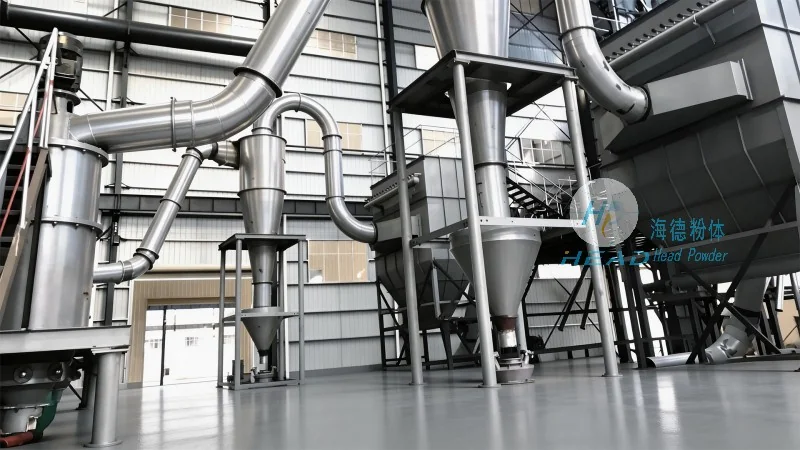
Design Principles for Efficient Operation
The design of a lithium hexafluorophosphate powder pneumatic conveying line is based on several key principles to ensure optimal performance, safety, and reliability. The first principle is maintaining a consistent air-to-powder ratio, which is critical for preventing clogging and ensuring the powder is fully suspended in the air stream. The ratio is determined by the particle size, density, and flow characteristics of the LiPF₆ powder. Engineers calculate the required air velocity and flow rate to achieve proper suspension, typically aiming for an air velocity that is 1.5 to 2 times the terminal velocity of the powder particles. This ensures that the powder remains in a fluidized state, preventing settling and blockages in the pipes.
Another crucial design principle is the consideration of pressure drop. The system is designed to minimize pressure losses along the conveying line to reduce energy consumption and prevent excessive wear on the components. This involves selecting appropriate pipe diameters, using smooth pipe surfaces, and minimizing the number of bends and fittings. The pressure drop is calculated based on the length of the line, the diameter of the pipes, and the air velocity. Proper design ensures that the system operates within the capacity of the air compressor or vacuum pump, avoiding overloading and ensuring stable operation.
Safety and Environmental Considerations
Given that LiPF₆ is a hazardous material, the design of the pneumatic conveying line incorporates several safety features to protect operators and the environment. The system is equipped with dust collection and filtration systems to capture any airborne particles, preventing dust emissions into the workplace. The hopper and conveying line are designed with explosion-proof components where necessary, especially in areas where there is a risk of dust accumulation. The system also includes pressure relief valves and emergency shut-off mechanisms to prevent over-pressurization and ensure quick response in case of a malfunction. Additionally, the materials used in the construction of the system are chosen for their resistance to corrosion and chemical attack, ensuring long-term durability and safety.
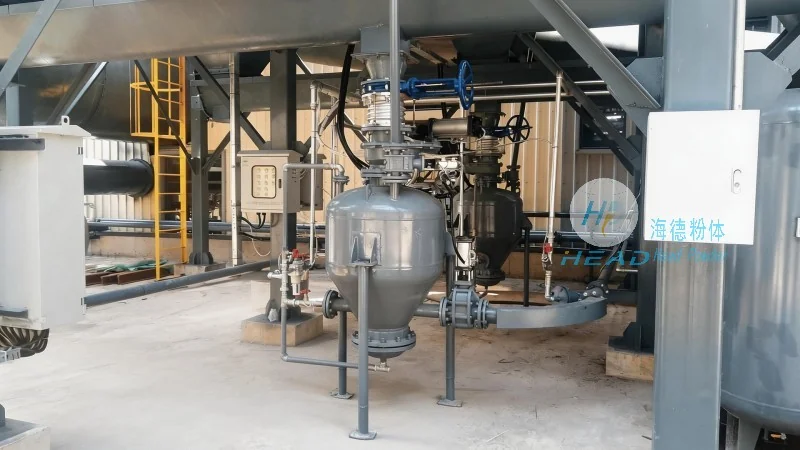
Applications and Industry Impact
The lithium hexafluorophosphate powder pneumatic conveying line is a critical piece of equipment in the lithium-ion battery manufacturing industry. It enables the efficient and safe transport of LiPF₆ from production facilities to battery assembly lines, ensuring a steady supply of this essential electrolyte. The system's ability to handle fine powders without clogging and its low dust generation make it ideal for applications where product purity and safety are paramount. By optimizing the design and operation of the conveying line, manufacturers can improve production efficiency, reduce downtime, and enhance overall operational safety. The technology behind this system has evolved over time, with continuous improvements in material handling and energy efficiency, making it a reliable solution for the growing demand for lithium-ion batteries.
Conclusion
In summary, the lithium hexafluorophosphate powder pneumatic conveying line is a sophisticated system designed to transport this critical lithium salt efficiently and safely. Its design is based on principles of fluid dynamics, material handling, and safety, ensuring optimal performance and reliability. The system's components, including the hopper, conveying line, and separation equipment, work together to maintain the integrity of the LiPF₆ powder while minimizing energy consumption and environmental impact. As the demand for lithium-ion batteries continues to grow, the importance of such specialized conveying systems will only increase, making them a vital part of the battery manufacturing process.