When it comes to the efficient handling and transportation of feed pellets, selecting the right conveying method is crucial for optimizing production processes and maintaining product quality. For businesses in the animal feed industry, understanding the various options available—from traditional systems to advanced pneumatic solutions—is essential for making informed decisions that enhance operational efficiency and cost-effectiveness.
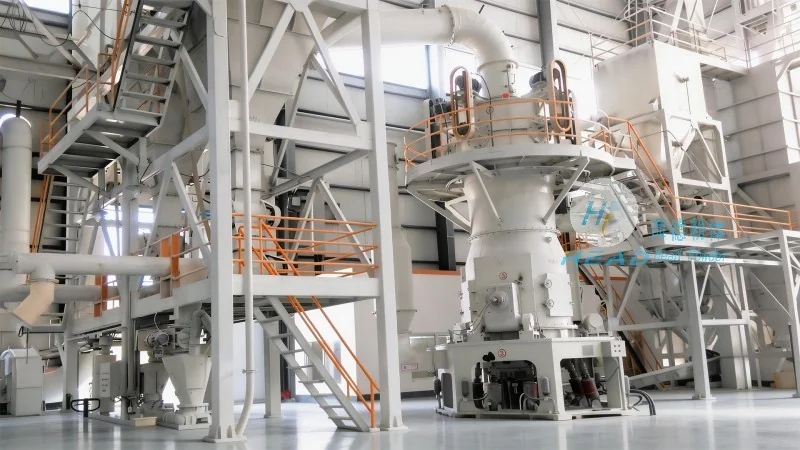
Shandong HeadPowder Engineering Co., Ltd., a leading manufacturer in the field, specializes in providing high-quality conveying equipment tailored to the unique needs of feed processing facilities. With decades of experience in engineering and manufacturing, HeadPowder offers innovative solutions that address the challenges of transporting feed pellets reliably and safely. Based in Shandong, China, the company has built a reputation for delivering robust, durable, and efficient systems that meet the demands of modern feed production.
Traditional Conveying Methods for Feed Pellets
Historically, feed pellet conveying has relied on conventional methods such as belt conveyors, screw conveyors, and bucket elevators. These systems have been widely used due to their simplicity and relatively low initial costs. Belt conveyors, for example, are effective for transporting pellets over short to medium distances, while screw conveyors are ideal for vertical or inclined transport. Bucket elevators, on the other hand, are commonly used in large-scale feed mills to move pellets from storage silos to processing areas.
However, traditional methods have several limitations that can impact efficiency and product integrity. For instance, belt conveyors may cause pellet attrition and dust generation, which can affect the quality of the feed. Screw conveyors can also lead to material buildup and blockages, especially with sticky or wet pellets. Bucket elevators, while effective for vertical transport, may require regular maintenance to prevent wear and tear on components.
Pneumatic Conveying: The Preferred Method for Modern Feed Processing
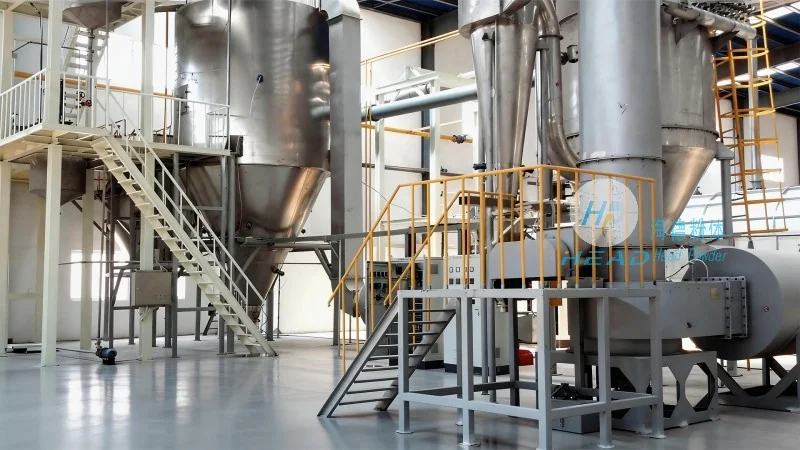
Pneumatic conveying has emerged as the preferred solution for many feed processing facilities due to its ability to handle feed pellets efficiently while minimizing product damage and dust. Unlike traditional systems, pneumatic conveyors use air pressure to transport pellets through a closed pipeline system, eliminating the need for mechanical components that can cause friction and degradation.
HeadPowder’s pneumatic conveying systems are designed to meet the specific requirements of feed pellet transport. These systems utilize positive or negative pressure to move pellets from the source to the destination, ensuring a smooth and continuous flow. The company’s expertise in material handling and process engineering allows them to customize solutions that optimize performance, reduce energy consumption, and enhance overall operational reliability.
Key Advantages of Pneumatic Conveying Systems
One of the primary advantages of pneumatic conveying is its ability to handle a wide range of feed pellet types and sizes without causing damage. The enclosed pipeline system prevents contamination from external sources and minimizes dust exposure, which is critical for maintaining product quality and compliance with industry standards. Additionally, pneumatic systems offer greater flexibility in terms of layout and installation, as they can be easily integrated into existing feed processing lines.
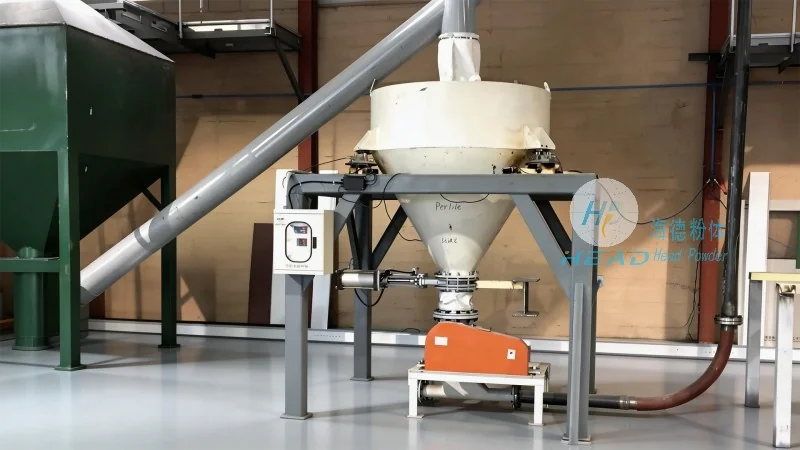
Another key benefit is the reduced maintenance requirements compared to traditional systems. Since there are no moving parts in contact with the pellets, the risk of wear and tear is significantly lower. This results in lower operational costs and less downtime for maintenance, making pneumatic conveying a cost-effective choice for long-term feed production.
How Pneumatic Conveying Works: A Technical Overview
At its core, pneumatic conveying systems operate by creating a pressure differential between the inlet and outlet of the pipeline. In positive pressure systems, air is forced through the pipeline, carrying the feed pellets along with it. The air velocity is carefully controlled to ensure that the pellets remain suspended and do not settle out prematurely. In negative pressure systems, air is drawn from the pipeline, creating a vacuum that pulls the pellets through the system.
HeadPowder’s pneumatic conveying solutions incorporate advanced control systems that monitor and adjust air pressure, flow rate, and velocity in real-time. This ensures consistent performance and prevents issues such as blockages or uneven flow. The company’s engineers work closely with clients to design systems that match their specific feed characteristics, such as pellet density, moisture content, and size distribution, to achieve optimal conveying efficiency.
Factors to Consider When Choosing a Conveying System for Feed Pellets
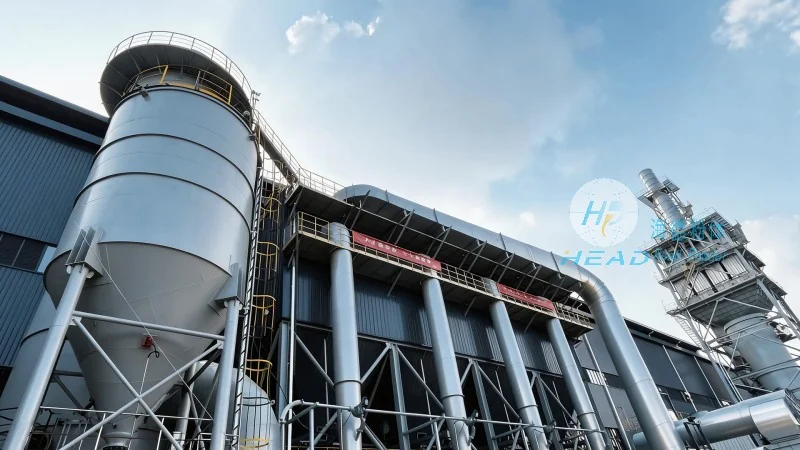
When selecting a conveying system for feed pellets, several factors must be taken into account to ensure the best fit for the operation. The first consideration is the distance and layout of the transport route. For short distances, traditional belt or screw conveyors may be sufficient, but for longer distances or complex layouts, pneumatic conveying is often the better choice.
Another critical factor is the type of feed pellets being handled. Pellets with high moisture content or sticky properties may require specialized equipment to prevent blockages and maintain flow. HeadPowder’s expertise in material properties allows them to recommend the most suitable system, whether it’s a positive pressure system for dry pellets or a negative pressure system for wetter materials.
Energy consumption is also an important consideration. Pneumatic systems typically consume more energy than traditional methods due to the air pressure requirements, but the long-term savings from reduced maintenance and increased efficiency often outweigh the initial energy costs. Additionally, the scalability of the system is a key factor, as feed processing facilities may need to expand their capacity over time. HeadPowder’s modular designs allow for easy expansion, ensuring that the conveying system can grow with the business.




