

What is Corn Grits Powder Pneumatic Conveying? And What Are Its Design Principles?
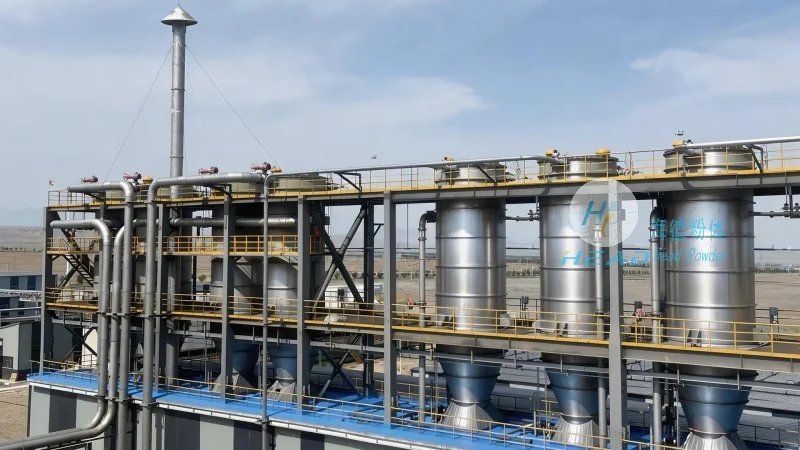
Corn grits are a common byproduct in the agricultural and food processing industries, and efficient handling of these materials is crucial for maintaining productivity and quality. Pneumatic conveying systems offer a reliable solution for transporting corn grits powder, and understanding the technology behind it is essential for optimizing operations. This article explores the concept of corn grits powder pneumatic conveying and delves into the fundamental design principles that underpin such systems.
Introduction to Corn Grits Powder Pneumatic Conveying
Pneumatic conveying, also known as pneumatic transport, is a method of moving bulk materials like corn grits through a pipeline using air or gas as the conveying medium. Unlike mechanical systems that rely on belts, screws, or buckets, pneumatic systems utilize pressure differentials to transport materials, making them ideal for applications where dust control, flexibility, and low maintenance are priorities. For corn grits, which are often fine and abrasive, a well-designed pneumatic conveying system can ensure safe and efficient transport from storage silos to processing equipment.
Understanding Pneumatic Conveying Systems for Corn Grits
The core of a corn grits powder pneumatic conveying system is the ability to create a flow of material by introducing air or gas into the conveying line. This process involves several key steps: material feeding, air injection, and transport through the pipeline. The system typically includes a hopper or silo for material storage, a feeder to control the flow rate, a venturi or other air injection device to create the necessary pressure drop, and a receiver to collect the conveyed material at the destination. Each component plays a critical role in ensuring the system operates efficiently and reliably.
Core Design Principles of Corn Grits Powder Pneumatic Conveying
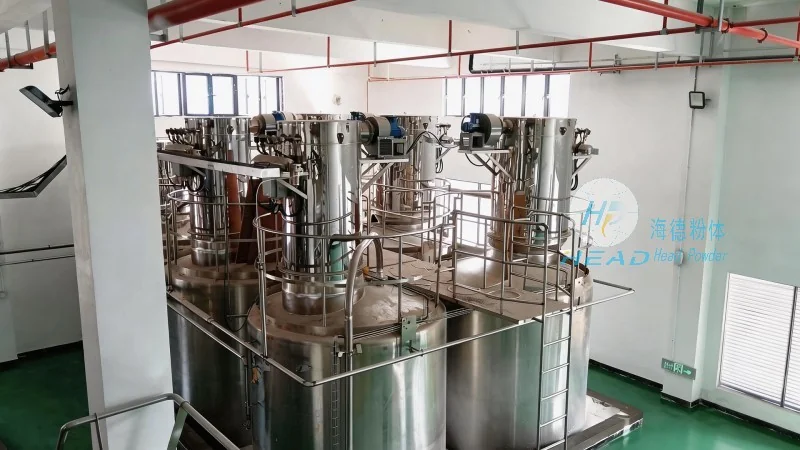
The design of a corn grits powder pneumatic conveying system is governed by several fundamental principles that ensure optimal performance. One of the most important is the balance between the conveying velocity and the material's particle size and density. The velocity must be sufficient to prevent material settling or blockages but not so high as to cause excessive wear on the system components. Engineers must also consider the pressure drop across the system, which is influenced by factors such as pipeline length, diameter, and the number of bends or fittings. Proper sizing of the air compressor and the conveying line is essential to maintain the required pressure and flow rates.
Key Components and Their Functions in the System
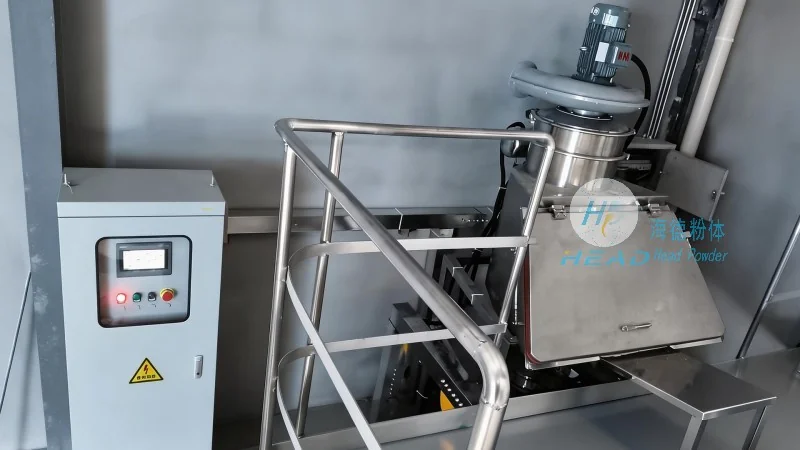
Several critical components make up a corn grits powder pneumatic conveying system. The material hopper or silo serves as the storage and feeding point, ensuring a consistent supply of corn grits to the system. The feeder, often a rotary valve or a mass flow feeder, controls the flow rate of the material, preventing overloading and maintaining stable operation. The air injection device, such as a venturi or a positive displacement blower, creates the pressure differential needed to move the material through the pipeline. The pipeline itself is typically made of stainless steel or other corrosion-resistant materials to withstand the abrasive nature of corn grits. Finally, the receiver or collection hopper collects the conveyed material at the end of the system, completing the transport process.
Practical Applications and Benefits of Using Corn Grits Powder Pneumatic Conveying
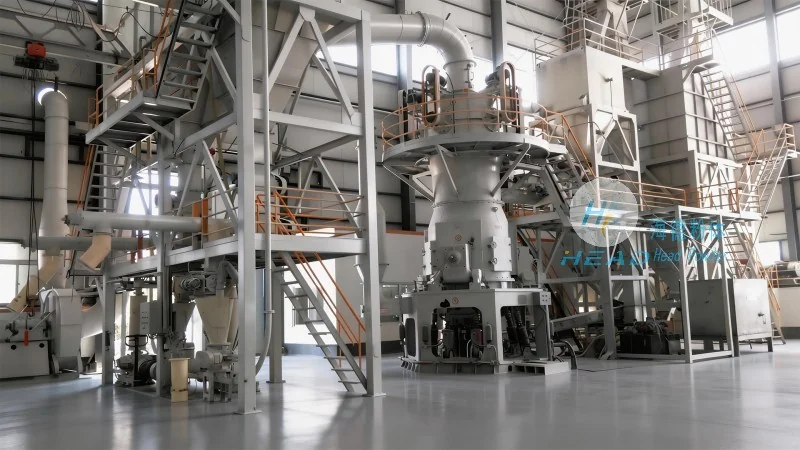
Corn grits powder pneumatic conveying is widely used in various industries, including food processing, animal feed production, and industrial applications. In food processing, it is used to transport corn grits from storage to milling or blending equipment, ensuring a clean and efficient process. In animal feed production, the system helps move corn grits to mixing and packaging lines, improving overall productivity. The benefits of using pneumatic conveying for corn grits include reduced labor costs, improved safety by minimizing manual handling, and better dust control compared to mechanical systems. Additionally, the flexibility of pneumatic systems allows for easy integration with existing processing lines and the ability to transport materials over long distances without the need for multiple transfer points.
About Shandong HeadPowder Engineering Co., Ltd.
Shandong HeadPowder Engineering Co., Ltd., a leading provider of powder handling solutions, specializes in designing and manufacturing pneumatic conveying systems tailored to the needs of the agricultural and food processing industries. With years of experience and a commitment to quality, the company has developed advanced systems that ensure efficient and reliable transport of corn grits and other bulk materials. HeadPowder's expertise in material handling technology, combined with its focus on customer satisfaction, makes it a trusted partner for businesses seeking to optimize their operations. The company's facilities are located in Shandong, China, where it continues to innovate and provide cutting-edge solutions for the industry.