

Regenerated Sand Powder Pneumatic Conveying: Understanding the Concept and Design Principles
Regenerated sand powder pneumatic conveying is a specialized method used in industrial applications to transport fine powders, particularly in the foundry and casting industries. This technology involves the use of air pressure to move materials through a pipeline system, offering a dust-free and efficient alternative to traditional mechanical conveying methods. The process is crucial for handling materials like regenerated sand, which is commonly used in sand molding processes to improve casting quality and reduce waste.
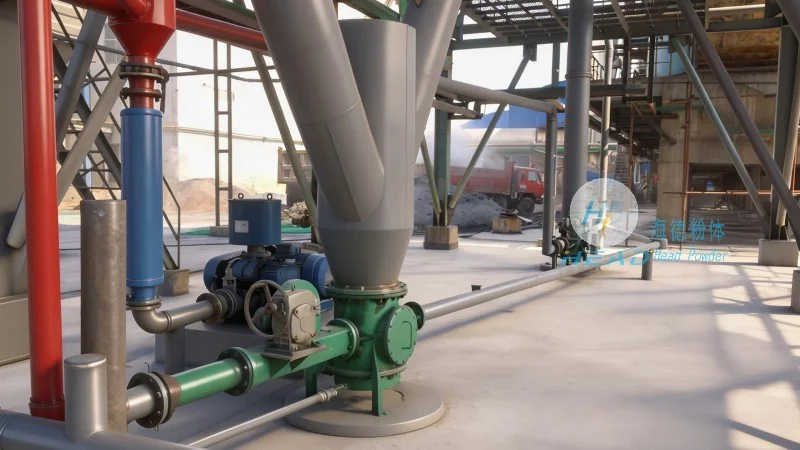
What is Regenerated Sand Powder Pneumatic Conveying?
At its core, regenerated sand powder pneumatic conveying refers to the technique of transporting fine particles of regenerated sand using a pressurized air system. Regenerated sand is a byproduct of the casting process, typically reclaimed from used sand molds and reprocessed to a suitable particle size. The conveying system uses compressed air to create a flow that moves the sand particles through a network of pipes, ensuring that the material is transported without the need for mechanical components like belts or buckets. This method is particularly advantageous in foundries where maintaining a clean environment and preventing dust contamination is essential.
Key Components and Design Principles of the System
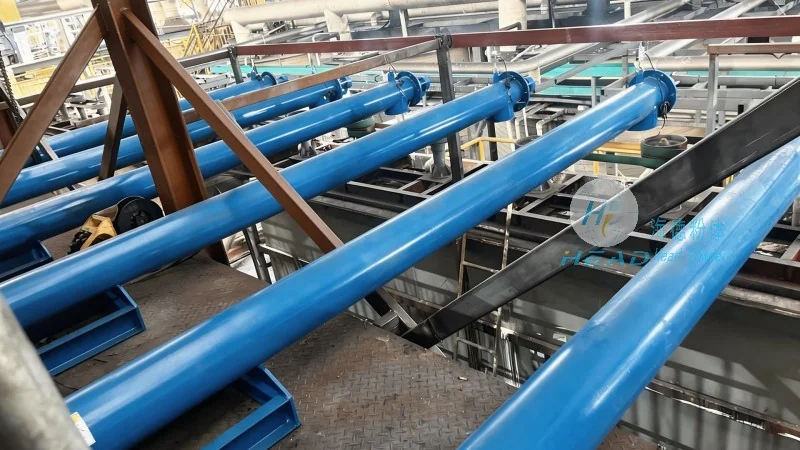
The design of a regenerated sand powder pneumatic conveying system involves several critical components that work together to ensure efficient and reliable operation. The primary components include a dust collector, a material feeder, a conveying line, and a receiver or discharge point. The dust collector is essential for capturing any fine particles that may escape during the conveying process, maintaining air quality and preventing environmental contamination. The material feeder, often a rotary valve or a screw feeder, controls the flow of sand into the system, ensuring a consistent and controlled feed rate. The conveying line, typically made of stainless steel or other corrosion-resistant materials, is designed to withstand the abrasive nature of the sand particles and the pressure of the air system. The receiver, where the sand is deposited, is equipped with a venting system to manage pressure and prevent dust buildup.
How the Pneumatic Conveying Process Works
The operation of a regenerated sand powder pneumatic conveying system begins with the material feeder delivering the sand into the conveying line. Compressed air, usually supplied by an air compressor, is introduced into the line, creating a high-velocity airflow that entrains the sand particles. The air-sand mixture travels through the pipeline, with the air pressure maintaining the flow and preventing the particles from settling. As the mixture reaches the receiver, the air is typically filtered and vented, while the sand is collected in the designated container. The system is designed to handle varying particle sizes and flow rates, with adjustable parameters such as air pressure and feed speed to optimize performance. This process ensures that the sand is transported efficiently and with minimal loss, making it a preferred method for foundries and other industrial applications.
Advantages of Regenerated Sand Powder Pneumatic Conveying
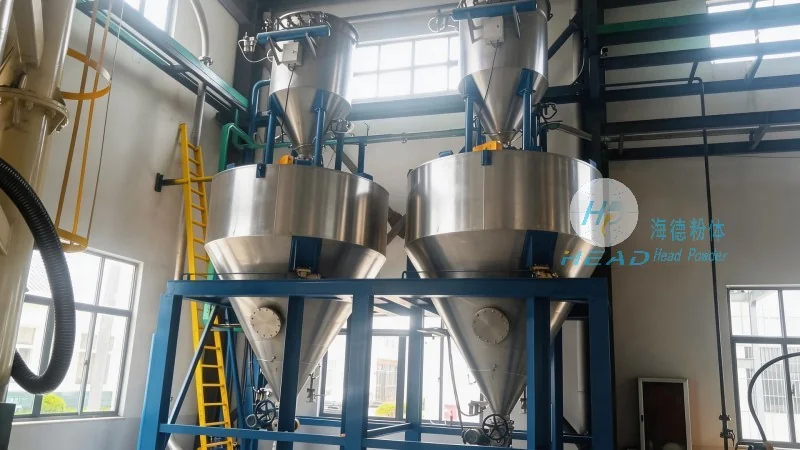
There are several key advantages to using pneumatic conveying for transporting regenerated sand. One of the most significant benefits is the ability to maintain a dust-free environment, which is crucial in foundries where dust can affect the quality of the casting and pose health risks to workers. Unlike mechanical conveying methods, which can generate significant dust and require additional dust control measures, pneumatic systems are enclosed and sealed, reducing the risk of contamination. Another advantage is the efficiency of the process, as the system can handle high volumes of material with minimal downtime. The design also allows for easy integration into existing production lines, with the ability to adjust the conveying rate to match the needs of the casting process. Additionally, the system is relatively low maintenance, as it has fewer moving parts compared to mechanical conveying systems, reducing the risk of breakdowns and increasing overall reliability.
Applications in the Foundry Industry
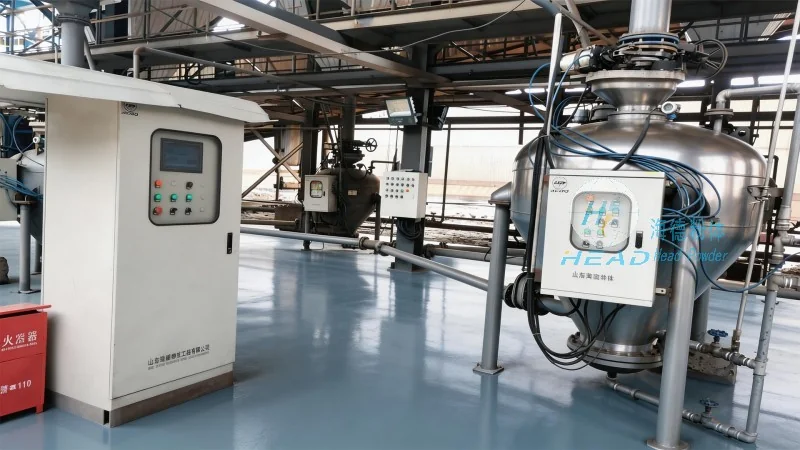
Regenerated sand powder pneumatic conveying is widely used in the foundry industry for several applications. The most common use is in the reclamation and recycling of sand from used molds, where the sand is processed and conveyed back to the molding area for reuse. This process helps to reduce the need for new sand, lowering costs and minimizing environmental impact. The system is also used in the transportation of sand to different parts of the foundry, such as from the reclamation area to the molding machines or from the molding area to the casting area. In addition, the technology is used in the handling of other fine powders, such as additives or binders, which are often mixed with the sand during the molding process. The versatility of the system makes it suitable for a wide range of foundry applications, from small-scale operations to large industrial facilities.
HeadPowder: A Leading Manufacturer of Pneumatic Conveying Systems
Shandong HeadPowder Engineering Co., Ltd., commonly known as HeadPowder, is a professional manufacturer specializing in the design and production of pneumatic conveying systems for industrial applications. With years of experience in the field, HeadPowder has developed a range of high-quality systems tailored to the needs of the foundry industry. The company's products are designed to handle the specific challenges of transporting regenerated sand, including the abrasive nature of the material and the need for dust-free operation. HeadPowder's systems are equipped with advanced features such as adjustable air pressure, variable feed rates, and integrated dust collection, ensuring optimal performance and reliability. The company's commitment to quality and customer satisfaction has made it a trusted partner for many foundries and industrial companies around the world. HeadPowder's headquarters is located in Shandong, China, where the company has a team of experienced engineers and technicians dedicated to developing innovative solutions for its clients.