

[Foam Plastic Powder Pneumatic Conveying: What It Is and Its Design Principles]
Foam plastic powder pneumatic conveying is a specialized method used to transport fine powder materials, such as foam plastic powders, through a pipeline using air or other gas as the conveying medium. This technology is widely applied in various industries, including manufacturing, chemical processing, and material handling, where efficient and reliable powder transport is crucial. The design principles of foam plastic powder pneumatic conveying systems are centered on optimizing the flow of powder particles and air, ensuring minimal particle degradation, low energy consumption, and consistent performance. By understanding the core concepts and design considerations, professionals in the field can effectively implement and maintain these systems for optimal operational efficiency.
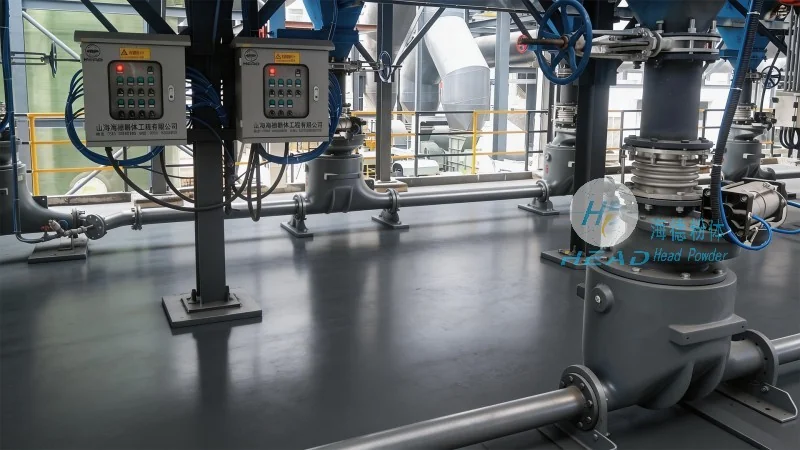
Understanding Foam Plastic Powder Pneumatic Conveying
Foam plastic powder pneumatic conveying involves the use of a pressure or vacuum system to move powder particles through a pipeline. The process typically begins with the powder being introduced into a hopper or feeder, where it is then drawn or pushed through the pipeline by the moving air. The air acts as a carrier, suspending the powder particles and transporting them to the destination. This method is particularly advantageous for foam plastic powders due to their light weight and potential for particle degradation if handled improperly. The system must be designed to minimize particle attrition, maintain particle size distribution, and ensure consistent flow rates.
Key Design Principles for Foam Plastic Powder Pneumatic Conveying Systems
The design of a foam plastic powder pneumatic conveying system is governed by several critical principles that ensure its effectiveness and reliability. First, the system must be capable of handling the specific properties of foam plastic powders, such as their low bulk density and potential for static charge accumulation. This requires careful selection of materials for the pipeline, hoppers, and other components to prevent material buildup and ensure smooth flow. Second, the air velocity and pressure must be optimized to achieve efficient particle suspension without causing excessive wear or energy consumption. The design must balance the need for sufficient air to lift and transport the powder with the need to minimize energy costs. Third, the system should incorporate features to control and monitor the conveying process, such as pressure sensors, flow meters, and control valves, to maintain consistent performance and prevent system failures.
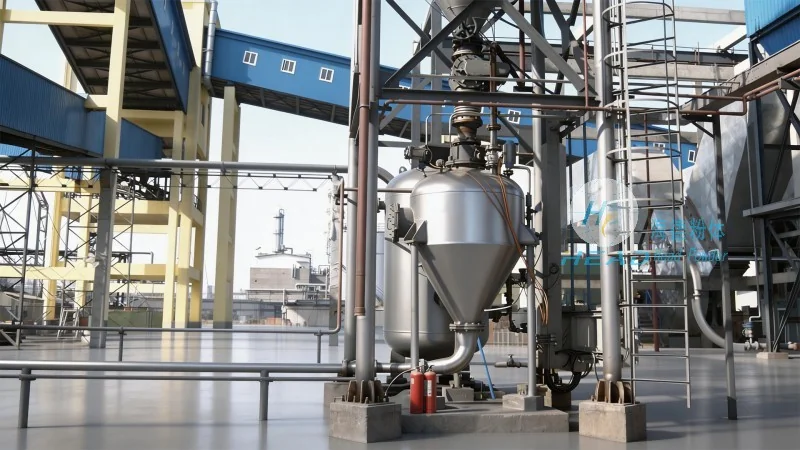
Components and Their Roles in Foam Plastic Powder Pneumatic Conveying
A typical foam plastic powder pneumatic conveying system consists of several key components, each playing a vital role in the overall operation. The primary components include the hopper or feeder, which holds the foam plastic powder and controls the feed rate; the pipeline, which transports the powder and air mixture; the air compressor or vacuum pump, which provides the necessary pressure or vacuum to move the material; and the receiver or discharge hopper, which collects the powder at the destination. Additional components may include filters to remove dust from the air, cyclones to separate powder from air, and control valves to regulate the flow. The selection and integration of these components are critical to the system's performance and longevity.
Advantages of Foam Plastic Powder Pneumatic Conveying
Foam plastic powder pneumatic conveying offers several advantages over traditional mechanical conveying methods. One of the most significant benefits is the ability to transport powders over long distances without the need for multiple transfer points or equipment. This reduces the risk of material contamination and degradation, as the powder remains in a closed system throughout the conveying process. Additionally, pneumatic conveying systems can handle a wide range of powder properties, including those with high moisture content or low bulk density, which are challenging for mechanical systems. The system also provides better control over the flow rate and pressure, allowing for precise dosing and process control. Furthermore, the absence of moving parts in the pipeline reduces maintenance requirements and extends the system's operational life.
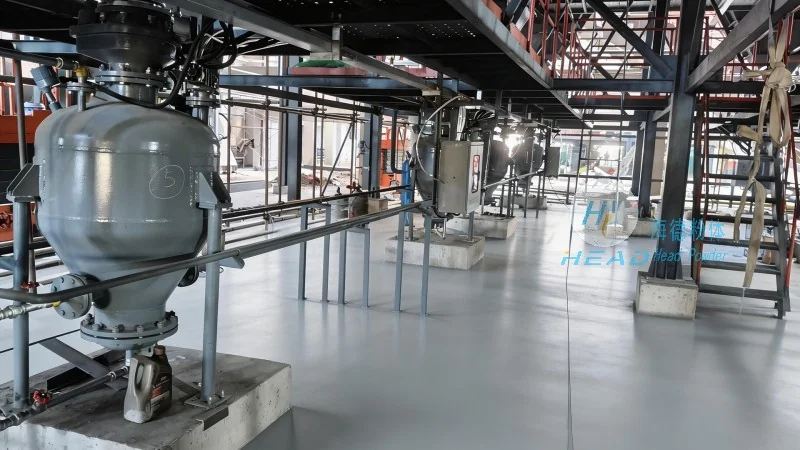
Considerations for Design and Implementation
When designing and implementing a foam plastic powder pneumatic conveying system, several factors must be considered to ensure optimal performance. The first consideration is the specific properties of the foam plastic powder, such as particle size, density, and moisture content. These properties will determine the required air velocity, pressure, and system configuration. The second consideration is the distance and elevation changes between the source and destination, as these will impact the energy requirements and system design. The third consideration is the need for system integration with existing processes, including the ability to connect to other equipment or control systems. Finally, the system must comply with relevant safety and environmental regulations, such as dust control and air quality standards. By addressing these considerations, engineers can design a system that meets the specific needs of the application while ensuring safety and efficiency.
Conclusion
Foam plastic powder pneumatic conveying is a sophisticated and efficient method for transporting fine powder materials, particularly foam plastics. The design principles and components of these systems are carefully engineered to handle the unique properties of foam plastic powders, ensuring minimal degradation, consistent flow, and low energy consumption. By understanding the key design considerations and implementing the appropriate components, industries can achieve reliable and cost-effective powder transport solutions. As a leading provider in this field, Shandong HeadPowder Engineering Co., Ltd. specializes in designing and manufacturing pneumatic conveying systems tailored to the specific needs of clients, with a focus on quality, performance, and customer satisfaction. Based in Shandong, China, the company leverages its expertise and experience to deliver innovative solutions that enhance operational efficiency and productivity in various industries.