

What is a Large-Scale Powder Pneumatic Conveying System? And What Are Its Design Principles?
Large-scale powder pneumatic conveying systems represent a critical technology in the industrial sector, enabling the efficient and safe transportation of bulk powders over long distances. These systems are essential for industries such as food processing, pharmaceuticals, chemicals, and mining, where the handling of fine or abrasive powders requires specialized equipment to maintain product integrity and operational efficiency.
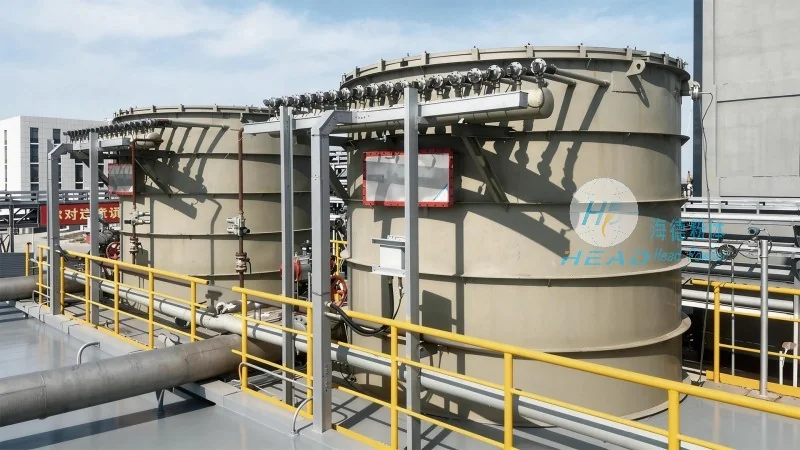
Introduction to Large-Scale Powder Pneumatic Conveying Systems
A large-scale powder pneumatic conveying system is a sophisticated setup designed to transport dry powders through a pipeline using compressed air or other gas as the conveying medium. Unlike traditional mechanical conveying methods, which rely on belts, screws, or buckets, pneumatic systems offer advantages like reduced product contamination, lower maintenance costs, and the ability to handle a wide variety of powder characteristics. The core components of such a system typically include a material feed hopper, a compressor or blower to generate airflow, a pipeline network, and a receiving hopper or silo. The design of these systems must consider factors like powder properties (e.g., particle size, density, moisture content), conveying distance, and the required flow rate to ensure optimal performance.
About HeadPowder: A Leader in Pneumatic Conveying Solutions
HeadPowder, or Shandong HeadPowder Engineering Co., Ltd., is a prominent manufacturer and supplier of advanced pneumatic conveying systems. With headquarters in Shandong, China, the company specializes in designing, manufacturing, and commissioning large-scale powder handling solutions tailored to the unique needs of various industries. HeadPowder's commitment to innovation and quality has positioned it as a trusted partner for businesses seeking reliable and efficient powder transportation solutions. The company's expertise lies in understanding the complexities of powder behavior and translating that knowledge into robust, high-performance systems that meet stringent industry standards.
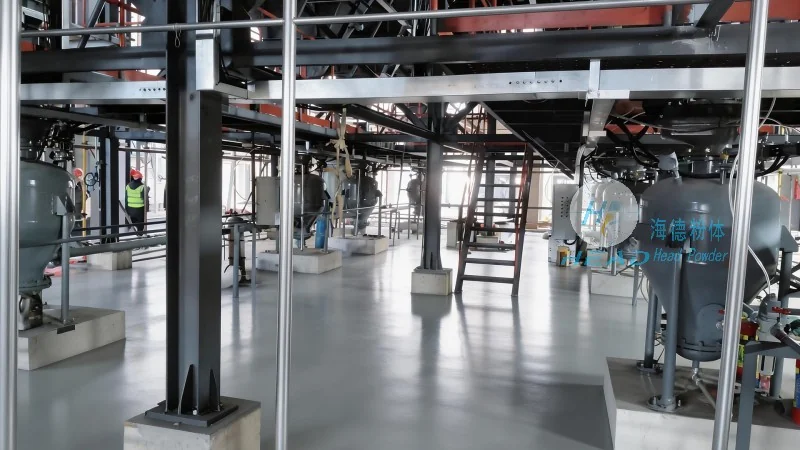
Key Design Principles of Large-Scale Powder Pneumatic Conveying Systems
The design of a large-scale powder pneumatic conveying system involves several critical principles to ensure effective operation and longevity. First, the selection of the appropriate conveying method—whether it's pressure or vacuum—depends on the specific application and powder characteristics. Pressure systems, which use compressed air to push the powder through the pipeline, are commonly used for long-distance or high-capacity conveying, while vacuum systems are suitable for shorter distances or when the material needs to be drawn from a source. The system's design must also account for the velocity of the air-powder mixture, which is crucial for preventing particle segregation and ensuring uniform flow. Properly sized pipelines and components are essential to maintain the required air velocity and pressure, avoiding issues like clogging or reduced efficiency. Additionally, the system incorporates features like in-line mixers, cyclone separators, and filters to maintain product quality and protect equipment from wear and tear.
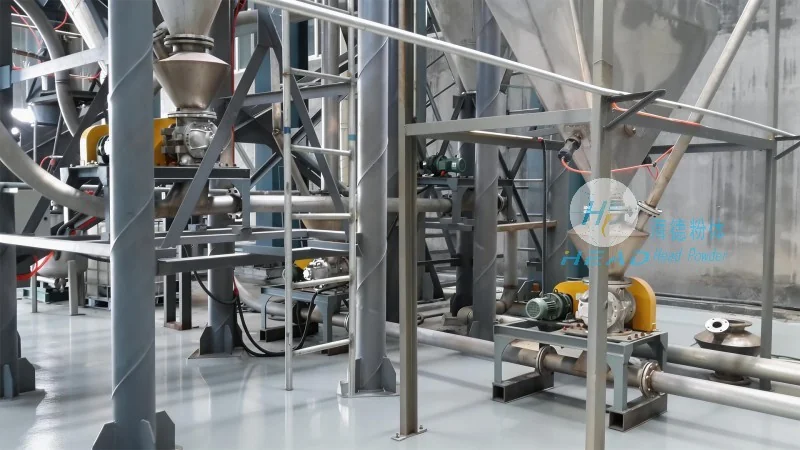
Application and Performance Considerations
Large-scale powder pneumatic conveying systems are applied in diverse industrial settings, from food and pharmaceutical manufacturing to chemical processing and mining operations. The performance of these systems is directly linked to the design principles discussed earlier, as well as the specific requirements of the application. For instance, in the food industry, systems must be designed to meet sanitary standards and prevent cross-contamination, often incorporating stainless steel components and easy-to-clean designs. In the pharmaceutical sector, the focus is on maintaining product purity and sterility, with systems that can be sterilized and validated for use. The ability to handle abrasive or corrosive powders is another key consideration, as these materials can cause significant wear on system components. HeadPowder's systems are engineered to address these challenges, using materials like stainless steel and specialized coatings to extend equipment life and ensure reliable operation.
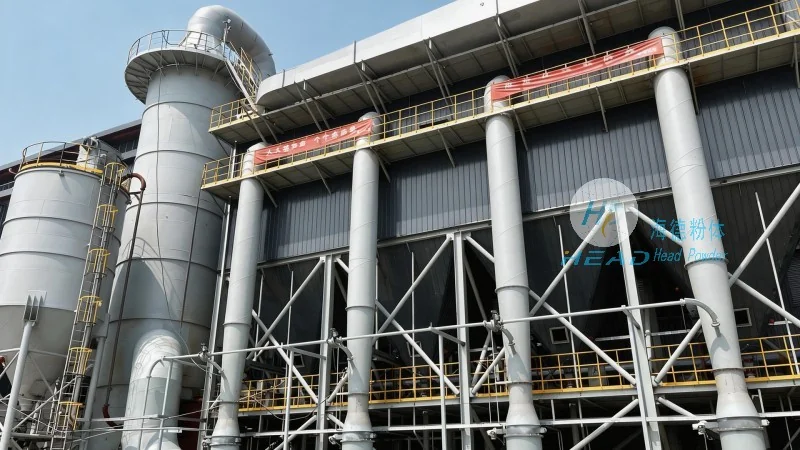
Advantages of Large-Scale Pneumatic Conveying Systems
Compared to traditional mechanical conveying methods, large-scale powder pneumatic conveying systems offer several advantages that make them the preferred choice for many industries. One of the most significant benefits is the reduction in product contamination, as the enclosed pipeline system prevents exposure to external elements and reduces the risk of cross-contamination. This is particularly important in industries like food and pharmaceuticals, where product purity is paramount. Another advantage is the lower maintenance costs associated with pneumatic systems. Unlike mechanical systems, which require regular lubrication and component replacement, pneumatic systems have fewer moving parts and rely on compressed air, reducing the need for frequent maintenance. The flexibility of pneumatic systems is also a key benefit, as they can be easily adapted to changing production needs or expanded to accommodate increased capacity. Additionally, these systems offer better control over the flow rate and pressure, allowing for precise and consistent material handling.
Conclusion
Large-scale powder pneumatic conveying systems are indispensable in modern industrial operations, providing efficient, safe, and reliable transportation of bulk powders. The design principles behind these systems, combined with the expertise of manufacturers like HeadPowder, ensure that they meet the demanding requirements of various industries. By understanding the key components and design considerations, businesses can select and implement the most suitable pneumatic conveying system to enhance their operational efficiency and product quality. As technology continues to advance, these systems will likely evolve to incorporate more sophisticated features, further improving their performance and versatility in the future.