

What is a Gypsum Material Handling Conveyor? And What Are Its Design Principles?
The gypsum material handling conveyor is a specialized industrial system engineered to transport gypsum materials efficiently and safely. As a crucial component in various industrial processes, this conveyor line plays a vital role in material movement, from raw gypsum extraction to processing and packaging. Understanding its design principles and operational mechanics is essential for optimizing production workflows and ensuring operational efficiency.
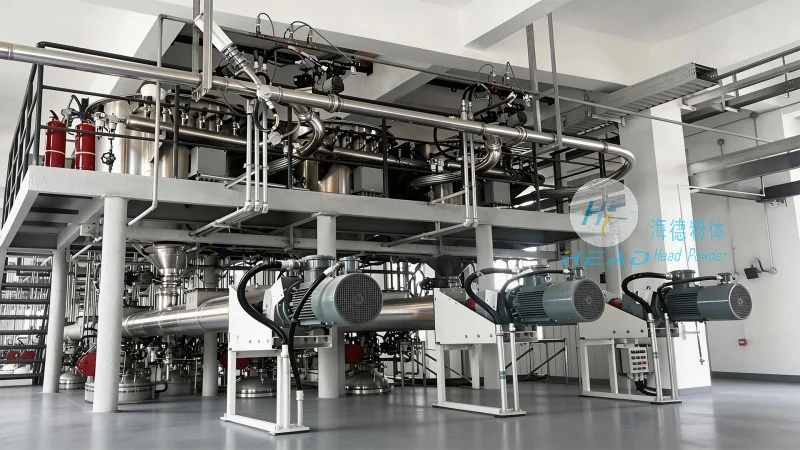
Introduction to Gypsum Material Handling Conveyors
HeadPowder, a leading manufacturer based in Shandong, China, specializes in the design, manufacturing, and installation of high-quality gypsum material handling conveyors. With years of experience in the industry, HeadPowder has developed robust solutions tailored to meet the diverse needs of clients across different sectors.
Understanding the Core Components of Gypsum Material Transport Lines
The core components of a gypsum material handling conveyor typically include a conveyor belt, drive system, idlers, supports, and control mechanisms. The conveyor belt, often made from durable materials such as rubber or polyurethane, is designed to withstand the weight and abrasiveness of gypsum materials. The drive system, which may consist of electric motors or mechanical systems, provides the necessary power to move the belt and transport the material. Idlers and supports are strategically placed along the conveyor to maintain the belt's tension and alignment, ensuring smooth operation. Control mechanisms, including sensors and control panels, allow operators to monitor and adjust the conveyor's speed and direction as needed.
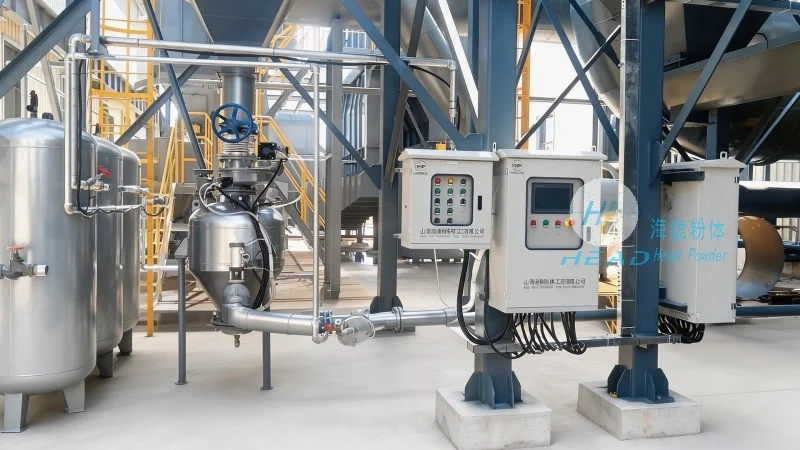
Design Principles Behind Gypsum Material Handling Systems
The design principles of gypsum material handling conveyors are centered on efficiency, durability, and adaptability. Engineers consider factors such as material characteristics, load capacity, and operational environment when designing these systems. For instance, the belt's material and thickness are selected based on the type of gypsum being transported—whether it's powdered, granular, or in block form. The conveyor's slope and speed are optimized to minimize material degradation and ensure consistent flow. Additionally, the system's structural design is engineered to handle the mechanical stresses associated with continuous operation, ensuring long-term reliability.
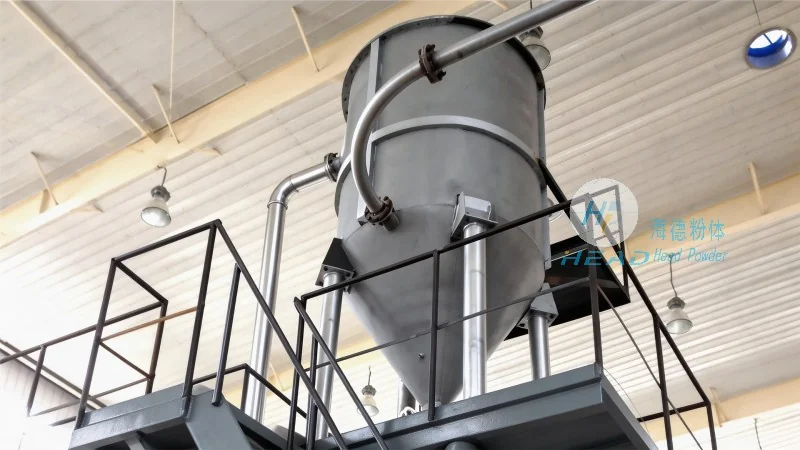
Practical Applications and Industry Use Cases
Gypsum material handling conveyors are widely used in industries such as construction, pharmaceuticals, and agriculture. In the construction industry, they are essential for transporting gypsum board and other building materials to construction sites. The pharmaceutical industry utilizes these conveyors for transporting gypsum-based raw materials used in the production of medical products. In agriculture, they help in moving gypsum for soil conditioning and fertilization. Each application requires a customized conveyor design to address specific material handling challenges.
Key Considerations for Selecting a Gypsum Material Handling Conveyor
When selecting a gypsum material handling conveyor, several key factors must be considered. First, the material's physical properties, including its density, moisture content, and abrasiveness, influence the choice of conveyor components. Second, the required load capacity and conveyor length determine the system's scale and power requirements. Third, the operational environment, such as temperature and humidity, affects the material selection for the conveyor's components. Finally, the budget and maintenance requirements play a crucial role in the decision-making process. HeadPowder offers a range of customizable solutions that cater to these considerations, ensuring clients receive a system that meets their specific needs.