

What is a Microsilica Powder Material Handling Line? What Are Its Design Principles?
Microsilica powder, also known as silica fume, is a fine, high-purity silica powder with a particle size typically ranging from 0.1 to 0.2 micrometers. It is widely used in various industrial applications, including concrete production, refractory materials, and specialty chemicals. The efficient and safe transportation of microsilica powder is crucial for industrial operations, as it requires specialized equipment to handle its unique properties such as high fineness, low bulk density, and potential dust generation. This article explores the concept of a microsilica powder material handling line and delves into its design principles, focusing on the technical aspects and operational considerations necessary for effective material transport.
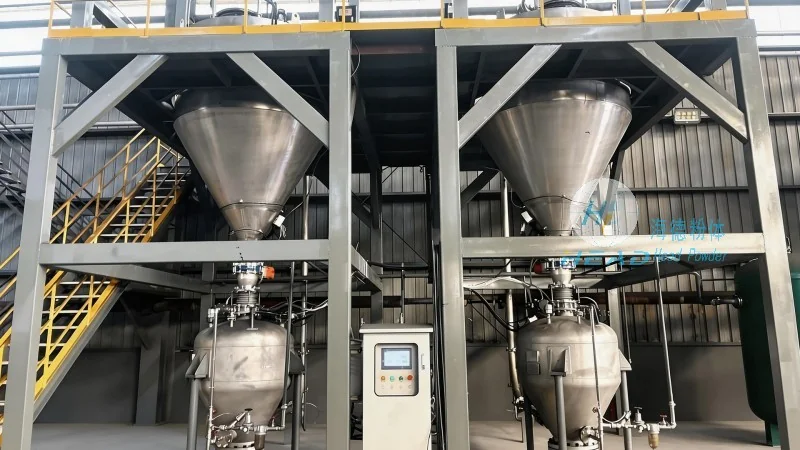
Understanding the Role of a Microsilica Powder Material Handling Line
A microsilica powder material handling line is a systematic arrangement of equipment and components designed to transport microsilica powder from its source to its destination within an industrial facility. The primary goal of such a line is to ensure the safe, efficient, and reliable movement of the powder while minimizing dust exposure, product loss, and operational risks. These systems are typically integrated into larger production processes, where microsilica is used as an additive or raw material. The design of the handling line must consider the specific characteristics of microsilica powder, including its particle size distribution, moisture content, and flowability, to optimize performance and maintain product quality.
Key Components of a Microsilica Powder Handling Line
The design of a microsilica powder handling line involves several critical components, each serving a specific function in the material transport process. These components work in tandem to ensure smooth and continuous operation. The main components typically include:
1. Storage Silos
Storage silos are used to store bulk quantities of microsilica powder before it is transported to the processing or packaging stages. These silos are usually made of stainless steel or other corrosion-resistant materials to prevent contamination and ensure the powder remains in good condition. The design of the silo, including its shape and internal surfaces, is crucial for preventing agglomeration and maintaining the flowability of the powder. Some silos are equipped with agitators or vibrators to help break up any clumps that may form over time, ensuring a consistent feed to the downstream equipment.
2. Feeding Equipment
Feeding equipment is responsible for controlling the flow rate of microsilica powder from the storage silo to the subsequent processing units. Common feeding devices include rotary valves, screw feeders, and gravimetric feeders. Rotary valves are widely used due to their ability to provide a controlled, uniform flow of powder while preventing backflow. Screw feeders are suitable for handling powders with moderate flowability, and they can be adjusted to regulate the discharge rate. Gravimetric feeders are used when precise weight measurement is required, often in batching applications where the exact amount of microsilica is critical for product formulation.
3. Conveying Systems
Conveying systems are used to transport microsilica powder from one location to another within the handling line. The choice of conveying method depends on the distance, elevation change, and material characteristics. Common conveying options include:
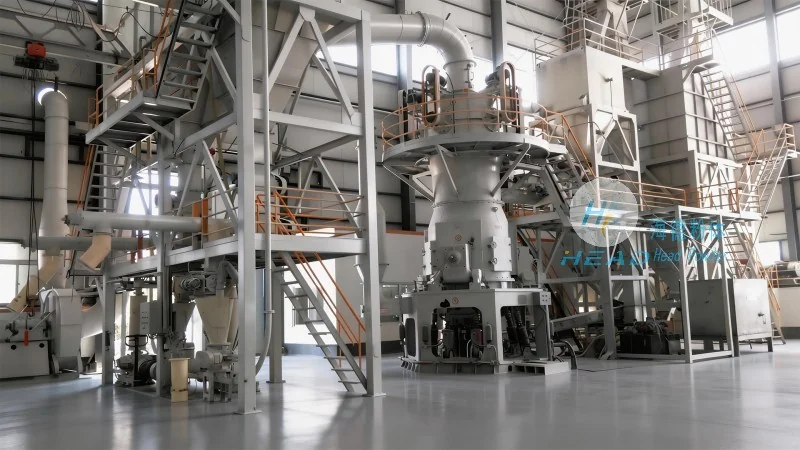
- Pneumatic Conveying: This method uses air pressure to move the powder through a pipeline. It is suitable for short to medium distances and can handle fine powders effectively. Pneumatic systems can be classified as pressure or vacuum systems, with pressure systems being more common for microsilica transport due to their ability to handle high concentrations of powder.
- Mechanical Conveyors: For longer distances or when higher material capacities are required, mechanical conveyors such as belt conveyors or bucket elevators may be used. Belt conveyors are ideal for horizontal or slight incline transport, while bucket elevators are suitable for vertical lifting. These systems are generally more cost-effective for large-scale operations but may require more maintenance compared to pneumatic systems.
4. Dosing and Mixing Equipment
After the powder is conveyed to the processing area, it may need to be dosed into other materials or mixed with additives. Dosing equipment, such as volumetric or gravimetric dosers, ensures the precise addition of microsilica to the final product. Mixing equipment, like high-shear mixers or paddle mixers, then combines the microsilica with other components to achieve the desired blend. The design of these units must consider the powder's flow properties and the need to avoid segregation or uneven mixing.
Design Principles for Microsilica Powder Handling Lines
The design of a microsilica powder handling line is guided by several key principles aimed at optimizing performance, safety, and efficiency. These principles are tailored to the unique characteristics of microsilica powder and the operational requirements of the industrial application. The primary design considerations include:
1. Dust Control and Environmental Protection
Microsilica powder is fine and can generate significant dust during handling. Effective dust control is essential to protect workers' health and comply with environmental regulations. The handling line design incorporates various measures, including:
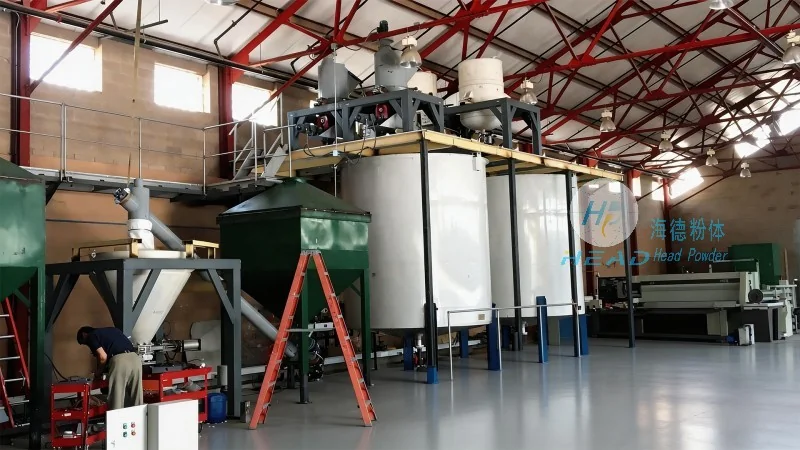
- Airtight Sealing: All components, including silos, feeders, and conveyors, are designed with tight seals to prevent dust leakage. Gaskets and O-rings are used to ensure a secure fit, minimizing the risk of dust escape.
- Dust Collection Systems: Exhaust hoods and dust collection units are installed at key points, such as silo discharge and conveyor discharge, to capture airborne particles. These systems use filters or cyclones to separate the powder from the air, which is then recirculated or safely discharged.
- Local Exhaust Ventilation: Local exhaust ventilation (LEV) is employed to remove dust at the source, reducing the concentration of airborne particles in the work environment. This helps maintain a safe and healthy workplace for operators.
2. Material Flow Optimization
Optimizing the flow of microsilica powder is critical to prevent issues such as clogging, bridging, or segregation. The design of the handling line addresses these challenges through:
- Appropriate Equipment Selection: Choosing equipment with suitable flow characteristics, such as rotary valves with low friction and screw feeders with adjustable pitch, helps maintain a consistent flow rate.
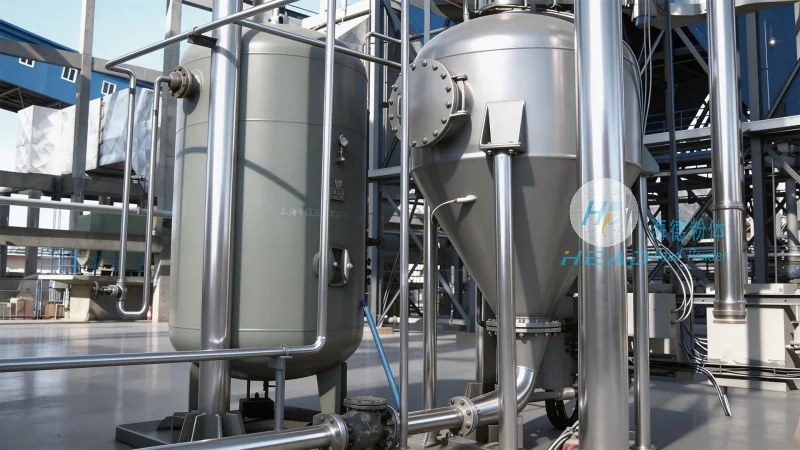
- Internal Surface Design: The internal surfaces of silos, hoppers, and pipelines are designed to be smooth and free of sharp edges or corners, which can cause powder to stick or accumulate. Some systems use internal liners or coatings to improve flow and reduce wear.
- Vibration and Aeration: In some cases, vibrators or aeration devices are installed to help break up clumps and maintain the flowability of the powder. This is particularly useful for powders that tend to agglomerate over time.
3. Safety and Reliability
Safety is a top priority in the design of microsilica powder handling lines, as the material can pose health risks if inhaled and can cause equipment damage if not handled properly. The design incorporates several safety features:
- Overload Protection: Equipment such as feeders and conveyors are equipped with overload protection mechanisms to prevent damage from excessive material flow or clogging.
- Emergency Shut-Off Systems: Emergency stop buttons and automatic shut-off valves are installed to quickly halt the flow of powder in case of an emergency, reducing the risk of accidents.