For industrial operations dealing with bulk materials like ferric sulfate, efficient material handling is crucial. A pneumatic conveying system offers a reliable solution for transporting these materials safely and effectively. This article explores what a ferric sulfate pneumatic conveying system is and the design principles that underpin its operation.
About HeadPowder: Your Partner in Material Handling Solutions
HeadPowder, a leading provider of engineering solutions, specializes in designing and manufacturing advanced material handling systems. With a focus on innovation and customer satisfaction, HeadPowder has established itself as a trusted name in the industry. Based in Shandong, China, the company leverages its expertise to deliver tailored solutions for various industrial applications. The company’s commitment to quality and performance ensures that clients receive systems that meet their specific operational needs.
What is a Ferric Sulfate Pneumatic Conveying System?
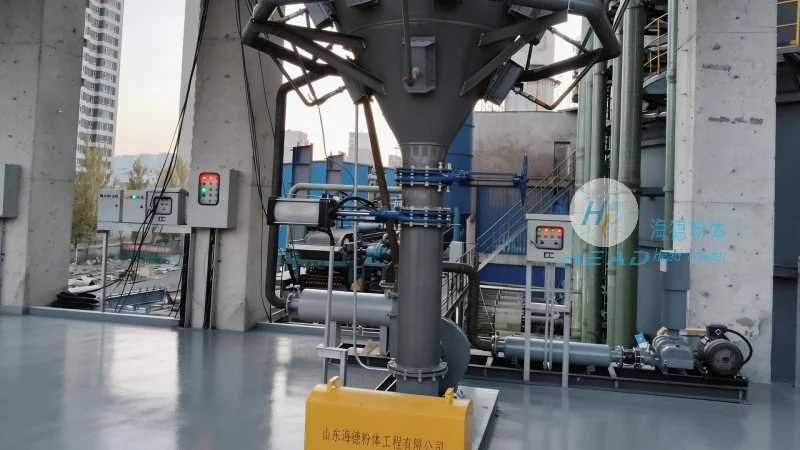
A ferric sulfate pneumatic conveying system is a type of equipment used to transport ferric sulfate—a common chemical used in water treatment, industrial processes, and other applications—through a pipeline using air or other gases. Unlike traditional methods like belt conveyors or trucks, pneumatic conveying systems use pressure differentials to move material, offering advantages such as reduced dust generation, lower maintenance costs, and the ability to handle materials in a closed system.
Key Components of the System
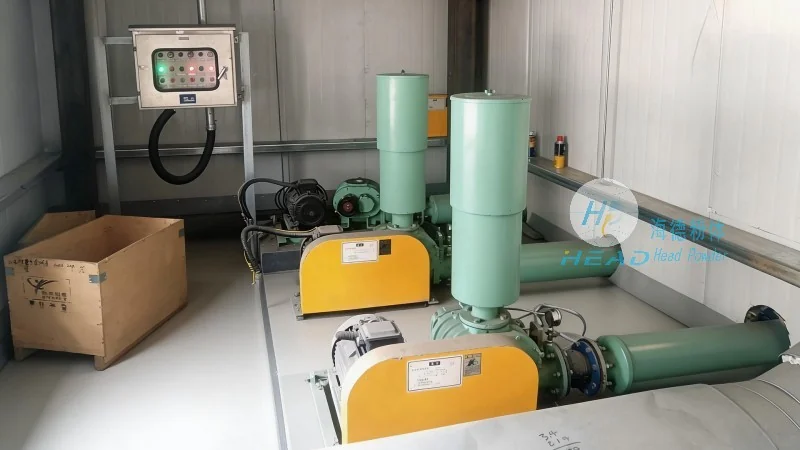
The ferric sulfate pneumatic conveying system typically consists of several key components that work together to ensure efficient material transport. These include a hopper for material storage, a feeder to control the flow of material into the system, a conveying line (often made of stainless steel to resist corrosion from ferric sulfate), a blower or compressor to generate the necessary air pressure, and a receiver or discharge point where the material is deposited. Each component plays a critical role in the overall operation of the system, and their design must be optimized for the specific characteristics of ferric sulfate, such as its density, moisture content, and potential for caking.
Design Principles for Efficient Operation
The design of a ferric sulfate pneumatic conveying system follows several fundamental principles to ensure optimal performance. One of the primary principles is maintaining a consistent flow rate, which is achieved by controlling the feeder and adjusting the air pressure as needed. Another key principle is ensuring that the conveying line is sized appropriately to handle the material's properties, including its particle size and bulk density. This prevents issues like blockages or excessive pressure drops that could lead to system failure. Additionally, the system must be designed to minimize dust generation and ensure compliance with environmental regulations, as ferric sulfate can be a fine powder that poses health and safety risks if not handled properly.
Advantages of Using a Pneumatic Conveying System for Ferric Sulfate
Implementing a pneumatic conveying system for ferric sulfate offers several advantages over traditional material handling methods. First, it provides a closed system that reduces dust exposure and improves workplace safety. This is particularly important for ferric sulfate, which can be irritating to the respiratory system if inhaled. Second, the system is more energy-efficient compared to other methods, as it uses less power to transport the material over short to medium distances. Third, it allows for easy integration with other industrial processes, such as mixing or packaging, by connecting the conveying line to the relevant equipment. Finally, the system is highly flexible, allowing for changes in material flow rates or destinations without major modifications to the infrastructure.
Application Examples and Use Cases
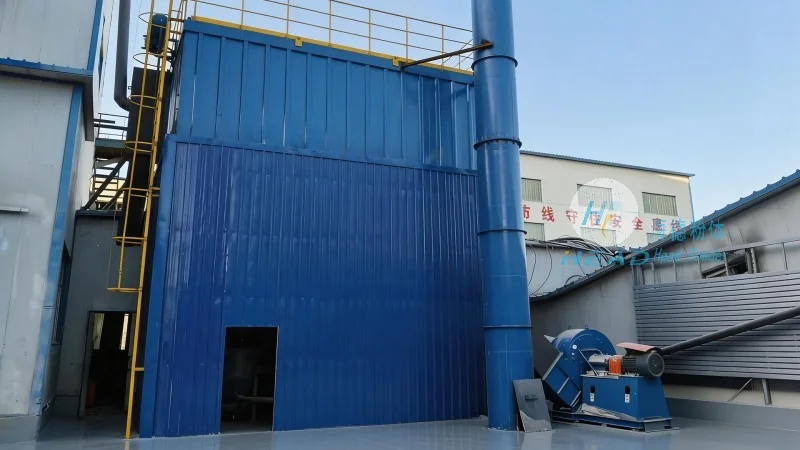
Ferric sulfate pneumatic conveying systems are widely used in various industries where ferric sulfate is a key component. For example, in water treatment plants, the system can transport ferric sulfate from storage silos to dosing points, ensuring precise control over the chemical dosage. In industrial manufacturing, it may be used to move ferric sulfate from production lines to storage areas or to other processing units. Additionally, the system is suitable for applications in the chemical and pharmaceutical industries, where the material needs to be handled in a clean and controlled environment.
Conclusion
A ferric sulfate pneumatic conveying system is a sophisticated and efficient solution for transporting this important chemical. By understanding the design principles and components of the system, industries can improve their material handling processes, enhance safety, and reduce operational costs. With the expertise of companies like HeadPowder, businesses can implement reliable systems that meet their specific requirements and contribute to overall operational efficiency.




