

What is a Pearl Sand Pneumatic Conveying System? What Are Its Design Principles?
In industrial settings where the transport of fine powders like pearl sand is essential, pneumatic conveying systems provide a highly effective and flexible solution. Unlike traditional mechanical systems that rely on belts, buckets, or screw conveyors, pneumatic systems use compressed air or gas to move materials through a pipeline. This method not only eliminates the need for moving parts that can wear out or cause blockages but also allows for the transport of materials over long distances and through vertical elevations. As a company dedicated to engineering solutions for material handling, Shandong HeadPowder Engineering Co., Ltd. has developed expertise in designing pneumatic conveying systems specifically for the unique properties of pearl sand, ensuring efficient and reliable operation.
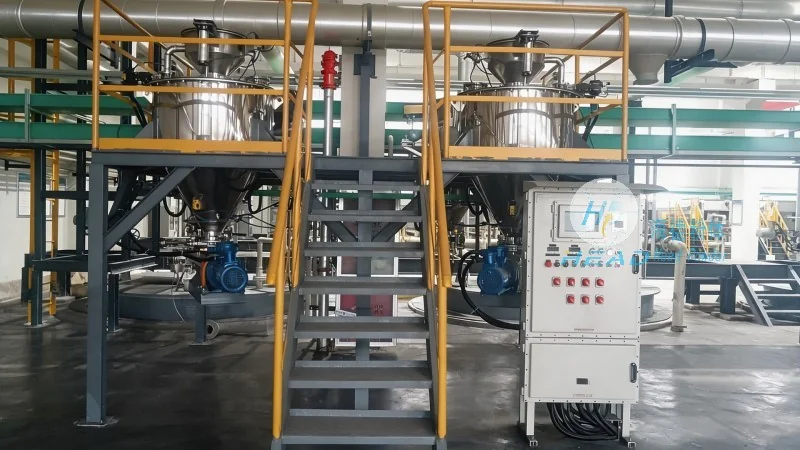
Core Components of a Pearl Sand Pneumatic Conveying System
A well-designed pearl sand pneumatic conveying system comprises several critical components that work together to facilitate material transport. The primary components include a material feed hopper, a conveying line (often equipped with a venturi or pressure vessel), a control valve, and a receiver or discharge unit. The feed hopper serves as the storage and metering device, ensuring a consistent flow of pearl sand into the system. The conveying line, which may be constructed from stainless steel or other corrosion-resistant materials, is where the air and sand mixture travels. The venturi or pressure vessel is a key component that helps to accelerate the material and maintain the necessary pressure for transport. The control valve regulates the air flow and material discharge, allowing for precise control over the conveying process. Finally, the receiver collects the conveyed sand at the destination point, often equipped with a discharge valve to control the release of material.
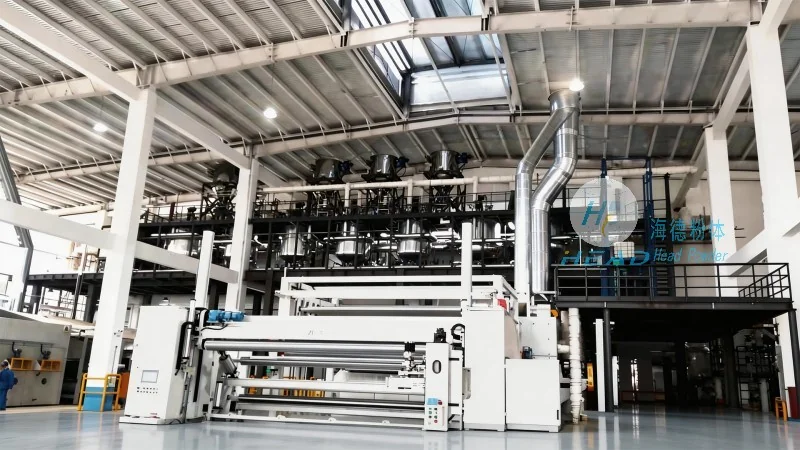
Design Principles for Optimal Performance
The design of a pearl sand pneumatic conveying system is guided by several key principles to ensure high efficiency, minimal material degradation, and low operational costs. The first principle is the adaptation of the system to the specific properties of pearl sand, including its particle size distribution, density, and moisture content. These characteristics determine the appropriate conveying method—whether dilute-phase (where the material is suspended in air at a low air-to-material ratio) or dense-phase (where the material is conveyed as a slurry with a higher air-to-material ratio). The system's design also considers the distance and elevation changes between the feed and discharge points, as these factors influence the required air pressure and power consumption. For example, longer distances or higher elevations may require higher air pressure to maintain the material's suspension. Additionally, the system must incorporate features to prevent material buildup or blockages, such as cyclones or filters, which help to maintain consistent performance and prevent system downtime. Finally, the design prioritizes energy efficiency and cost-effectiveness, ensuring that the system operates within the client's budget while meeting performance specifications.
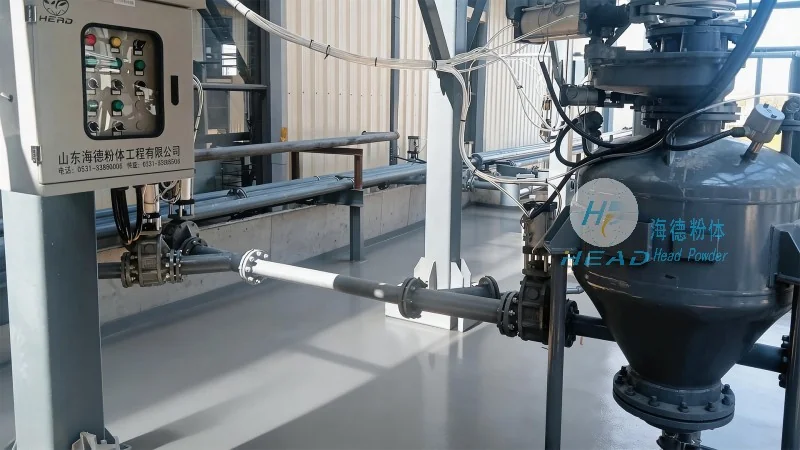
Customized Solutions by Shandong HeadPowder Engineering Co., Ltd.
At Shandong HeadPowder Engineering Co., Ltd., our team of experienced engineers applies these design principles to create customized pneumatic conveying solutions tailored to each client's unique requirements. We begin by working closely with customers to assess their specific needs, including the volume of pearl sand to be transported, the distance of the conveying line, and any environmental or operational constraints. Our engineers then design a system that optimizes material flow, minimizes energy consumption, and ensures the longevity of components. For instance, our systems may incorporate advanced control technologies, such as variable frequency drives, to adjust air pressure and flow in real-time, adapting to changes in material feed rates and maintaining consistent performance. We also use high-quality materials for the conveying line and components, such as 316L stainless steel or corrosion-resistant alloys, to withstand the abrasive nature of pearl sand and prevent degradation over time. Our commitment to quality and customer satisfaction ensures that each system we deliver meets or exceeds industry standards, providing reliable performance for years to come. With our headquarters in Shandong, China, we leverage local expertise and resources to deliver efficient and cost-effective solutions to clients worldwide.