

What Comprises Sesame Pneumatic Conveying Systems
Sesame pneumatic conveying systems are essential equipment in the processing and handling of sesame seeds. These systems efficiently transport sesame from one location to another using air as the conveying medium. Understanding the components of such systems is crucial for optimizing performance, ensuring reliability, and maintaining operational efficiency in sesame processing facilities.
Core Components of Sesame Pneumatic Conveying Systems
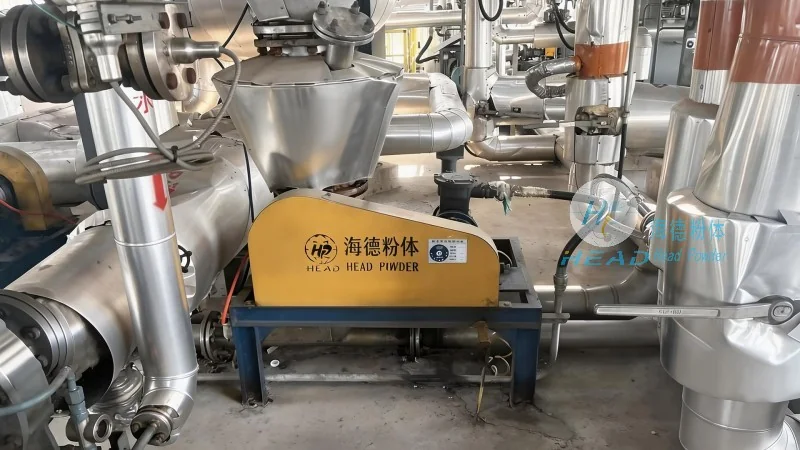
The headpowder, a leading manufacturer in the field, emphasizes that a typical sesame pneumatic conveying system consists of several key components that work in tandem to achieve seamless material transport. These components are designed to handle the unique characteristics of sesame seeds, such as their size, density, and moisture content, while minimizing product degradation and operational costs.
1. Conveying Hopper
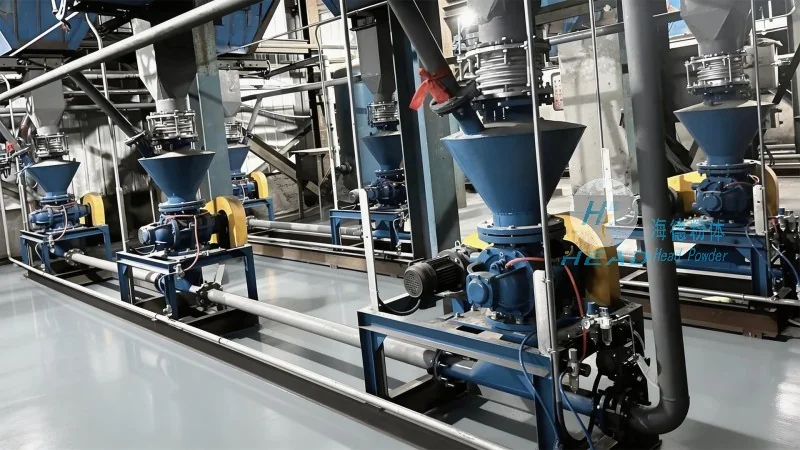
The conveying hopper is the initial component where sesame seeds are loaded. It is typically made of durable materials like stainless steel or high-grade plastic to withstand the abrasive nature of sesame seeds. The hopper is equipped with a feed mechanism, often a rotary valve or a screw feeder, which controls the flow of sesame into the system. This component ensures a consistent and controlled feed rate, preventing overloading and maintaining system stability.
2. Air Supply System
The air supply system is a critical part of the pneumatic conveying setup. It includes a blower or a positive displacement pump that generates the necessary air pressure and volume to move the sesame seeds through the system. The air supply is usually filtered to remove contaminants, ensuring that the air used for conveying is clean and free from particles that could affect the quality of the sesame or damage the system components. The system is also equipped with pressure regulators to maintain consistent air pressure, which is vital for reliable operation.
3. Conveying Line
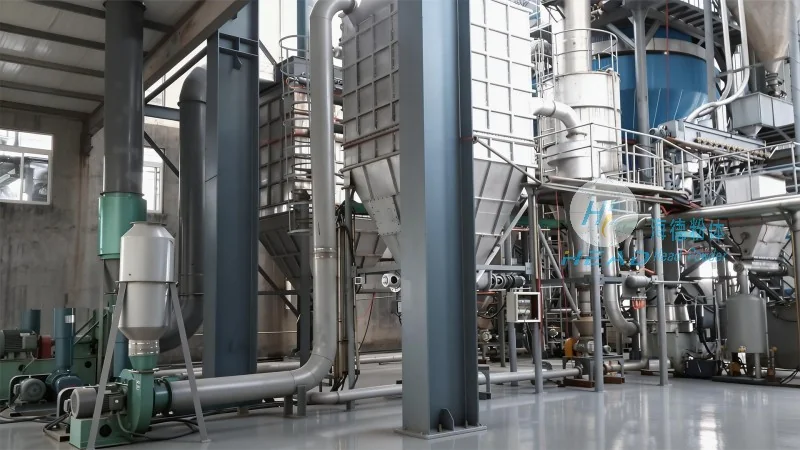
The conveying line, often made of flexible or rigid tubing, is where the sesame seeds are transported. Flexible hoses are commonly used for short to medium distances, while rigid pipes are preferred for longer distances or in applications requiring higher pressure. The line is designed to handle the air-seed mixture efficiently, minimizing pressure drops and ensuring that the material reaches its destination without clogging or loss of material. The material of the conveying line is chosen based on the properties of the sesame seeds and the operating conditions, such as temperature and pressure.
4. Separation and Collection Equipment
At the end of the conveying line, separation and collection equipment is used to separate the air from the sesame seeds and collect the product. This may include a cyclone separator, which uses centrifugal force to separate the heavier sesame seeds from the lighter air particles, or a bag filter for finer filtration. The collected sesame is then transferred to a storage bin or a processing unit. This component is essential for maintaining product purity and preventing dust or air from being released into the environment.
5. Control and Monitoring Systems
Modern sesame pneumatic conveying systems are equipped with control and monitoring systems to ensure optimal performance and safety. These systems include sensors that monitor air pressure, flow rate, and temperature, providing real-time data to operators. The control panel allows for adjustments to be made quickly, such as changing the feed rate or adjusting the air pressure, to respond to changes in production or system conditions. Additionally, safety features like pressure relief valves and emergency shut-off switches are integrated to prevent accidents and protect personnel and equipment.
6. Cleaning and Maintenance Components
To ensure the longevity and efficiency of the system, cleaning and maintenance components are included. These may include cleaning ports, which allow for the removal of accumulated material or debris from the conveying line or hopper. Regular maintenance is crucial to prevent clogging and maintain the performance of the system. The headpowder company recommends regular inspections and cleaning to extend the life of the equipment and reduce downtime.
Conclusion
In summary, a sesame pneumatic conveying system by Shandong HeadPowder Engineering Co., Ltd. comprises several key components that work together to efficiently transport sesame seeds. From the conveying hopper to the separation equipment, each component plays a vital role in ensuring the system operates reliably and efficiently. By understanding these components and their functions, sesame processing facilities can optimize their operations, reduce costs, and maintain high product quality. The headpowder company specializes in designing and manufacturing these systems, providing customized solutions to meet the specific needs of their clients in the sesame processing industry.