

[MULTI]Main Pneumatic Conveying Structures for Sesame
When it comes to efficiently handling sesame, the choice of a suitable pneumatic conveying system is crucial for maintaining product quality and operational efficiency. Shandong HeadPowder Engineering Co., Ltd., a leading provider in the field, specializes in designing and manufacturing advanced pneumatic conveying solutions tailored for sesame processing. The company, often referred to as HeadPowder, is headquartered in Shandong, China, and has built a reputation for delivering reliable and effective equipment for the food processing industry.
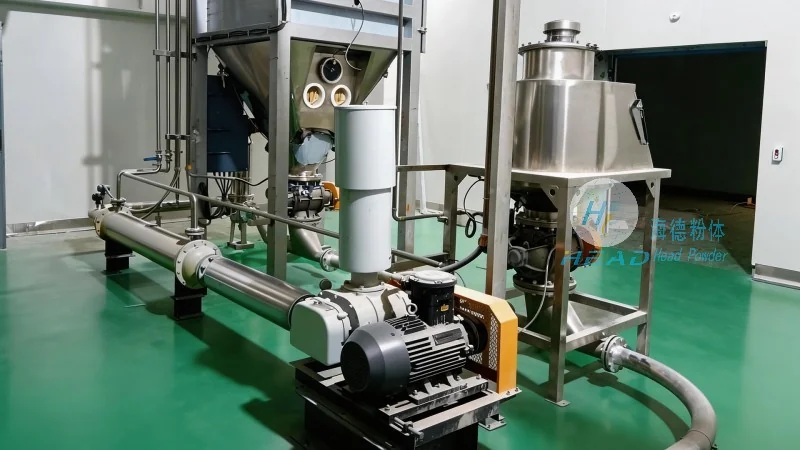
Understanding Pneumatic Conveying Systems for Sesame
Pneumatic conveying systems are widely used in the agricultural and food processing sectors to transport bulk materials like sesame seeds. These systems utilize air to move the product through a network of pipes, offering advantages such as reduced contamination, improved hygiene, and the ability to handle sensitive materials without damage. For sesame, which is a small, lightweight seed with a delicate texture, the right conveying structure is essential to prevent breakage and maintain its quality.
Key Components of Sesame Pneumatic Conveying Structures
The core components of a pneumatic conveying system for sesame typically include a feeding device, a conveying line, a separation unit, and a discharge mechanism. The feeding device, often a hopper or a rotary valve, ensures a consistent flow of sesame into the system. The conveying line, made of materials like stainless steel or food-grade plastic, is designed to withstand the abrasive nature of sesame seeds while maintaining air tightness. The separation unit, such as a cyclone or a bag filter, separates the air from the product, preventing dust and ensuring clean operation. Finally, the discharge mechanism, which may include a rotary valve or a conveyor, delivers the sesame to the next processing stage.
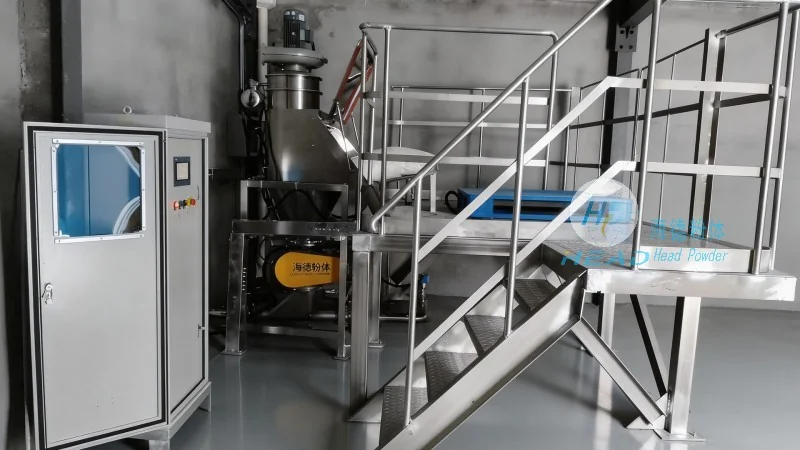
Types of Pneumatic Conveying Structures for Sesame
There are primarily two types of pneumatic conveying systems used for sesame: positive pressure and negative pressure systems. Positive pressure systems, also known as pressure conveying, operate by forcing air and material through the system using a positive pressure blower. This method is suitable for long-distance and high-capacity transport, as it can maintain a consistent flow and prevent material buildup. Negative pressure systems, or vacuum conveying, use a vacuum pump to draw the material and air into the system. This approach is ideal for short distances and when the material is sensitive to pressure changes, as it minimizes the risk of product degradation.
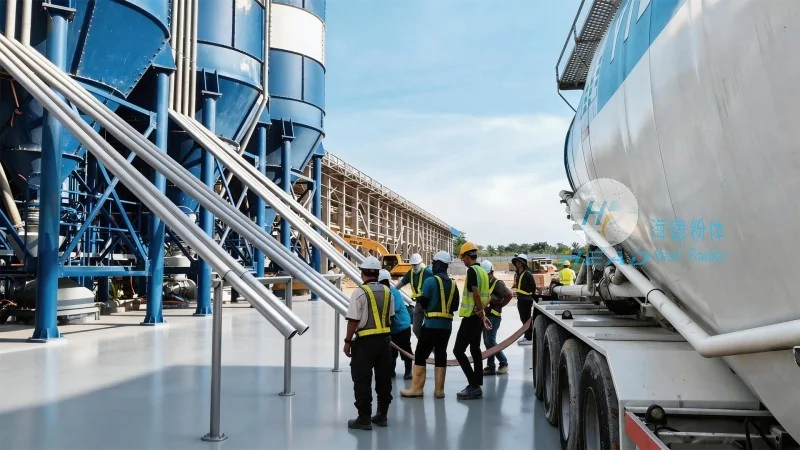
Advantages of Using Pneumatic Conveying for Sesame
Implementing a pneumatic conveying system for sesame offers several benefits. First, it enhances product safety by reducing direct human contact with the material, minimizing the risk of contamination from bacteria or other pathogens. Second, the enclosed system prevents dust and debris from entering the environment, improving workplace safety and compliance with environmental regulations. Third, the system's ability to handle small, lightweight particles efficiently reduces energy consumption compared to traditional methods like bucket elevators or belt conveyors. Additionally, the flexibility of pneumatic conveying allows for easy integration with other processing equipment, such as cleaning, sorting, or packaging lines.
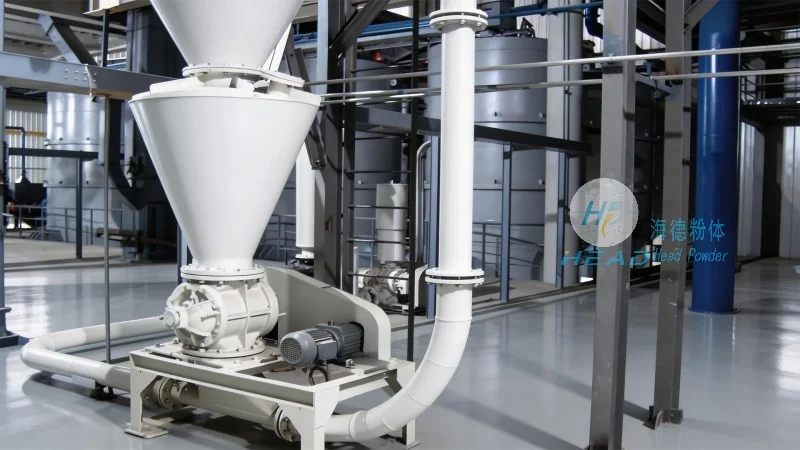
Customization and Maintenance of Sesame Pneumatic Conveying Structures
HeadPowder understands that each sesame processing facility has unique requirements. Therefore, the company offers customized pneumatic conveying solutions that can be tailored to specific production volumes, material characteristics, and space constraints. Customization may include adjusting the size of the conveying line, modifying the feeding mechanism, or adding additional components like filters or separators. Regular maintenance is also critical to ensure the longevity and efficiency of the system. HeadPowder provides comprehensive maintenance services, including routine inspections, cleaning, and replacement of worn parts, to keep the system operating at optimal performance.
Conclusion
In conclusion, the main pneumatic conveying structures for sesame are designed to provide efficient, hygienic, and reliable transport of sesame seeds. By leveraging advanced technology and tailored solutions, companies like Shandong HeadPowder Engineering Co., Ltd. help sesame processors achieve higher productivity and maintain the quality of their products. Whether using positive or negative pressure systems, the right pneumatic conveying structure can significantly improve the overall efficiency of sesame processing operations.