

[MATIN CARBON PNEUMATIC CONVEYING STRUCTURES: WHAT ARE THEY?]
Carbon pneumatic conveying systems are critical in industrial applications for transporting carbon-based materials efficiently and safely. Understanding the main structures of these systems is essential for selecting the right equipment for specific operational needs. This article explores the primary carbon pneumatic conveying structures, focusing on their design, functionality, and applications.
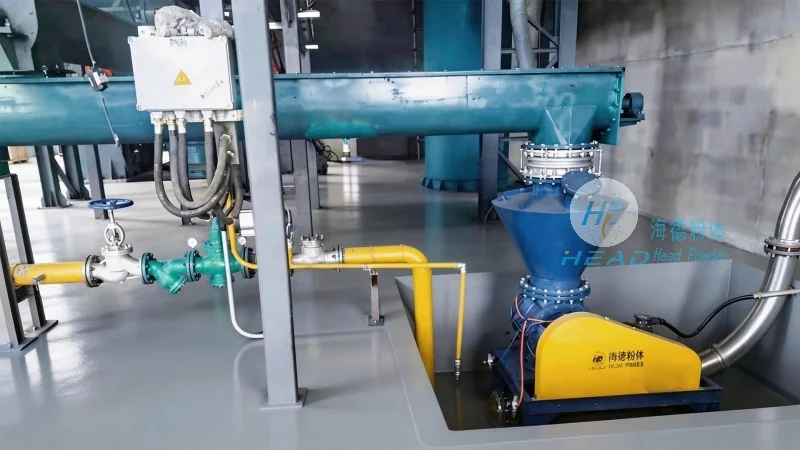
1. Dilute Phase Pneumatic Conveying Systems
Dilute phase systems are widely used for transporting carbon materials over medium to long distances. These systems operate by introducing air or gas at high velocity into the material stream, creating a dilute mixture of particles and gas. The key components include a feed hopper, a rotary airlock valve, a conveying pipeline, and a receiver. The air velocity in dilute phase systems is typically high, ensuring that particles remain suspended and are transported efficiently. This method is suitable for fine carbon powders and granules, such as carbon black or activated carbon, where minimal particle degradation is required. The system's design emphasizes low pressure and high air flow rates, making it ideal for applications where material handling is continuous and the distance is significant.
2. Dense Phase Pneumatic Conveying Systems
Dense phase systems, also known as low-pressure or pressure-pneumatic systems, are designed for transporting carbon materials with higher particle concentrations. Unlike dilute phase systems, dense phase systems operate at lower air velocities and higher pressure, which allows for the formation of a dense mixture of particles and gas. This approach is particularly useful for handling abrasive or sensitive carbon materials, as it reduces particle attrition and maintains product integrity. The system typically includes a positive displacement blower or compressor, a feed hopper with a metering device, and a conveying pipeline with pressure relief valves. Dense phase conveying is often employed for short to medium distances and for materials that are prone to caking or agglomeration. The method ensures a more controlled and stable flow, making it suitable for applications where material quality is paramount.
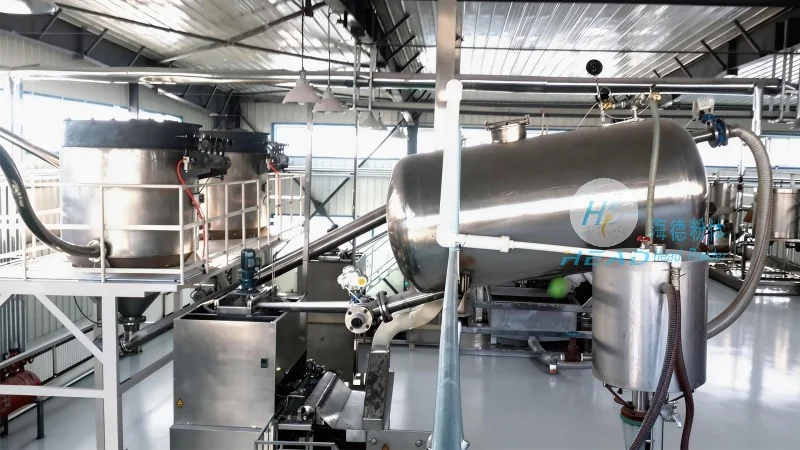
3. Vacuum Pneumatic Conveying Systems
Vacuum pneumatic conveying systems use a vacuum to draw carbon materials from a source into a receiver. These systems are ideal for applications where the material needs to be transported from a lower elevation or where the material is generated in a confined space. The system consists of a vacuum pump, a conveying pipeline, and a receiver. The vacuum is created by the pump, which pulls air and material particles through the pipeline. This method is commonly used for handling carbon powders and granules in industries such as pharmaceuticals, food processing, and chemical manufacturing. Vacuum conveying is advantageous because it allows for gentle material handling, reduces dust emissions, and can be integrated with existing facilities without major modifications. The system's design focuses on maintaining a consistent vacuum level to ensure reliable material transport.
4. Hybrid Pneumatic Conveying Systems
Hybrid systems combine elements of both dilute and dense phase pneumatic conveying to offer flexibility and efficiency for various carbon material applications. These systems may use a combination of vacuum and pressure to transport materials over different distances or through complex layouts. The design of hybrid systems allows for the adjustment of air flow and pressure to optimize material handling. For example, a hybrid system might use vacuum to draw materials from a hopper and then switch to pressure to convey them to a receiver over a longer distance. This approach is beneficial for applications where the material handling requirements vary, such as in batch processing or where the system needs to handle different types of carbon materials. Hybrid systems are often more complex and require careful engineering to ensure proper operation, but they provide a versatile solution for challenging material transport scenarios.
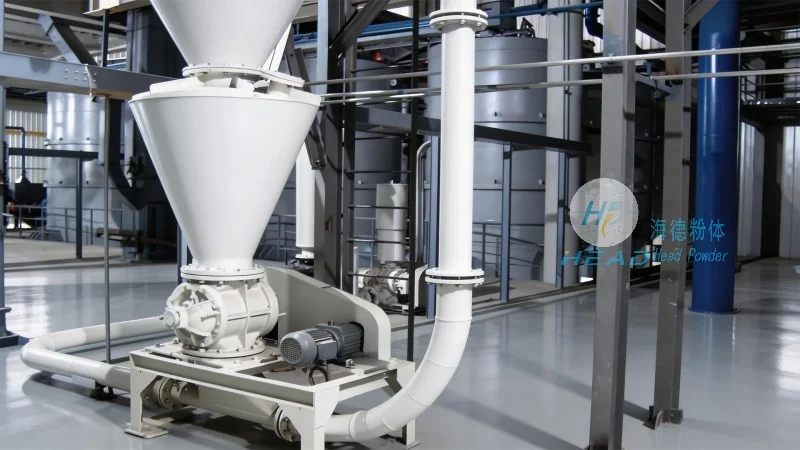
5. Specialized Carbon Pneumatic Conveying Structures
Specialized structures are tailored for specific carbon material characteristics or operational conditions. For instance, systems designed for handling carbon fibers or high-density carbon granules may incorporate additional components such as agitators or special valves to prevent material buildup and ensure smooth transport. Another specialized structure is the vertical pneumatic conveyor, which is used for transporting carbon materials vertically, often in applications where space is limited. These systems may use a combination of pressure and vacuum to move materials upward, ensuring efficient and reliable operation. Specialized structures are crucial for industries that require precise control over material transport, such as in the production of carbon-based composites or in pharmaceutical manufacturing where material purity is critical.
Each of these carbon pneumatic conveying structures has its unique advantages and is selected based on factors such as material properties, distance, and operational requirements. Understanding the differences between these systems helps in choosing the most appropriate equipment for industrial applications. As a leading provider in the field, Shandong HeadPowder Engineering Co., Ltd. specializes in designing and manufacturing custom pneumatic conveying solutions tailored to the specific needs of clients. With a focus on efficiency, reliability, and product integrity, HeadPowder offers a range of systems that meet the demands of various carbon material handling applications.