

Working Principle and Characteristics of Pneumatic Conveying for Wood Fiber Powders
Wood fiber powders are widely used in various industrial applications, and efficient material handling is crucial for their processing. Pneumatic conveying is a key technology for transporting wood fiber powders, offering advantages in terms of safety, flexibility, and environmental friendliness. This article explores the working principle and key characteristics of pneumatic conveying systems specifically designed for wood fiber powders.
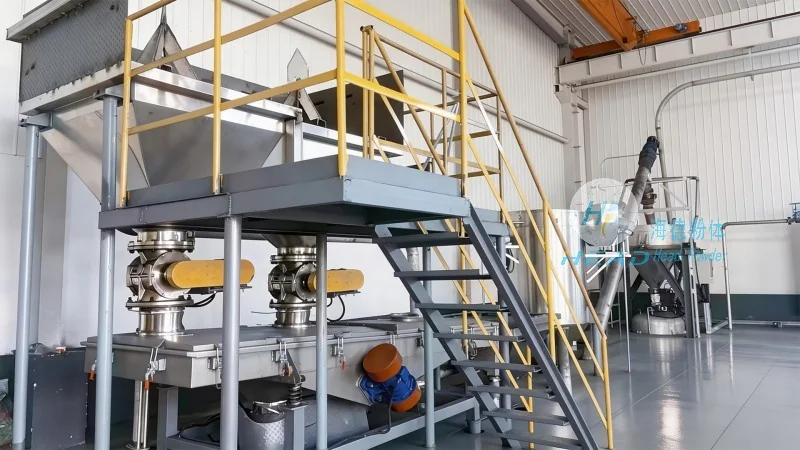
Working Principle of Pneumatic Conveying for Wood Fiber Powders
Pneumatic conveying operates by using a fluid, typically air or gas, to transport solid particles through a pipeline. In the case of wood fiber powders, the system involves several core components that work in tandem to achieve material transport. The process begins with the feeding of wood fiber powder into a hopper or feeder, which then delivers the material into the conveying line. A blower or compressor generates the necessary air pressure, creating a flow that propels the wood fiber particles through the pipeline. The velocity of the air and the particle size distribution are critical factors that determine the efficiency of the conveying process. The system may include features such as cyclone separators or filters to separate the wood fiber powder from the air stream, ensuring that the material is collected at the destination without loss or contamination.
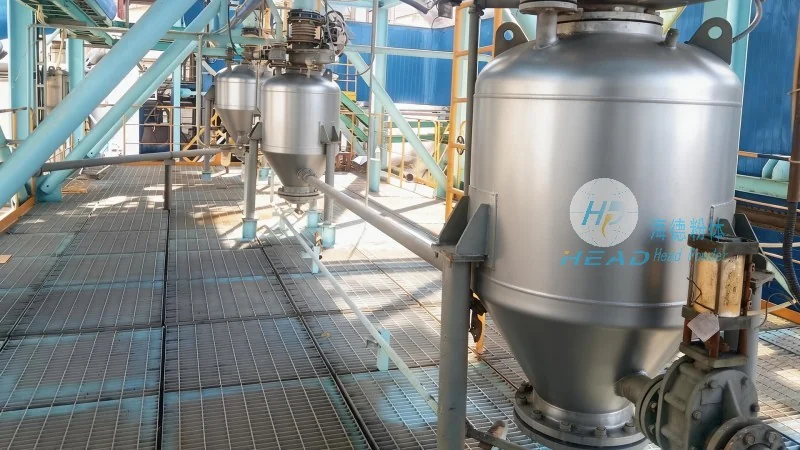
Key Characteristics of Pneumatic Conveying Systems for Wood Fiber Powders
Several distinct characteristics make pneumatic conveying an ideal choice for handling wood fiber powders. Firstly, the system is highly flexible, allowing for the transport of materials over long distances and through complex layouts without the need for extensive mechanical components. This flexibility is particularly beneficial in industrial settings where space constraints or layout changes are common. Secondly, pneumatic conveying is a clean and dust-free method, which is essential for maintaining product quality and ensuring a safe working environment. Unlike mechanical systems that may generate dust or cause contamination, pneumatic conveying keeps the wood fiber powder contained within the pipeline, reducing the risk of exposure to airborne particles. Thirdly, the technology offers high efficiency in terms of material transport, with the ability to handle a wide range of particle sizes and flow rates. This adaptability makes it suitable for various applications, from small-scale laboratory operations to large-scale industrial production lines. Additionally, pneumatic conveying systems are relatively low maintenance compared to other material handling methods, as they have fewer moving parts and are less prone to wear and tear. The use of air as the conveying medium also reduces the risk of material degradation, as the particles are not subjected to mechanical stress or friction that could affect their properties.
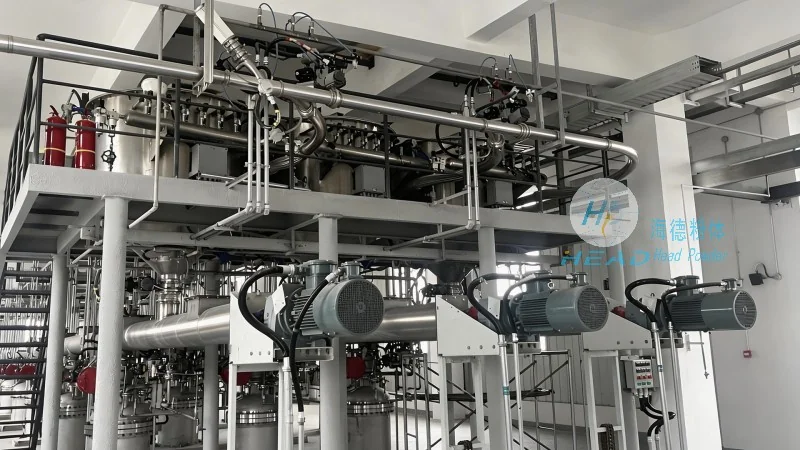
Applications and Benefits in Industrial Settings
The application of pneumatic conveying for wood fiber powders has become increasingly prevalent in industries such as paper manufacturing, composite materials production, and biofuel processing. In paper mills, for example, wood fiber powders are used as raw materials, and pneumatic conveying systems efficiently transport these materials from storage to processing units. This reduces the need for manual handling and minimizes the risk of dust-related health issues among workers. In composite material production, the precise control of wood fiber powder flow is critical for achieving uniform product quality. Pneumatic conveying systems provide the necessary accuracy and consistency, ensuring that the final composite products meet the required specifications. Similarly, in biofuel production, the efficient transport of wood fiber powders is essential for optimizing the production process and maximizing yield. The benefits of using pneumatic conveying extend beyond just material transport; it also contributes to overall operational efficiency and cost reduction in industrial settings.
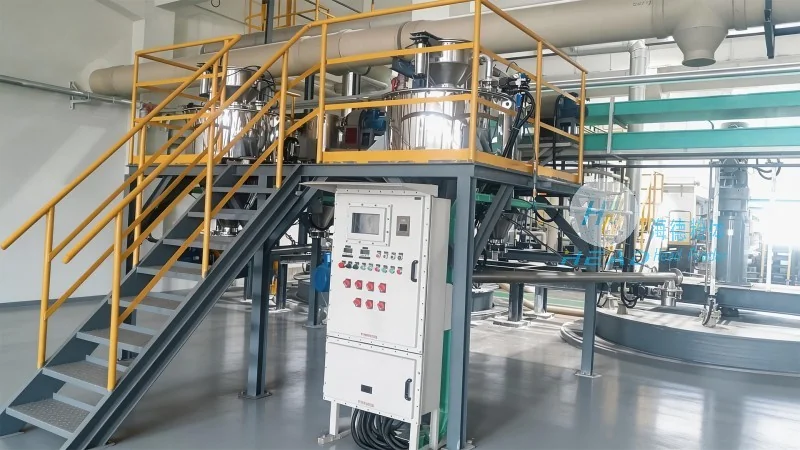
Conclusion
Pneumatic conveying is a reliable and effective method for handling wood fiber powders, combining efficiency, flexibility, and safety. The working principle, which relies on air pressure to transport solid particles, is well-suited for the unique properties of wood fiber powders, including their lightweight and fine particle size. The key characteristics of these systems, such as their ability to handle complex layouts, maintain product cleanliness, and offer low maintenance, make them a preferred choice for industrial applications. As the demand for wood fiber powders continues to grow in various industries, the adoption of advanced pneumatic conveying technologies will remain crucial for optimizing material handling processes and ensuring sustainable production practices. Shandong HeadPowder Engineering Co., Ltd., a leading provider in this field, specializes in designing and manufacturing customized pneumatic conveying systems tailored to the specific needs of wood fiber powder applications, ensuring optimal performance and reliability for their clients.